Should You Put PPF Under Your Colour Change Wrap?
Published
Two layers, two different jobs
A colour change wrap and paint protection film are usually discussed as alternatives. One is cosmetic, one is protective, and the usual advice is to pick the one that matches your goal. But there is a third arrangement that a growing number of Vancouver owners end up with, and it is worth understanding properly before you book it: a wrap on top, and paint protection film underneath it.
The reason this comes up is that a colour change film is not an engineering product. It is a thin decorative layer that gives you the colour and the reversibility, and it does a reasonable job against light scratches and incidental marks. It is not built to absorb a gravel impact from Highway 1, and it is not built to take the kind of hit that a Vancouver winter's worth of road salt and aggregate throws at a car. Paint protection film is built for exactly that, and it is applied directly to the paint, so it has to go on first.
So the stack runs in one direction only: film bonded to the factory paint, colour layer bonded over the top of that. The order is not a preference to be negotiated at the shop. It is the only sequence that physically works.
What the second layer actually buys you
The honest way to think about this is that you are buying protection for the paint that a wrap would otherwise sit on directly. That paint is the thing you cannot replace cheaply and the thing that determines what the car is worth when you sell it. A wrap preserves it in the sense that it covers it, but film under the wrap means the paint is shielded by a sacrificial layer before it is shielded by a decorative one.
This is where the placement of the protection matters more than whether you have it at all. The panels that take the most punishment on a Vancouver car are the ones that face forward and take the road: the front bumper, the hood, the leading edge of the front fenders, and the area around the mirrors. If the film is going under the wrap, that is where the coverage should be concentrated.
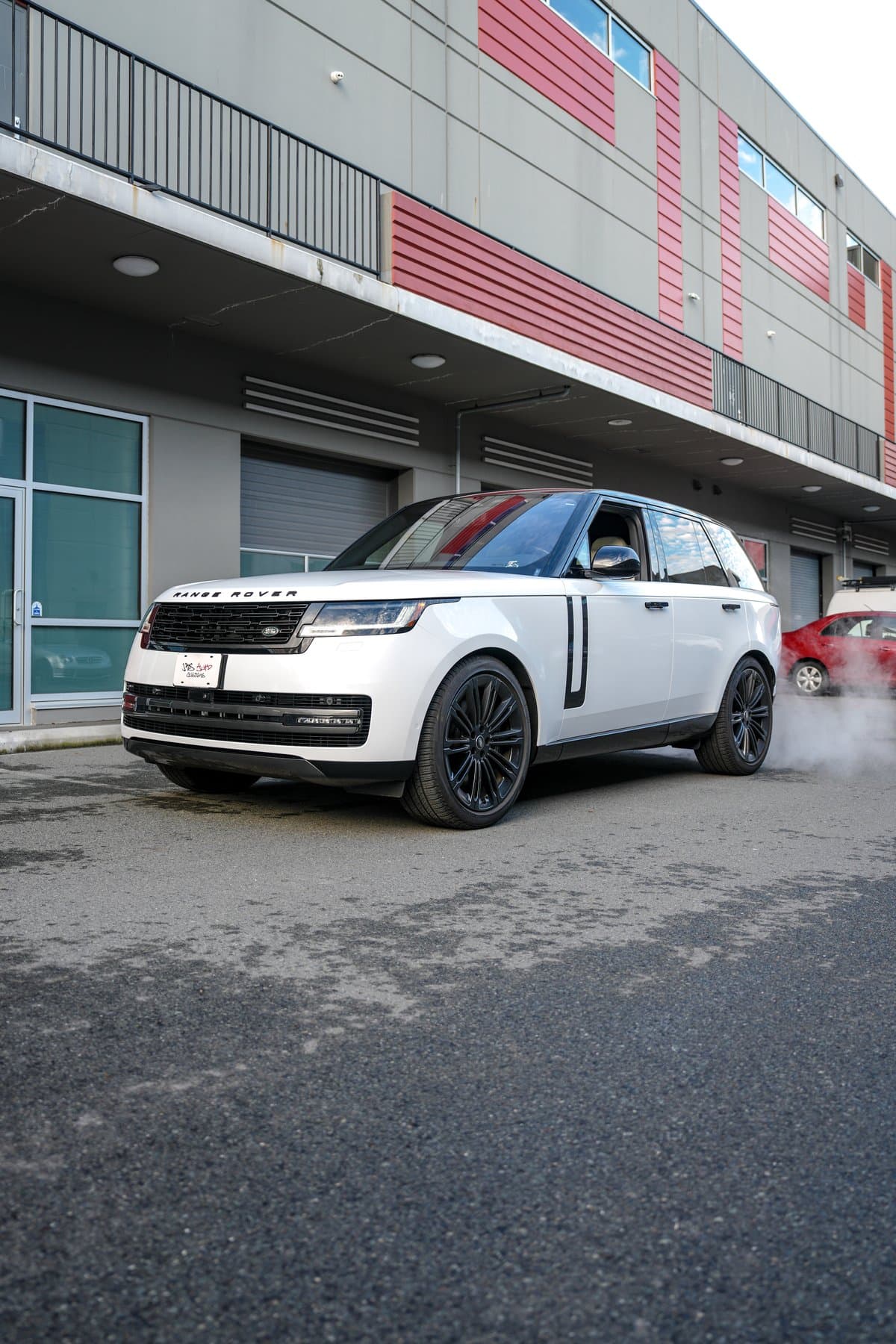
The Range Rover in our portfolio is a useful reference for how this is done in practice. The car was finished in pearl white wrap, and the paint protection film was applied to the high-impact zones underneath it rather than across the whole body. That is a deliberate decision, and it reflects how the two layers are usually combined.
What it costs you in practice
Stacking two films is not free, and it is worth being straight about the trade-offs before you commit. The first is labour. Applying protection film, then a colour layer over it, means two full preparation and installation cycles on the same panel, and the second layer has to be worked around the edges and contours of the first. That is more time in the shop than either job alone.
The second is the removal question, and it matters more than most people expect at the time of booking. When you eventually want the original colour back, the outer colour layer comes off first, and the protective film beneath it stays on. That is the correct outcome, because the film was there to preserve the paint. But it means removing the wrap does not return the car to a bare-painted state, and you should understand that before you decide the colour is the one you want to keep.
The third is that a stone chip that would have been absorbed by the protective layer can still be visible through the colour layer, because the colour sits on top. The film has done its job, but the mark is not hidden from view. Owners who expect the wrap to conceal damage should know that the protection underneath prevents the damage rather than the appearance of it.
Is it the right choice for your car?
This arrangement makes the most sense for a car that is being wrapped in the first place, where the wrap is a long-term decision rather than a temporary experiment. If you are choosing a colour you want to keep for years, protecting the paint beneath it is a sensible additional layer that costs less than a full paint correction later. It also suits a car that lives on the road in a climate where chips and salt are a fact of the winter rather than an occasional event.
It makes much less sense as an impulse addition. If the wrap is a few months old and you are not sure you will keep it, adding a layer beneath it now means paying to remove two films later rather than one, and the protection you paid for has been sitting under a decorative layer the whole time, taking the hits without showing them.
There is also a question of whether the film should be full-body or targeted, and the answer usually follows the car rather than the budget. A full-body application protects every panel and eventually every edge, including the ones you will never see a chip on. A targeted application to the high-impact zones is where the actual risk is concentrated, and on a Vancouver car that is where the return is clearest. Our paint protection film service covers the range of coverage options, and our colour change film service covers the finishes and packages available, including colour films built on a paint-protection base that do both jobs in one layer.
If you are still weighing it, the useful question is not really about the film at all. It is whether the colour you are choosing is the colour you want to be driving five years from now, because that is the scenario where protecting the paint underneath is genuinely worth doing. If the answer is not clear, a colour change on its own is a perfectly reasonable place to start.
Related project: Range Rover — Pearl White