
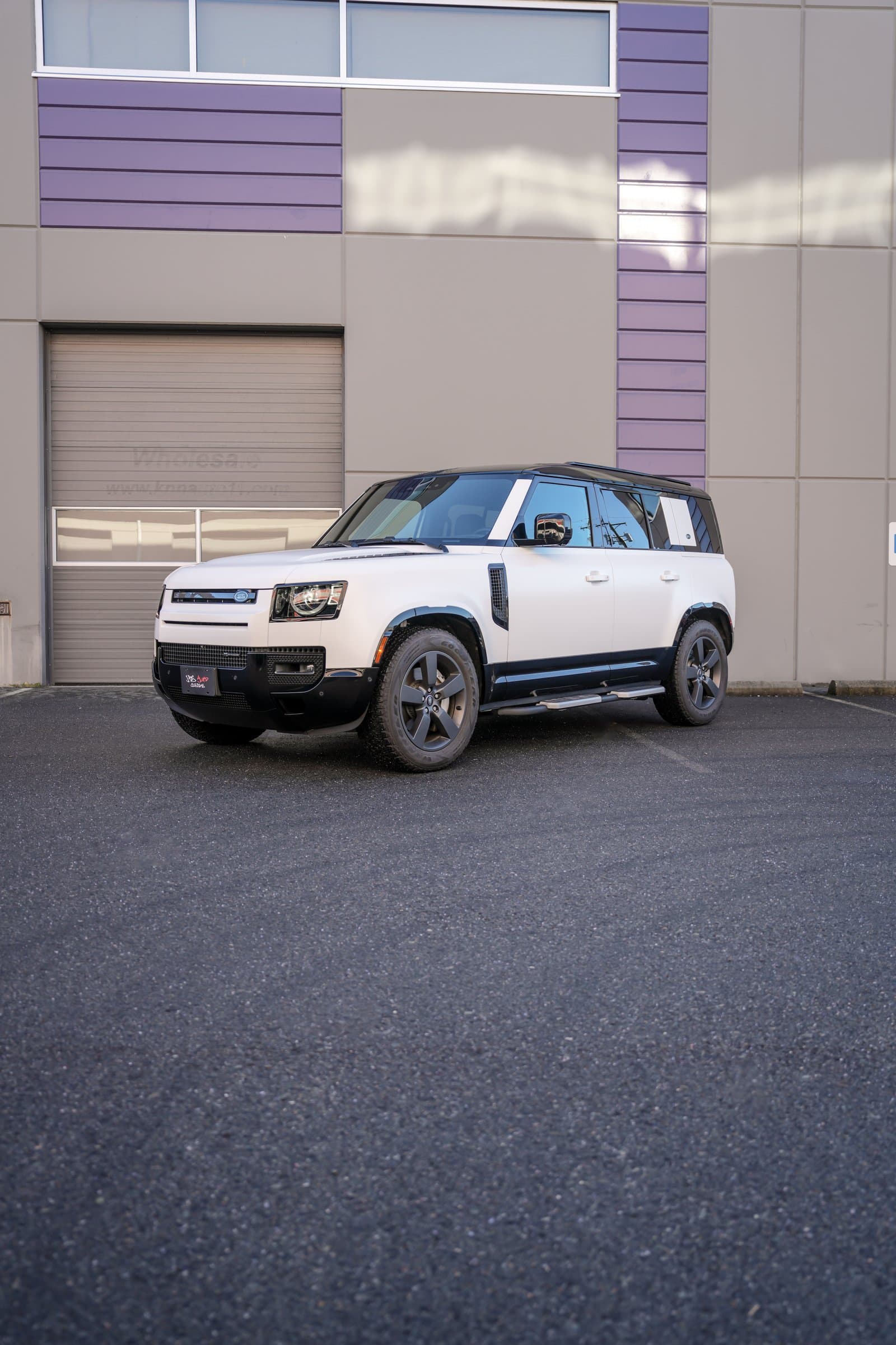
All-Season vs Summer Tyres: Is Either Right for Vancouver
Published
Vancouver sits in a climate that is genuinely unusual by Canadian standards. The city does not get the prolonged deep freezes that much of the rest of Canada deals with through the winter. Average January temperatures hover around 4 to 7 degrees Celsius. Snow comes intermittently, often melts within days, and is rarely accompanied by the sustained sub-zero conditions that define winter driving in Toronto, Montreal, or Calgary. This climate creates a question that genuinely does not have the same answer here as it does elsewhere in Canada: should you run all-season tyres or summer tyres?
How All-Season Tyres Work and Where They Fall Short
All-season tyres are designed as a compromise across a broad temperature range. Their rubber compound stays flexible at temperatures above roughly 7 degrees Celsius, which is the threshold where summer tyres begin to lose grip. Below that threshold, summer tyres harden and lose traction. All-season tyres address this by using a compound that stays softer at lower temperatures than summer rubber, while still offering reasonable dry and wet road performance.
The compromise in all-season tyres is grip. They are not as good as summer tyres in warm dry conditions, and they are not as good as dedicated winter tyres in cold conditions with snow and ice. For Vancouver's winters, where the temperature frequently sits right around that 7-degree threshold and where the roads are more often wet than snowy, the question is whether the all-season compromise makes more sense than the summer tyre option for your specific driving pattern.
What Vancouver Actually Demands from Tyres
The most demanding tyre conditions in Vancouver are not snow and ice -- they are wet roads and cool temperatures. Rain on city streets, on Highway 1, and on the North Shore roads means wet grip is genuinely important for most of the year. All-season tyres generally offer good wet road performance. Summer tyres, while excellent in warm wet conditions, lose some of their wet grip advantage as temperatures drop into single digits.
When Vancouver does get snow -- and it does, particularly in North Vancouver and on the mountain passes -- the question becomes about traction rather than outright grip. Dedicated winter tyres with the three-peak mountain snowflake symbol provide meaningfully better traction in snow and ice than all-season tyres. The M+S marking alone on an all-season tyre does not indicate the same level of winter performance. If you regularly drive in conditions where there is snow on the road, particularly on steeper terrain, a winter tyre is a meaningful safety upgrade regardless of the mild average temperatures.
The Case for Summer Tyres in Vancouver
If you drive a performance car or a car that prioritises handling, summer tyres offer a clear advantage in the warm months. In dry conditions above 15 degrees Celsius, a quality summer tyre offers substantially more grip than any all-season equivalent. For a sports car, a track-day car, or any vehicle where you want maximum traction and handling precision, summer tyres are the clear choice for the months when temperatures support them.
The practical question for Vancouver is how many months of the year the temperature supports summer tyre performance. The threshold is roughly 10 degrees Celsius ambient. In Vancouver, that leaves roughly May through October -- about six months -- where a summer tyre is working as intended. The remaining six months, temperatures often sit in the range where an all-season or winter tyre is the more appropriate choice.
The Realistic Answer for Most Vancouver Drivers
For the majority of drivers in Vancouver -- commuting in the city, driving Highway 1 to the suburbs, navigating the North Shore roads -- a quality all-season tyre is the most practical year-round choice. It handles the mild winters adequately, manages wet roads well, and does not require seasonal tyre swaps. The key qualifier is quality: not all all-season tyres are the same. A performance-rated all-season tyre with a high speed rating will handle better and last longer than a budget touring all-season.
If you drive a performance car and want maximum handling in the warm months, running a set of summer tyres from approximately May through October and switching to a quality all-season or winter tyre for the cooler months is the most complete approach. This means owning two sets of tyres and budgeting for the seasonal swap, which adds cost and complexity. Whether that trade-off is worth it depends on how much of your driving actually happens in conditions where the summer tyre advantage is meaningful.
Tyre Decisions Specific to Vancouver's Terrain
If you regularly drive on steeper roads -- the mountain passes, the North Shore roads, steeper residential streets in areas like Burnaby Mountain or West Vancouver -- the tyre decision has a safety dimension beyond handling. In these conditions, the traction advantage of a dedicated winter tyre in cold and snow is more meaningful than on flat city streets. For drivers who regularly navigate this terrain, a winter tyre for the cooler months is worth the seasonal swap even if an all-season tyre is adequate for city driving.
We can help you think through the right tyre choice for your specific vehicle and driving pattern at JRS Auto Customs in Vancouver. Tyre selection is one of the most consequential decisions for both safety and driving enjoyment -- worth getting right. Browse our tyre service options to see what we offer.
Related project: Land Rover Defender Matte White PPF