
Getting Your Car Ready for BC's Fall Season: A Checklist
Published
BC's fall weather is deceptive. The temperature is still mild, the skies look manageable — but what that mild, damp air is doing to your paint, seals, and undercarriage is already starting to show. Before the heavy rain arrives and temperatures drop, this is the moment Vancouver drivers should be thinking about what's coming and what their car actually needs.
Why Fall Is the Right Time to Protect Your Car in BC
Vancouver's fall sits between two very different seasons. There's still enough dry weather to do work on the car — washing, correcting paint, applying protection — but the moisture is already building. Leaves collect in drains. Morning condensation sits on paint. Road grime from late-summer construction sits on rocker panels and doesn't wash away on its own. The decisions you make in the next few weeks determine how your car enters winter.
Get PPF Applied Before the Wet Season Hits
Paint protection film is at its most useful when applied before winter, not after the damage is already done. Rock chips from highway driving, salt spray off the road, gravel kicked up on rainy mornings — all of it hits the front of your car harder once the weather turns. Getting PPF applied in fall means the film is in place and settled before the worst season for your paint starts. At JRS Auto Customs, PPF installations are available at four coverage levels depending on how much of the car you want to protect.
If you're deciding between a front-end package and full-body coverage, consider how you use the car. Daily highway commuters benefit most from the full-front Premium package — every panel that faces oncoming traffic and road debris is covered. Weekend and sports car owners who want the car looking perfect for spring often go Ultimate from the start, protecting the whole vehicle against the full BC winter rather than just the leading edge.
Book Paint Correction Before the Rain Settles In
Paint correction removes the accumulated damage — swirl marks from washing, light oxidation from UV exposure, etching from water spots — that makes your clearcoat vulnerable. Once the car goes into winter with a compromised clearcoat, moisture gets into those micro-scratches and the damage spreads faster. Correction done in fall restores the surface while the weather still allows the car to sit out and cure properly after polishing. Spring is the other window, but fall correction means you enter winter on the right foot rather than playing catch-up when the roads are wet and the car cannot sit outside for detailing work.
Clear Your Roof Drains and Sunroof Channels
This one is easy to forget and causes real damage if missed. SUV and hatchback roof drains clog with leaves and debris through October. A blocked roof drain means water pools in the seal, works its way past the weatherstripping, and ends up in the interior or the footwell. Sunroof channels are the same — once they're packed with debris, the water has nowhere to go except inside. JRS includes drain clearing as part of its full interior detail, where the car is taken apart enough to actually reach and flush those channels properly.
Swap Wiper Blades Before the Rain Gets Heavy
After a BC summer, wiper blades are usually hard and cracked from heat and UV exposure. They might be leaving light streaks that you're tolerating because the weather has been dry. Once the real rain starts, those streaks become a safety issue. Changing blades before fall is a five-minute job and costs almost nothing — but it makes a significant difference in wet-weather visibility. If your blades are more than a year old, replace them now.
Interior Leather: Condition Before the Damp Sets In
Leather conditioner works best when applied to clean, dry leather in mild, dry weather. BC winters are wet enough that leather does not fully dry out between rainy days — applying conditioner in late fall means it is fighting uphill against constant moisture. A fall conditioning session cleans the leather, treats it with conditioner, and puts a barrier down before the interior starts taking on damp air every morning. It is the same logic as treating wood: do it when the material is dry, not when it is already saturated.
Brakes, Tires, and the Transition to Winter Rubber
BC's fall is also the practical deadline for brake and tire checks. Inspect brake pad thickness now — you want enough material to get through winter without needing urgent work in January. On vehicles with upgraded brake setups, make sure the calipers, lines, and fluid are in good condition; carbon-ceramic brake setups especially need a visual inspection of rotor faces for any cracks that develop through thermal cycling. On tires, check tread depth and sidewall condition. If you are switching to winter-rated tires, October is the right window — before the first serious cold snap and before the tire shops get fully booked.
Book Your Fall Inspection Early
October is when detail shops get busy. Car owners who waited until December to think about paint protection, correction, or interior treatment all arrive at the same time. Booking in early fall means you get the slot you want and the work gets done in the dry weather that allows it. JRS Auto Customs in Vancouver has been working on BC vehicles since 2010 and handles PPF, ceramic coating, colour change wraps, and full detailing. Book a fall inspection before the shop fills up.
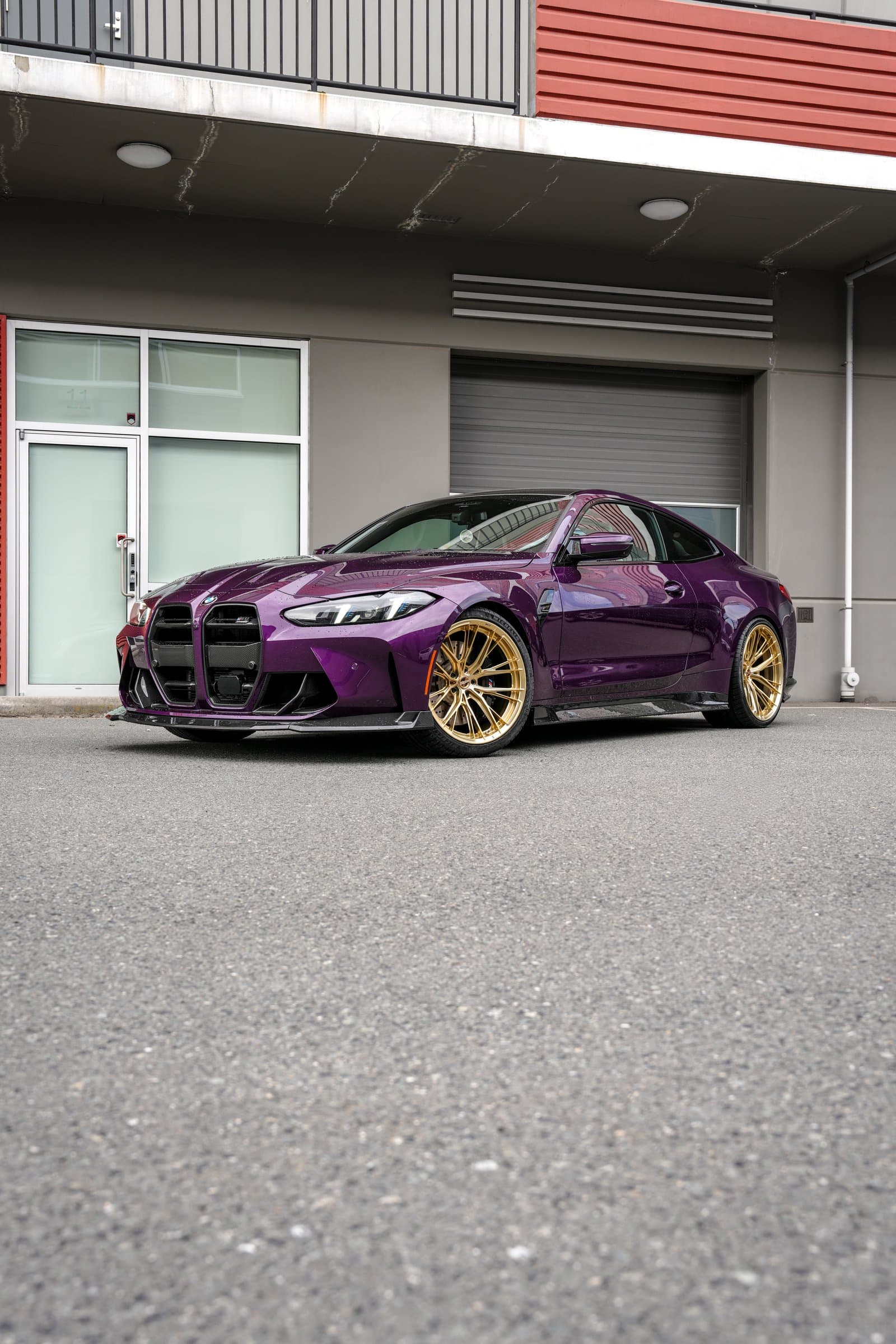
Related project: BMW M4 — Forgelite Wheels + RZ Aero Kit