BC Inspection and Your Modified Vehicle in Vancouver
Published
In British Columbia, most passenger vehicles require a periodic inspection before they can be registered, transferred, or re-registered. For drivers who have modified their vehicles — with a performance exhaust, an aero kit, upgraded wheels, or any combination of these — the inspection process raises specific questions that stock vehicles do not face. Understanding what the inspection covers, what it flags, and what can be done about flagged items makes the difference between a clean pass and a list of required repairs before the vehicle can be registered.
What BC Inspection Actually Checks
BC vehicle inspection under the National Safety Mark programme covers the vehicle systems that affect safety and environmental compliance. The inspection is visual, functional, and measurement-based, conducted by licensed inspection facilities. For modified vehicles, the key areas of scrutiny are the exhaust system, lighting, bodywork modifications, and tyres and wheels. The inspection does not evaluate whether a modification improves or changes the performance of the vehicle — it evaluates whether the modification has created a safety or compliance issue.
A vehicle that fails inspection cannot be registered until the failed items are repaired and the vehicle passes a re-inspection. This applies to private sales, imports, and vehicles that have reached their inspection milestone. For modified vehicles, the most common failure areas are exhaust system modifications and wheel-tire combinations that affect safety parameters.
Performance Exhaust Systems and the Inspection
Exhaust modifications are the most common source of inspection failures on modified vehicles. The inspection checks for the presence and condition of the catalytic converter, the integrity of the exhaust system, and whether the exhaust has been modified in a way that removes or bypasses emissions equipment. A cat-back or axle-back system that retains the original catalytic converter(s) typically passes inspection without issue. A system that removes the catalytic converter — including test pipes or high-flow downpipes without a catalytic converter — will fail inspection because the vehicle no longer meets emissions standards.
The sound level of the exhaust is also assessed during inspection. Excessive noise above the regulated limit is a failure item. Most cat-back and axle-back systems from reputable brands are designed to remain within the noise limits, but some configurations — particularly those with no resonator or straight-through mufflers — can exceed the limit.
Aero Kits, Body Modifications, and Lighting
Aero kits and body modifications are assessed for their effect on vehicle safety systems and roadworthiness. A body kit that does not interfere with lighting, brake cooling, or the vehicle structural mounting points is generally acceptable. Front aero splitters that sit close to the ground and are likely to contact the road surface on kerbs or speed bumps will be flagged. Rear wings that obstruct the rear lighting or registration plate illumination will also fail.
Any modification that adds lighting — underbody lighting, additional driving lights, or interior lighting that is visible from the exterior — must meet the applicable standards for that type of lighting and must not cause glare or confusion for other road users. Aftermarket LED upgrades to headlights are assessed for beam pattern and aim, not just the fact that they are an upgrade.
Wheels, Tyres, and Safety Parameters
Aftermarket wheels and tyre combinations are one of the most frequently challenged areas at inspection. The inspection checks that the tyres match the vehicle load and speed rating, that the wheel-and-tyre combination does not cause the tyre to contact the bodywork or suspension components at any point in the vehicles range of suspension travel, and that the wheel studs and lug nuts are appropriate for the wheel being fitted. Wheels that require adapters or spacers need to be assessed for the safety of those components as well.
Offset changes that move the wheel outward enough to approach the fender lip or that require fender modification or trimming to clear the tyre will be flagged. Vehicles that have had their suspension lowered must demonstrate that the tyre does not contact the bodywork at any point under compression.
Getting Your Modified Vehicle Through Inspection
The practical approach for modified vehicle owners is to be aware of what the inspection covers before modifications are made, rather than discovering a compliance issue after the work is done. For exhaust systems, retaining the catalytic converters and using reputable brand systems that are known to remain within noise limits avoids most issues. For body kits, choosing a design that does not compromise lighting or sit dangerously close to the road surface prevents the most common failures. For wheels and tyres, using sizes that are within the vehicles tolerance for offset and clearance avoids tyre-contact issues.
If you are planning modifications to a vehicle that will need inspection, speaking with a shop that understands BC inspection requirements before work begins is the most cost-effective step. JRS Auto Customs works with modified vehicles regularly and can advise on what will and will not pass inspection before any work is committed to.
To see examples of performance and aero work that has been completed at JRS Auto Customs, including what a completed installation looks like on a modified vehicle, browse the performance work portfolio.
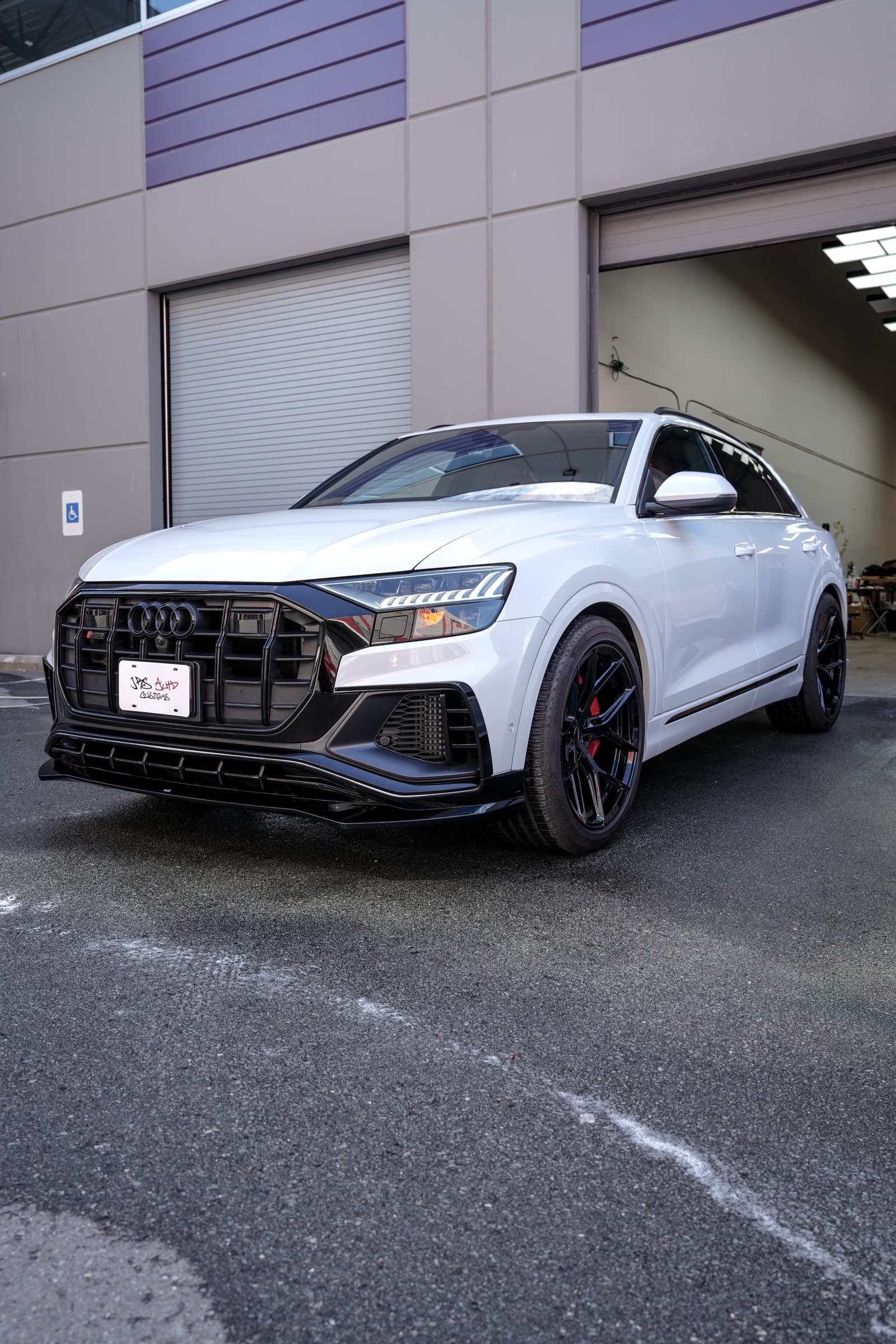
Related project: Audi SQ8 ABT Body Kit & Vossen HF5 Wheels