What a Body Kit Is and What to Consider Before Getting One
Published
Body kit is one of those terms that means different things to different people. To some it means a subtle lip spoiler and side skirt set. To others it means a wide-body transformation with aggressive flares, a new front bumper, and a rear diffuser. Both are body kits. The challenge for a car owner considering one is that the term covers a range of modifications with very different costs, complexity, and legal implications. Understanding the landscape is the first step.
What a Body Kit Actually Includes
A body kit is a collection of aerodynamic and cosmetic components that replace or augment the factory bodywork. The standard elements are a front bumper (also called a front lip or front splitters), side skirts or side diffusers, a rear bumper or rear valance, a rear spoiler or wing, and sometimes a boot lip spoiler or diffuser. Higher-end kits also include custom guards, canards, and vent deletions.
The term is sometimes used interchangeably with aero kit, but they are not quite the same thing. An aero kit prioritises aerodynamic function — downforce generation and airflow management. A body kit prioritises aesthetics, though the best ones achieve both. Some shops use the terms interchangeably; what matters is asking specifically what components are included in the kit you are looking at.
The Vancouver Context for Body Kits
Body kits sit low and close to the road. In Vancouver, that means they are in daily contact with speed bumps, steep driveways, and the uneven surfaces that are common on streets across the city. Before committing to a kit, it is worth considering your typical parking and driving environment. A body kit on a car that parks on the street in Kitsilano or Commercial Drive is under more physical stress than one in a garage in Kerrisdale.
If you are looking at a car that already has a body kit or are considering combining one with performance upgrades
, it is worth getting a professional assessment of how the kit interacts with the car's existing geometry.
Types of Body Kits
Lip Kit
The most common and accessible type. A lip kit adds subtle aero pieces — usually a front lip spoiler, side skirts, and a rear lip — that sit close to the factory bumper without replacing it. They are bolt-on or adhesive-mounted, relatively inexpensive, and add a noticeable visual upgrade without a full conversion. Lip kits are the entry point for most people adding their first aero component.
Full Kit with Bumper Replacement
A step up from a lip kit: the factory front or rear bumper is replaced entirely with a new piece. This allows for more dramatic design — deeper splitters, larger air intakes, more aggressive geometry. Bumper replacement requires proper fitment and sometimes modification to mounting points. It is a more involved installation than a bolt-on lip kit.
Wide-Body Kit
The most significant transformation. Wide-body kits add fender flares or extended panels that make the car significantly wider than stock, often covering the wheels for a flush or tucked fitment. This requires either rolling or stretching the existing fenders or replacing them entirely. Wide-body kits are expensive, require professional installation, and may affect the car's legal road width. They are typically chosen by owners committed to a specific visual direction.
Materials and Their Trade-offs
ABS Plastic
The most common material for body kit components. ABS is lightweight, relatively inexpensive, and can be moulded into complex shapes. It is not as rigid as other materials and can crack under impact, but it is easy to repair. Most OEM-style body kit components are ABS.
Fiberglass
Stronger and more rigid than ABS, and can be moulded into more aggressive shapes. Fiberglass kits tend to be lighter but are more brittle and can crack on impact. Repairing fiberglass is more involved than repairing ABS. It is common in higher-end aero kits.
Carbon Fibre
The premium option. Carbon fibre offers the best strength-to-weight ratio, an unmistakable visual texture, and durability. It is the most expensive option and, for most body kit components, is primarily chosen for aesthetics rather than structural necessity. A real carbon fibre kit is significantly more expensive than equivalent fiberglass or ABS parts.
Fitment: The Detail That Makes or Breaks a Kit
A body kit that is not fitted properly looks worse than no kit at all — gaps, uneven lines, and misaligned edges are immediately visible. Professional fitment involves measuring the car precisely, test-fitting the components, and adjusting them until every line is consistent. Budget shops often skip this step, which is why the same kit can look excellent or disappointing depending on who installed it.
Before committing to a kit, ask to see photos of previous installations on the same or similar vehicles. A shop that has fitted the kit before will have refined the process and know where the tricky spots are.
Legal Considerations in BC
Body kit components that extend beyond the factory bodywork may be subject to BC Motor Vehicle Act regulations on vehicle dimensions. A wide-body kit that makes the car significantly wider than factory specifications may require inspection and may not be street-legal as modified. Components that alter lighting, licence plate placement, or bumper height also have specific regulatory requirements. A reputable shop will know which components are compliant and which may create legal issues.
Combining a Body Kit with Other Modifications
A body kit is often the visual anchor for a broader modification plan. It pairs naturally with wheel and tyre upgrades — fitting wider wheels often necessitates either rolling the fenders or adding flares, and a body kit that complements the wheel fitment ties the whole look together. It also works well with suspension modifications, where the lower ride height of a performance suspension makes the body kit sit properly rather than scraping on every speed bump.
If you are planning a multi-stage build, discuss the full plan with your shop before starting. A reputable shop can sequence the work logically — suspension first, then wheels, then body kit — so each stage builds on the last rather than creating conflicts.
JRS Auto Customs handles body kit installation and fitment
as part of its performance and aero modification work. Contact them to discuss your vehicle and goals.
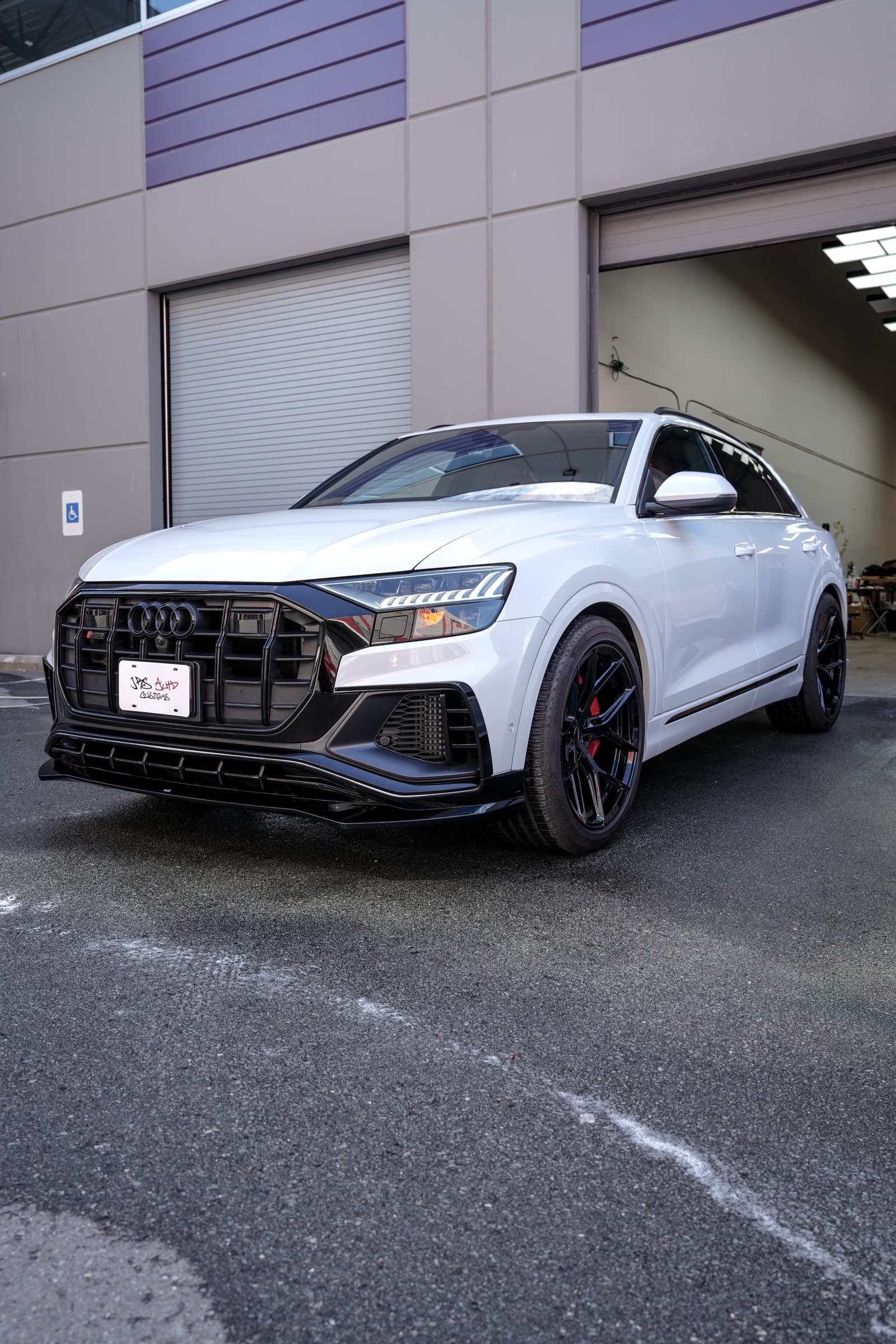
Related project: Audi SQ8 ABT Body Kit & Vossen HF5 Wheels