
Brake and Suspension Upgrades for Vancouver Roads
Published
Vancouver drivers face a specific combination of road conditions that is genuinely different from most other cities: crumbling asphalt on arterial routes, sudden potholes on side streets after freeze-thaw cycles, rough chipseal on North Shore and mountain roads, steep ferry ramps, and the occasional rough railway crossing. If you are wondering whether upgraded brakes and suspension make sense for your driving, the answer is: it depends on how and where you drive, and what you want from the car.
What Upgraded Suspension Actually Changes
The most common suspension upgrade people consider for Vancouver is lowering: a coilover kit or lowering springs to reduce the gap between the car and the road. Lowering a car changes its centre of gravity and reduces body roll in corners, which makes it feel more composed on the twisty roads around the North Shore or heading up to Cypress.
The practical trade-off in Vancouver is that a lowered car scrapes more on steep driveways, railway approaches, and the raised lane dividers common in Lower Mainland parking lots. If you are daily-driving a lowered car on these roads, you will notice the reduced clearance regularly.
A better approach for most Vancouver drivers is an upgraded spring and damper setup that maintains reasonable ride height while improving body control. Performance dampers — adjustable coilovers with the ability to set compression and rebound independently — give you the ability to tune the ride for the road conditions you actually drive, without committing to a fixed lower ride height.
What Upgraded Brakes Actually Change
Upgraded brakes come in two categories: friction material upgrades and full system upgrades.
Friction upgrades — better brake pads and rotors — improve bite, modulation, and resistance to fade during repeated hard braking. For a driver who takes their car on mountain roads regularly, a quality pad and rotor upgrade makes a meaningful difference in confidence and feel. For a pure highway commuter, the factory brake system is more than adequate for normal driving.
Full brake system upgrades — caliper upgrades, stainless brake lines, and big brake kits — are aimed at vehicles that generate significant heat under repeated heavy braking: performance driving, heavy vehicles, or vehicles that have been tuned for more power. For most street-driven cars in Vancouver, a pad and rotor upgrade handles the mountain road descent more than adequately.
The Vancouver Road Factor
The most underrated factor in the brake and suspension upgrade decision for Vancouver drivers is the road surface itself.
Bumpy, broken asphalt transmits more vibration through the suspension into the chassis and, eventually, into the brake components. On roads with significant surface deterioration, brake pad knockback — where the pad shifts slightly under vibration and reduces bite on initial application — is more noticeable. A quality brake pad with good anti-knockback characteristics and stainless lines to reduce flex in the brake hose under vibration both help with this.
Rough chipseal roads on the North Shore and into the Valley also accelerate wear on rubber suspension components — bushings, tie rod ends, and ball joints — by introducing more vibration loading than smooth asphalt. If your car is several years old and spending regular time on rough roads, refreshing the suspension bushings may give you more benefit than a full coilover upgrade.
When Upgrades Are Worth It vs When Maintenance Is the Answer
The question is not always whether an upgrade is better than what you have. Sometimes the better question is whether your current components are in good condition.
Worn suspension bushings cause vague steering, a floating or disconnected feel over bumps, and premature tyre wear at the edges. These symptoms are often mistaken for the car needing an upgrade, when what they actually need is a refresh of the existing components. A worn bushing cannot be fixed with a coilover; only replaced.
Brake symptoms that feel like fade or insufficient bite — but are actually caused by glazed rotors, contaminated pads, or air in the brake lines — will not be solved by upgrading to a higher-performance pad. Diagnosing the actual cause before spending on an upgrade is the right first step.
Who Actually Needs an Upgrade
An upgrade makes sense for drivers who are regularly pushing their car on mountain roads, who have modified their vehicle for more power or different wheel sizes, who participate in track days or performance driving events, or who have specific comfort and handling preferences that factory tuning does not address.
For the majority of Vancouver drivers on standard highway and city commutes, a thorough inspection and refresh of the existing brake and suspension system will deliver more measurable improvement than an upgrade — at a lower cost and without the trade-offs that come with lowering.
Getting Started
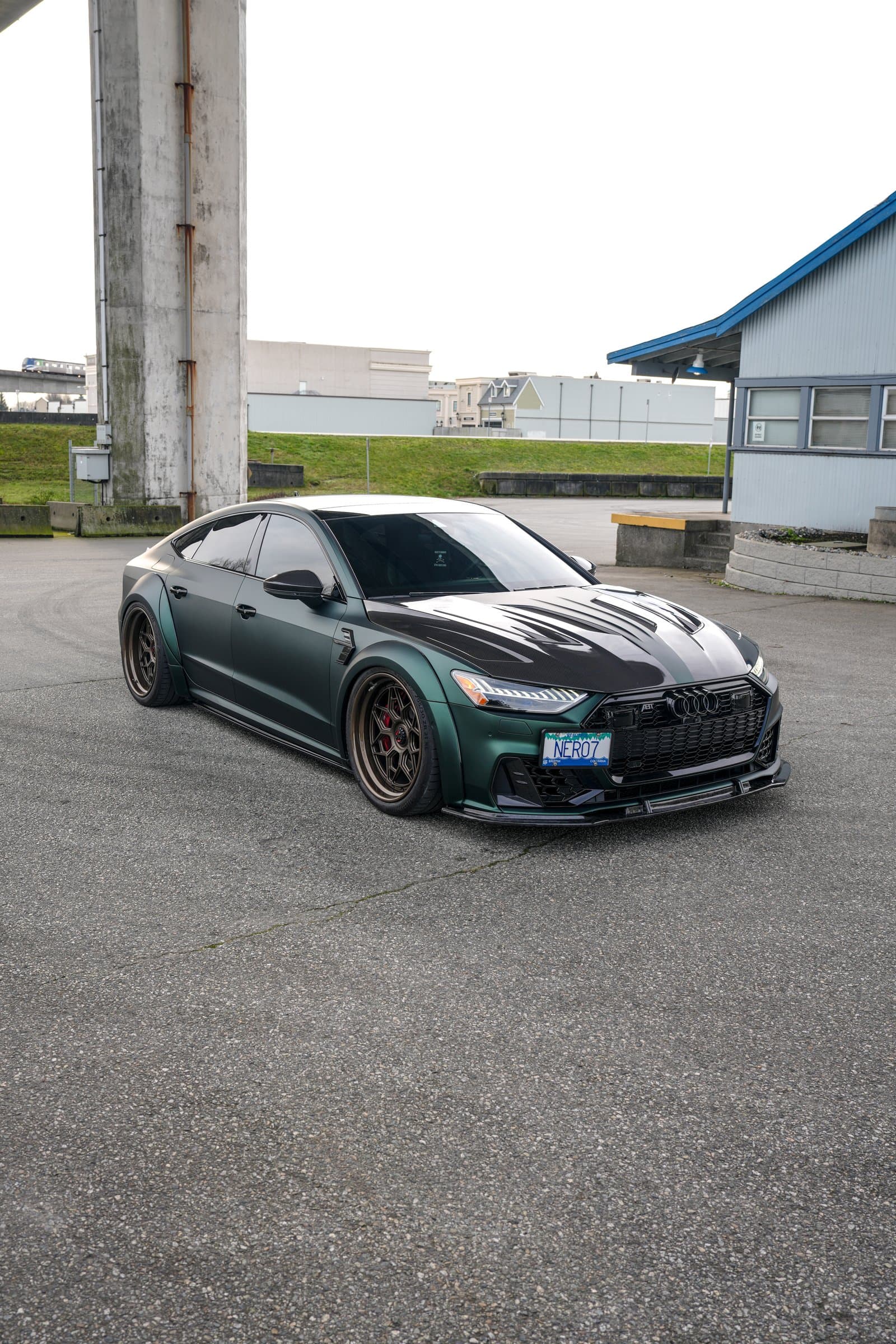
If you are wondering whether an upgrade or a refresh makes more sense for your car and driving patterns, JRS Auto Customs can assess the current condition of your brake and suspension system and advise on the most cost-effective path forward. Browse our Audi S7 Forgelite Wheels portfolio project to see our work on a performance vehicle, or visit our performance service page to learn more.
Related project: Audi S7 Sportback Forgelite Wheels