
How Long Does Ceramic Coating Last in Vancouver
Published
Ceramic coating is one of the most popular protection options for Vancouver drivers — and one of the most frequently misunderstood when it comes to how long it actually lasts. The honest answer is: it varies. A properly applied ceramic coating on a well-maintained car can maintain its hydrophobic properties for several years. But in a city with Vancouver's combination of rain, road salt, ferry exposure, and variable maintenance habits, that estimate comes with caveats. Here is what you need to know before you commit.
What Actually Determines How Long Ceramic Coating Lasts
The lifespan of a ceramic coating is not determined by the product alone — it is the result of several interacting factors.
Surface preparation is the foundation. A ceramic coating bonds to your paint at a microscopic level. If the paint surface is not properly decontaminated, polished, and wiped down with an IPA solution before application, the coating bonds to surface contamination instead of the paint. It may look fine at first, but it will fail prematurely. Professional application always includes a full paint correction before the coating goes on.
Application conditions matter. Temperature, humidity, and dust levels in the workshop all affect how well the coating cures and bonds. A shop that applies ceramic coating in an uncontrolled environment — even with a good product — will see shorter lifespans than one with proper climate management.
Maintenance habits determine longevity once the coating is on. The single biggest factor in how long a ceramic coating lasts is whether the owner follows through with pH-neutral washing, regular decontamination, and periodic inspections. Neglecting maintenance after a ceramic coating is applied is the most common reason it underperforms expectations.
Vancouver's Climate and What It Does to Ceramic Coating
Vancouver presents specific challenges that accelerate wear on ceramic coatings compared to drier climates.
Winter road salt is the biggest factor. Salt solution sits on painted surfaces during the wet season, and even a coating with strong chemical resistance will see its surface energy gradually reduced with repeated exposure. Cars parked outside through winter accumulate salt deposits on horizontal surfaces — roof, hood, boot lid — faster than those in covered parking.
Ferry exposure adds a specific strain. Cars on Tsawwassen or Horseshoe Bay ferries are subjected to salt spray off the Strait of Georgia, plus the physical abrasion of windborne salt on the drive up and down the ramp. This is a different exposure profile from normal road driving and warrants more frequent rinses.
Coastal humidity affects how water behaves on your car's surface. In dry climates, water dries quickly and leaves minimal deposits. In Vancouver's humidity, water sheets more slowly and leaves mineral residue — water spots — that, if not addressed, gradually degrade the coating's hydrophobic performance.
Signs Your Ceramic Coating Is Breaking Down
Most ceramic coatings do not fail all at once. The breakdown is gradual, and catching it early lets you address it before the paint is exposed.
Water no longer beads on the surface the way it did after installation. Instead of forming tight droplets that roll off, water spreads and pools.
The surface feels rougher to the touch. A fresh ceramic coating has a glassy, smooth feel. As contamination builds up or the coating degrades, it develops a gritty texture that does not wash away with normal shampoo.
Dirt and traffic film accumulate faster between washes. One of ceramic coating's primary benefits is self-cleaning. When that benefit diminishes, you will notice the car gets dirty more quickly after a wash.
Loss of gloss or increased surface scratches. While ceramic coating does not eliminate scratches entirely, a significant increase in visible marring — particularly in direct sunlight — can indicate the coating has thinned.
How to Extend Your Ceramic Coating's Lifespan
The habits that protect your ceramic coating are straightforward, but they need to be consistent.
Wash every one to two weeks with a pH-neutral, ceramic-safe shampoo. Avoid dish soap, which strips the coating. Use the two-bucket method with grit guards to prevent introducing abrasion.
Decontaminate the surface two to three times per year using a dedicated iron remover and clay substitute. This removes bonded contamination — brake dust, rail dust, industrial fallout — that washing alone cannot address.
Rinse your car after long highway drives or ferry trips, especially in winter. A quick pressure wash at a coin-op removes salt before it has time to bond.
Apply a ceramic维护 topper — a spray or wipe-on ceramic booster — every few months. This replenishes the coating's surface energy and extends the period between full reapplication.
When to Consider a Reapplication
No ceramic coating lasts forever, and at some point a professional reapplication is the right call. The signs that suggest reapplication rather than spot repair are: widespread loss of hydrophobic behaviour across multiple panels, visible oxidation or etching beneath the coating surface, and age beyond the product's expected lifespan without documented maintenance records.
At JRS Auto Customs we assess the condition of existing ceramic coatings before recommending a path forward. Sometimes a maintenance detail and topper application is enough to extend the coating's life by another season. Other times, reapplication is the more cost-effective choice in the long run. Visit our ceramic coating page to learn more about what is involved.
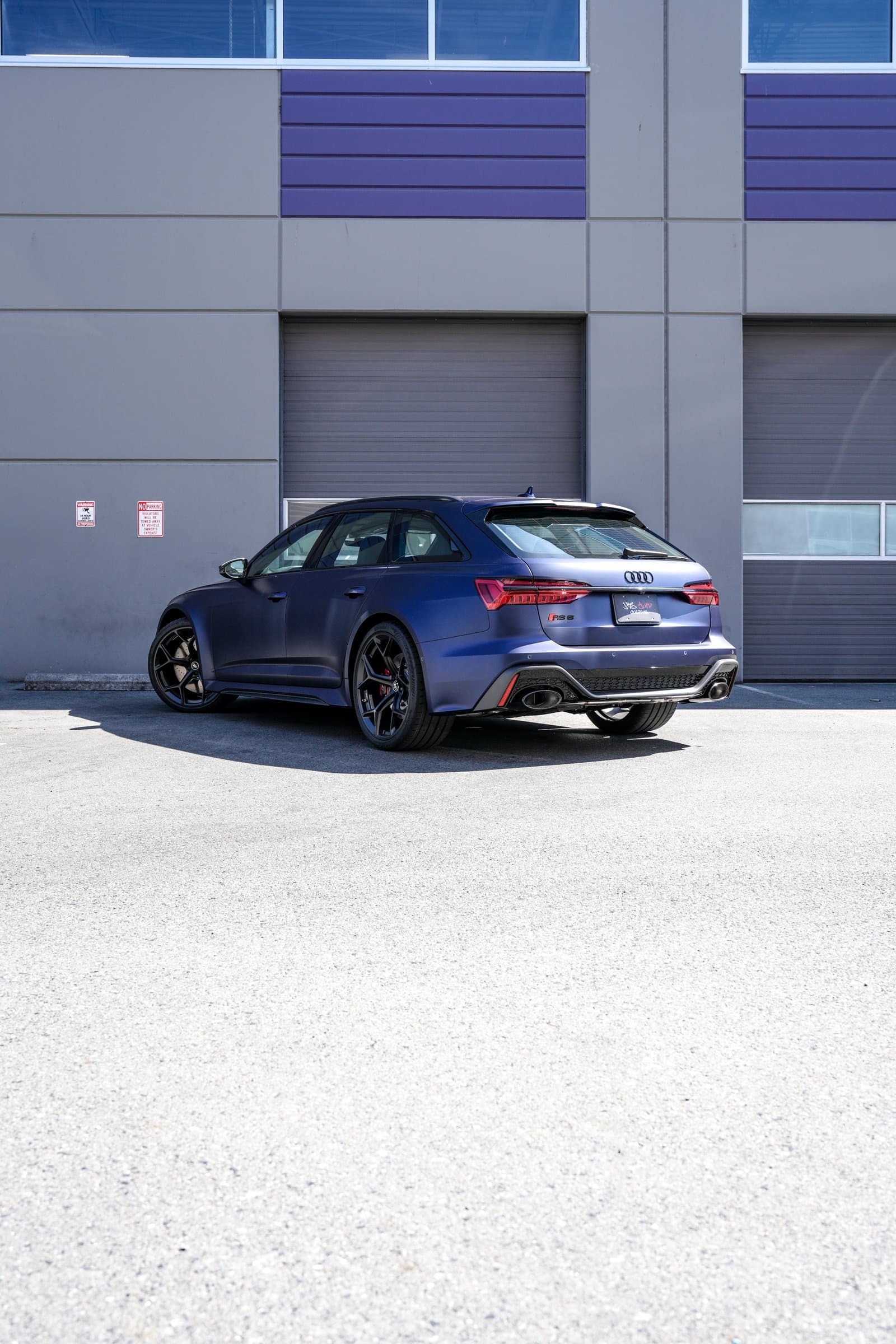
Related project: Audi RS6 Avant Matte Blue PPF