
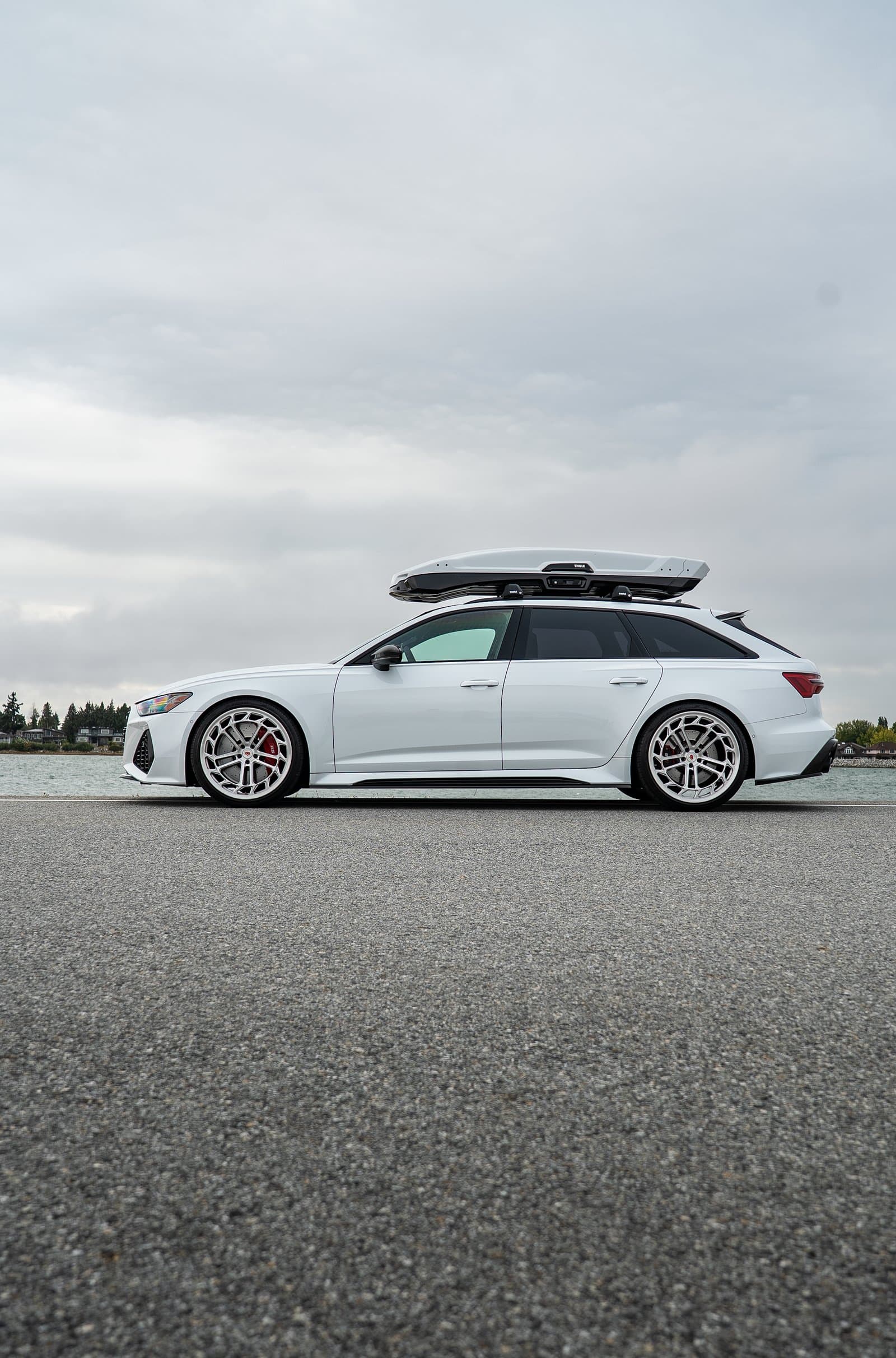
When Is the Right Time to Get Ceramic Coating in Vancouver
Published
Every car owner in Vancouver asks the same question before booking a ceramic coating: does it matter when I do it? Like most things in car care, timing affects how well the coating bonds, how long it lasts, and how much of a beating it can take from the moment it cures.
Why Late Summer and Early Fall Are Ideal in Vancouver
Ceramic coatings cure most effectively at moderate, stable temperatures. Too cold and the cure slows, leaving the surface vulnerable longer than it should be. Too hot and the coating can flash off before it levels properly. Vancouver summers rarely spike into the extremes that cause problems, making late August through September a suitable window for this kind of work.
Humidity also plays a role. Very high moisture in the air during installation can interfere with the bonding process. Coastal British Columbia carries more damp air than the interior, so a dry week in late summer is preferable to a grey November morning. Getting the coating applied before the rain season means it has time to harden properly before your car faces the wet months ahead.
Road grime, salt, and the chemical film that accumulate on roads during autumn rains will test the coating from the start. A coating that has cured properly handles that assault better than one still in its early hardening phase.
What the Application Process Looks Like
A professional ceramic coating install at JRS Auto Customs starts with a full paint decontamination and correction. This removes anything sitting on top of the paint — road film, old wax, industrial fallout — so the coating bonds directly to the clear coat rather than to a layer of grime. Skipping this step is a common reason coatings underperform.
After correction, the coating is applied panel by panel in a controlled environment. The car sits for a cure period — typically twenty-four to forty-eight hours — before it is returned to you. We walk through the finish with you before handover and confirm the coating has settled evenly across every panel.
Caring for Your Coating After Installation
After the coating cures, maintenance is straightforward. Avoid harsh chemical cleaners for the first two weeks. Do not apply any wax or sealant on top of the ceramic coating — it is not necessary and some products can soften the ceramic layer. After that window, wash your car regularly with a pH-neutral shampoo.
One thing to keep in mind is that future paint correction or a new protective layer may not sit cleanly over the ceramic coating. Some products react with ceramic coatings and need the old layer removed first. If you are considering a future wrap, PPF, or correction, mention it to us before you commit — we will plan the order of work accordingly.
When the Coating Should Be on Your Calendar
If you are weighing whether to get ceramic coating done this season or wait, Vancouver's climate — coastal humidity, autumn rain, and winters that deliver plenty of road salt — is one reason to consider booking before October. That said, coating installs run year-round when conditions are right.
A practical window is the last few weeks of summer into early September. Book now and your car gets the coating applied before the heavy rain arrives. Once it has cured fully, you can wash it normally and it will hold up through the season. Reach out to JRS Auto Customs to discuss your vehicle and find a time that works for you. We are happy to answer any questions about the process and what to expect after installation.
Explore our ceramic coating service for full details on what is included, or browse our wheels work if you are thinking about a full transformation.
Related project: Audi RS6 Vossen LC2-C1 Custom Wheels