
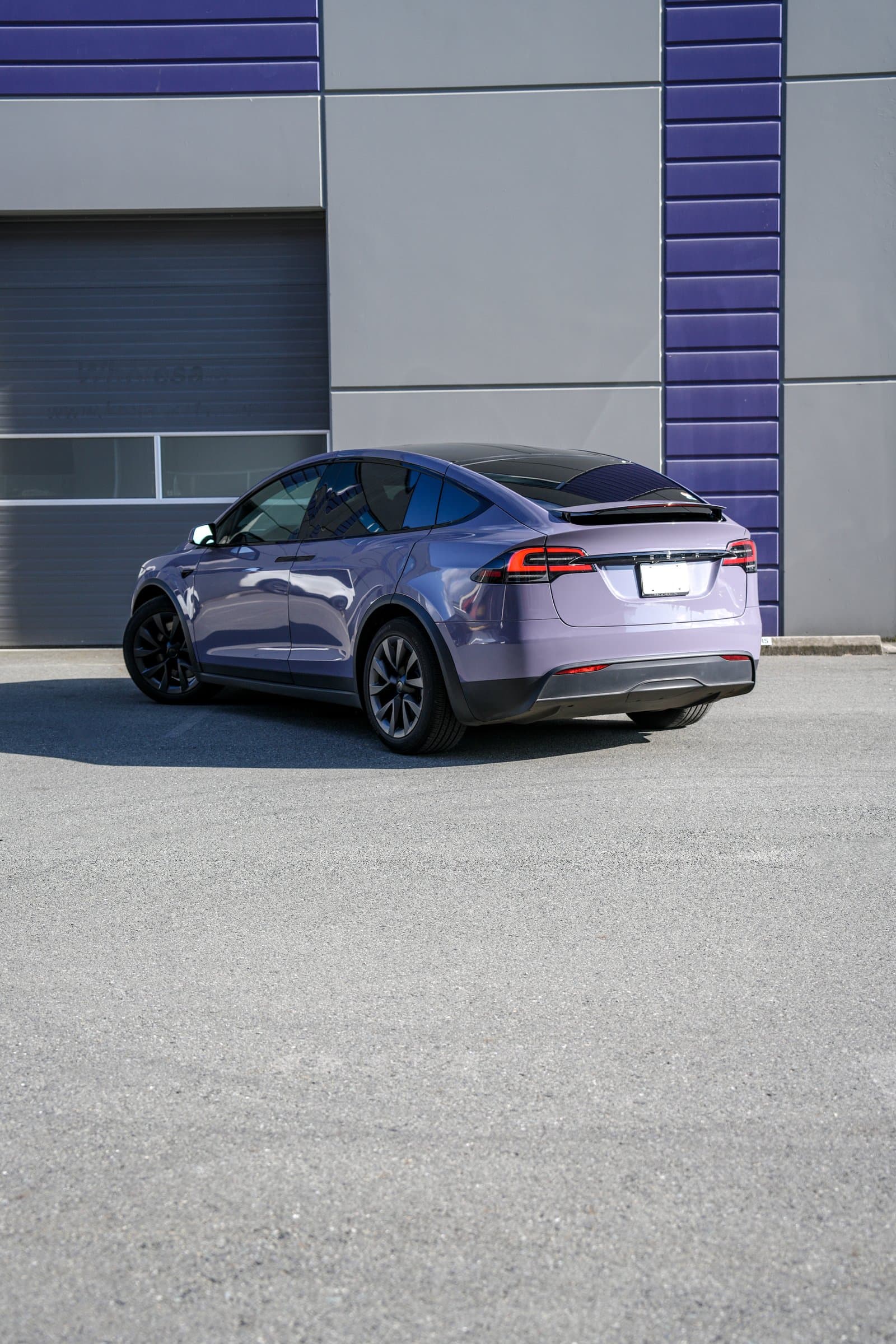
Is Ceramic Coating Worth It for Vancouver Drivers?
Published
Vancouver's winters are rough on cars. Between the rain that never seems to stop, the salt and calcium chloride spread across every highway and side street, and the short days that leave your vehicle sitting wet for hours — it's a demanding environment for any finish. If you've been wondering whether ceramic coating is worth the investment, here's a straightforward look at what it actually does and what makes sense for your car.
Why Vancouver's Climate Is Tough on Car Paint
The combination of rain and road salt is what does the most damage. Salt accelerates oxidation on exposed metal trim and undercarriage components. Calcium chloride, used extensively on North Shore roads and the highways feeding in and out of the city, is particularly aggressive. On painted surfaces, the repeated wet-dry cycle that characterizes a Vancouver winter means contaminants — salt, iron particles from brake dust, road film — are kept in solution longer and have more time to bond to the paint. Left without protection, this cycle gradually etches the clear coat, dulls the finish, and in some cases causes lasting discolouration on lighter paint colours.
What Ceramic Coating Actually Does
Ceramic coating is a liquid silica-based compound that bonds chemically with your factory clear coat at a molecular level. Once cured, it creates a hard, semi-permanent layer that is both harder than factory clear and hydrophobic — meaning water beads off rather than sitting on the surface. That hydrophobic property is the key practical benefit in Vancouver: instead of water staying wet on your paint for hours during a drizzle, it sheets off quickly, carrying contaminants with it.
The harder surface also makes the paint more resistant to micro-marring from washing — the light swirl marks that appear over time from a dirty wash mitt or a suboptimal chamois. It does not make the car scratch-proof, and it does not eliminate the need for washing, but it reduces the frequency with which you need to correct the paint.
Ceramic Coating vs. PPF: Do You Need Both?
This is the question we get most often. The short answer is that each addresses a different type of risk.
Paint protection film is a physical barrier — a thick urethane layer that absorbs rock chips, shopping cart impacts, and abrasion before they reach your paint. If preventing physical damage is the priority — for highway drivers, for vehicles that park outdoors daily, or for high-value cars — PPF is the stronger choice.
The combination of both — PPF on the high-impact panels and ceramic coating over the whole car, including the film — gives you physical protection where you need it most and chemical protection everywhere else. Our PPF service and ceramic offering are planned together when you come in for a consultation, so we can quote both and let you decide based on your priorities and budget.
Ceramic coating addresses chemical damage and surface degradation. It won't stop a rock chip, but it will protect the clear coat from acid etching, make the surface easier to clean, and maintain gloss over a longer period. For vehicles that are primarily garaged or low-mileage, ceramic coating alone may be the right call.
The combination of both — PPF on the high-impact panels and ceramic coating over the whole car, including the film — gives you physical protection where you need it most and chemical protection everywhere else. Our PPF service and ceramic offering are planned together when you come in for a consultation, so we can quote both and let you decide based on your priorities and budget.
What Coating Level Is Right for Your Car
Coatings come in different formulations with different durability levels. Entry-level coatings offer good hydrophobic performance and chemical resistance for one to two years. Professional-grade coatings — the products used in our shop — cure to a harder finish and carry longer durability, typically in the three-to-five-year range. The right level for you depends on how the car is used, how long you plan to keep it, and how hands-on you are with maintenance.
We apply coating to the vehicle paint, glass, wheels, and trim surfaces depending on the package. Not every surface benefits equally — wheel faces and glass see the clearest day-to-day benefit — but a full-exterior coating gives the car a uniform water-beading behaviour that looks striking when clean.
Book a Ceramic Coating Consultation
JRS Auto Customs has been applying ceramic coatings in Vancouver since 2010, on vehicles ranging from daily drivers to luxury and high-performance cars. We handle paint correction before coating to ensure the surface is clean and free of defects before the compound bonds. If you're wondering whether ceramic coating is worth doing, or whether PPF makes more sense for your situation, bring the car by — we'll give you a straightforward assessment.