
Clear PPF and Vancouver Summers: What Owners Need to Know
Published
Clear paint protection film is nearly invisible, which is exactly the point. Unlike tinted or colored PPF, a clear film is meant to protect your car's paint without changing the way it looks. But invisible does not mean immune. If you drive in Vancouver through the summer, the heat and UV exposure your car sits in will affect the film over time.
What Vancouver Summers Actually Do to Clear PPF
Vancouver does not have the extreme heat of the Interior, but a string of sunny days in July and August still delivers meaningful UV and ambient temperatures that can reach the high twenties or low thirties. For clear PPF, the two factors that matter most are UV radiation and prolonged heat.
UV radiation is the primary driver of any yellowing in clear PPF. The top coat of quality film contains UV inhibitors that absorb and block most of that radiation, but over years of consistent sun exposure those inhibitors gradually deplete. When they thin out enough, a faint yellowish cast begins to develop — most visible on white or light-colored cars and on the leading edges of panels facing the sun.
Prolonged heat without shade accelerates the process. Cars parked outdoors all day in direct sun hit higher surface temperatures than you might expect, even in Vancouver's relatively mild climate. That sustained heat stresses the adhesive layer as well as the top coat, and over time can cause the film to lift slightly at edges and corners before the film itself shows any visible change.
What the Film Is Protecting — and What It Cannot Prevent
The paint beneath the clear PPF stays protected as long as the film is intact. UV that would otherwise oxidize and fade your factory finish is blocked by the film. Rock chips, road salt residue, and minor scratches are absorbed by the film, not your paint. That is the core value proposition and it holds true in Vancouver's climate.
What clear PPF cannot do is prevent the film itself from aging. The yellowing and adhesive degradation described above are cosmetic and functional changes in the film, not in your paint. When the film yellows noticeably or begins to lift, it is time to consider replacement — not because your paint is damaged, but because the protection the film is supposed to provide is compromised.
Caring for Clear PPF Through a Vancouver Summer
Learn about PPF options at JRS Auto Customs
Explore ceramic coating as an alternative or complement
There are practical steps that extend the useful life of clear PPF through hot summer stretches. Parking in shade whenever possible is the single most effective habit — it reduces both UV exposure and surface temperature simultaneously. Washing the car regularly removes contaminants that can bake onto the film in sunlight and cause staining or etching that mirrors into the top coat.
When washing, use a pH-neutral shampoo and a soft microfibre cloth or wash mitt. Avoid high-pressure nozzles directed at film edges, which can lift the film at corners. A final rinse with filtered or deionized water reduces water-spot residue that can be mistaken for film degradation.
A periodic inspection — every few months or after a long hot stretch — lets you catch lifting edges before they accumulate dirt underneath. If an edge has lifted, a detailer can often re-adhere it without a full re-wrap, depending on how long it has been separated.
When to Replace Clear PPF in Vancouver
Most quality clear PPF products carry a warranty of five to ten years, but real-world longevity depends on sun exposure, parking habits, and maintenance. A car that spends most of its time in an underground parkade will generally outlast one parked on the street.
Signs that replacement is needed include visible yellowing that does not wash off, persistent lifting at edges that cannot be re-adhered, and any cracking or hazing of the top coat. For Vancouver drivers who put their car through the winter salt season and then park it in full sun through the summer, that full annual cycle can add up faster than the warranty period implies.
If you are unsure whether your clear PPF needs attention, a quick inspection at a detailing shop takes under an hour and gives you a clear picture of where the film stands.
Bottom Line for Vancouver Drivers
Clear PPF performs well in Vancouver's climate, including the summer months. The film holds its own against UV and heat better than older-generation products, and it continues to protect your paint throughout its service life. The key variables are parking habits, maintenance, and knowing when the film itself has reached the end of its useful life.
If you are considering clear PPF for your car or want to know whether your current film is still performing, JRS Auto Customs can walk you through the options and what to expect for your specific vehicle and driving patterns.
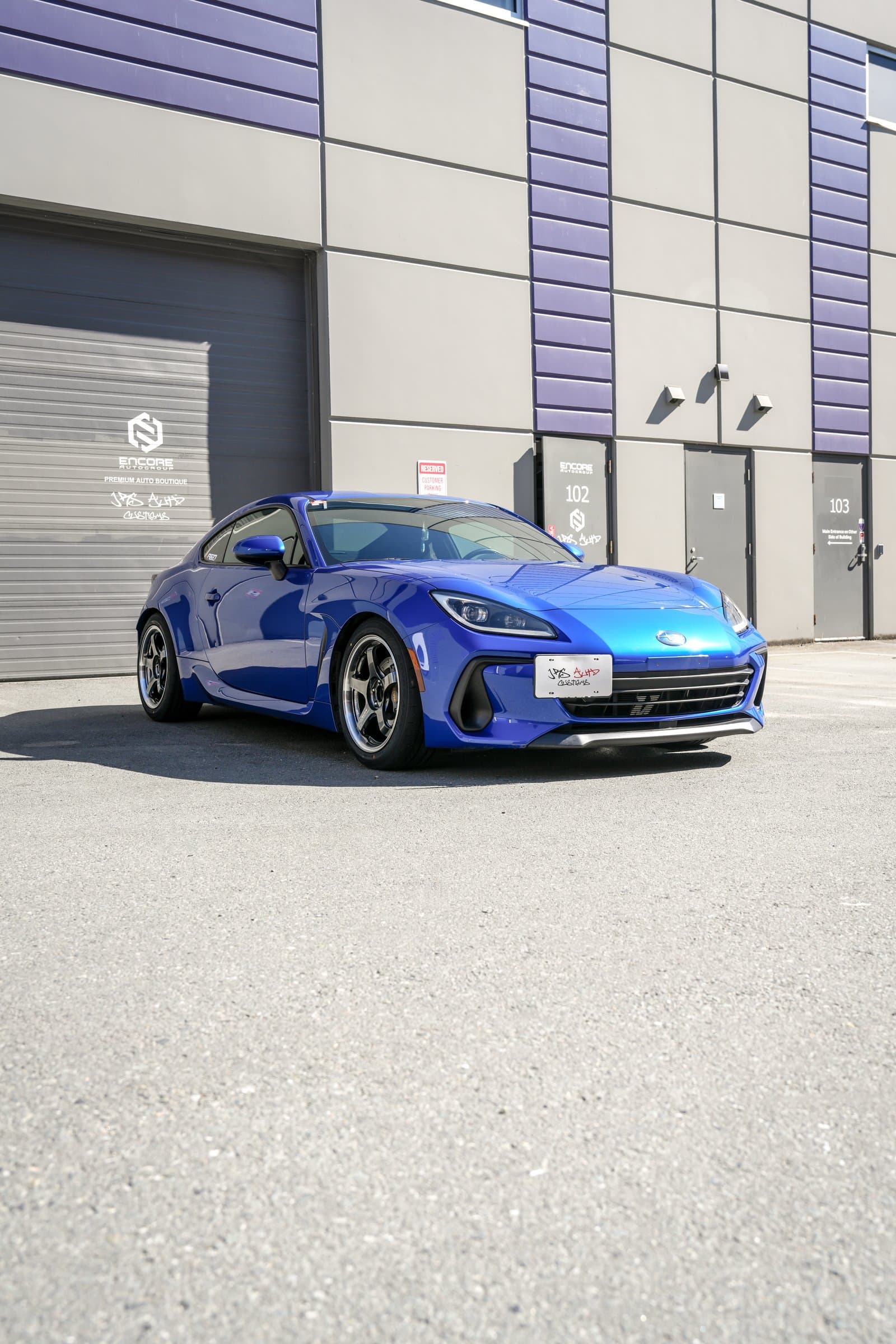
Related project: Subaru BRZ — Full Gloss Clear PPF