
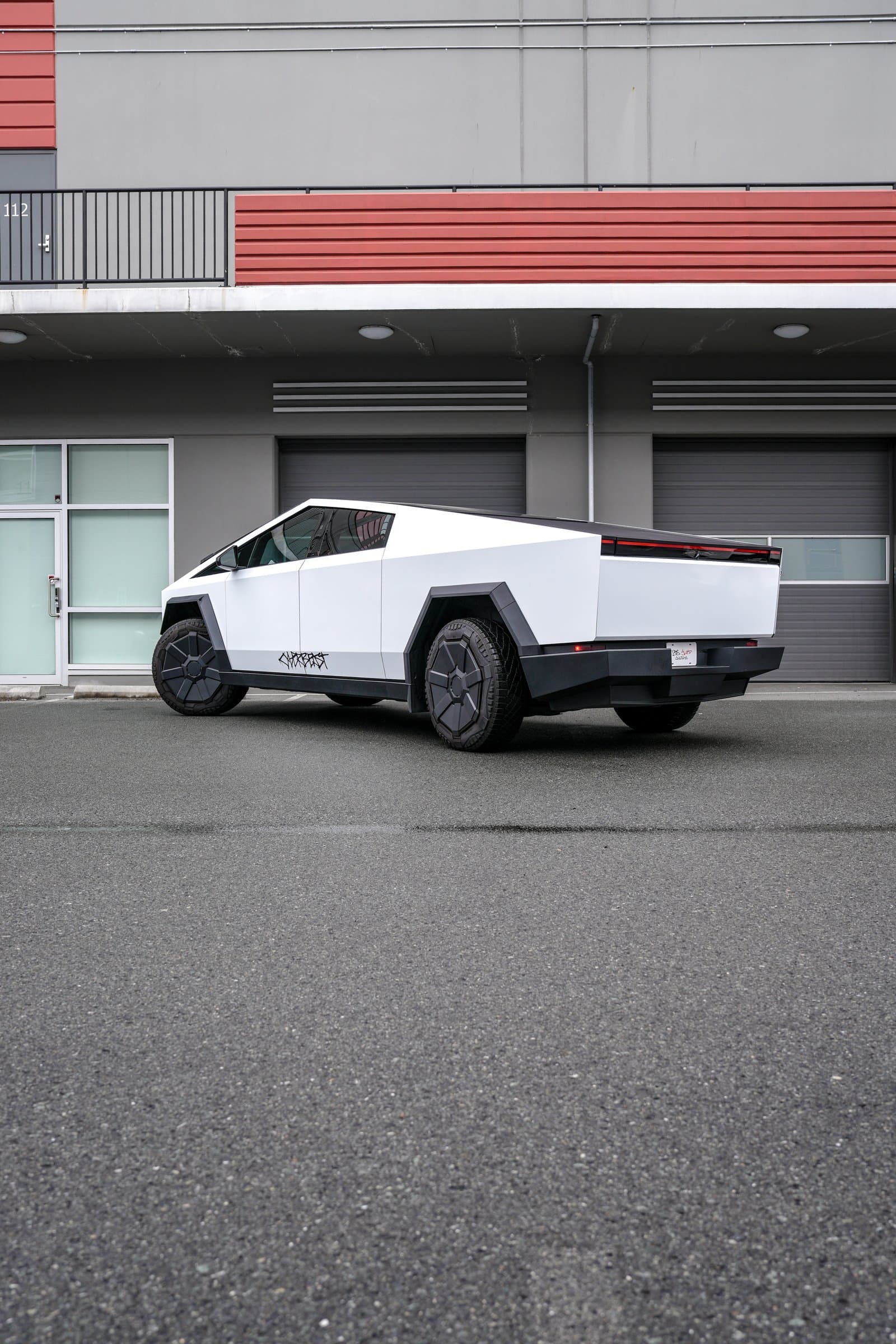
Colour Change Wrap: Matte vs Gloss — What Each Finish Does
Published
When you decide to do a colour change wrap, the choice between matte and gloss is one of the first decisions you face. It is also one of the most permanent-looking -- a gloss colour change can look almost identical to a factory paint job; a matte finish makes a definitive style statement. Both behave differently over time, require different maintenance, and suit different types of cars and different owners. Understanding what each does -- not just how it looks on the day it is installed -- is worth the time before you commit.
What a Gloss Colour Change Finish Looks Like
A gloss colour change wrap replicates the appearance of factory paint. High-gloss films from brands like 3M and the TPU formulations used in premium installations achieve a depth and reflection that is difficult to distinguish from a proper paint job at normal viewing distances. The finish amplifies the lines and curves of the bodywork, which is why gloss colour changes on sports cars and executive sedans are particularly popular.
The practical advantage of gloss is that it is forgiving of minor surface imperfections in the underlying paint, and it is easier to maintain than matte. Water beads and sheets off gloss film more readily. Minor scratches in gloss film can in many cases be polished out. And because the finish is reflective, it tends to show off the car's shape in a way that most car buyers are familiar with -- which matters if resale or return-to-original is part of your thinking.
What a Matte Finish Looks Like and How It Behaves
A matte finish absorbs light rather than reflecting it, which gives the car a flat, uniform appearance. The effect is more muted than gloss and reads as more contemporary and design-forward. It is a finish that works particularly well on cars with strong body lines -- the matte surface makes the sculpture of the bodywork more legible by removing the distraction of reflections. On a car with complex panel curves, matte can actually look more refined than gloss.
The trade-off is maintenance. Matte film is more sensitive to contamination. Road film, bird droppings, and sap will show on matte more visibly than on gloss, and matte film cannot be polished -- any attempt to correct a scratch or swirl in matte film will change the finish. Matte requires a specific maintenance product: a matte-safe wash and matte-specific sealant or topper. Done properly, matte stays looking consistent for years. Done casually with the wrong products, it degrades visibly within months.
Durability and Longevity: Which Finish Lasts Longer
Both matte and gloss film from quality manufacturers offer comparable durability in terms of film integrity -- both resist rock chips, UV damage, and chemical exposure similarly. The longevity difference is mostly about how the finish ages visually. Gloss film that is not maintained will lose clarity as contamination embeds in the surface. Matte film that is not maintained will lose its uniform appearance and develop patches of gloss where contamination has affected the surface differently in different areas.
With proper maintenance, both finishes look good for five to seven years or more on a daily driver. Without maintenance, both degrade. Matte degradation is more visible and harder to reverse, which makes the maintenance discipline more important for matte wraps.
Which Finish Suits Your Car
The car matters. Gloss colour changes tend to work better on cars that are intended to look clean and presentable -- executive sedans, luxury SUVs, daily drivers where the colour change is about personalisation without making a dramatic statement. The finish also suits cars with complex paint finishes where the original manufacturer intent was gloss -- which is most cars.
Matte works better when the car's design language is already angular and contemporary. Modern performance cars with aggressive bodywork, cars with aero kits, and vehicles that already have a matte finish from the factory are natural fits for a matte wrap. Matte on a classically styled luxury car can look less coherent, because the contrast between traditional body proportions and a very contemporary finish can feel unresolved.
Can You Change From Matte to Gloss Later
One practical consideration is reversibility. A colour change wrap -- matte or gloss -- can be removed and the car returned to its original colour or a different wrap without significant risk to the original paint. The finish can often be changed without replacing the wrap entirely, though a full replacement gives the cleanest result.
If you are unsure which finish suits you, gloss is the more conservative and more forgiving choice. If you are confident in the matte look and willing to maintain it, it is one of the most impactful personalisation decisions you can make with a wrap.
Getting the Installation and Maintenance Right
The quality of the installation matters more than the finish you choose. A poorly installed gloss wrap looks worse than a well-installed matte wrap. The film must be applied without trapped contamination, with properly finished edges, and with appropriate post-installation care. The maintenance products used after installation are equally important -- matte wraps in particular should only be cleaned with products specifically formulated for matte films.
We do colour change installations at JRS Auto Customs in Vancouver, and we are happy to show you examples of both finishes before you commit. Come and talk to us about what you are trying to achieve with the wrap. Browse our colour change wrap services to see what we offer.
Related project: Mercedes C-Class TPU Diamond White Color Wrap