What Happens During a Colour Change Wrap in Vancouver
Published
A colour change wrap is one of those modifications that looks simple from the outside -- you pick a colour, the shop applies it, and the car comes back a different colour. But the process between those two moments involves a surprising amount of preparation, skill, and decision-making that affects how the wrap looks, how long it lasts, and what it is like to live with. Here is what the process actually involves from start to finish.
Before the Wrap Goes On: Surface Preparation
The quality of a colour change wrap is determined almost entirely before the film is touched. A vehicle coming in for a wrap gets a full decontamination wash: iron fallout remover, a clay bar pass, and a thorough dry. Any contaminant left on the paint will be visible through the film and will also affect how well the adhesive bonds. Paint chips and scratches are not hidden by the wrap -- they are visible through it. If the vehicle has existing paint damage, a light machine polish before the wrap is standard practice to ensure the surface is as clean and level as possible.
What happens to the existing paint
The wrap adheres directly to the factory paint or clear coat. That means the condition of the original paint matters. A wrap applied over oxidised or flaking paint will fail prematurely because the surface beneath it is not stable. A wrap applied over a well-maintained original finish can be removed years later with no damage to the paint underneath. That is one of the genuine advantages of wrapping over repainting: it is reversible, provided the original paint is sound.
Measurement, Pattern Cutting, and Fit
Each vehicle panel is measured and the film is cut to fit. In a full colour change, every exterior panel -- doors, bonnet, boot lid, roof, fenders, bumpers -- is wrapped individually. The cuts are made with precision tools and placed in hidden areas where possible, such as along body lines and door shut faces. Well-executed cuts are very difficult to see without knowing where to look.
The film is then applied using a slip solution -- a mixture of water and a small amount of soap -- which allows the installer to position the film correctly before the adhesive activates. The film is worked from the centre outward with a squeegee to push the solution out and create a bond with the surface. This is where installer experience makes the most difference: getting the film to conform around curves, mirrors, door handles, and emblems without trapping air bubbles or causing creases.
Complex areas take the most time
Flat panels are relatively straightforward. The areas that require skill are the bumpers -- which often have compound curves and aerodynamic cut lines -- the mirrors, and the door handles. A professional shop will spend more time on these areas than on the flat door panels. Door jambs, where the wrap folds back against the paint, are also part of a quality install: if the door jambs are not wrapped, the colour change looks incomplete when the door is opened.
Curing Time and Initial Care
After the wrap is applied, the adhesive needs time to bond fully to the paint surface. Most shops recommend leaving the vehicle in a controlled environment for 24 to 48 hours before washing and for a full week before taking it through a car wash or exposing it to heavy rain. This is not a marketing buffer -- it is the actual time required for the adhesive to achieve full bond, particularly in cooler or more humid conditions.
In the first week, avoid automated car washes with brushes, high-pressure water jets, and parking in direct sun on very hot days. The film is still settling, and those conditions can cause lifting at the edges before the bond is fully set.
How Long Does a Quality Wrap Last?
Most professionally applied colour change wraps carry an expected lifespan of three to five years, depending on the film quality, the colour, and the conditions the vehicle is exposed to. Lighter colours tend to last longer because they absorb less UV and show less surface contamination. Dark colours, particularly blacks and deep reds, show swirl marks, dust, and road film more readily and may show wear sooner in urban driving conditions.
In Vancouver's climate, the combination of winter salt, road grime, and long stretches of overcast weather means that a wrap on a daily-driven car will benefit from the same regular washing that the paintwork beneath it requires. A wrap that is never washed will accumulate contamination that accelerates surface degradation.
Is a Colour Change Wrap the Right Move?
A colour change is a genuine commitment, even if it is reversible. The process takes time -- typically several days to a week for a full vehicle wrap. It requires a clean, undamaged original paint surface to achieve a result worth keeping. And it changes the character of the car in a way that is difficult to undo visually, even if the film can be removed.
For a driver who has been considering a colour change for a long time and is committed to the outcome, the process delivers a result that repainting cannot match in terms of reversibility and cost for a temporary change. For a driver who wants a permanent look change, repainting may be the more appropriate path.
Explore colour change options at JRS Auto Customs
JRS Auto Customs can talk you through the process, the film options available, and what to expect from the result on your specific vehicle. A conversation before you commit is the best way to know whether a colour change is the right move for you.
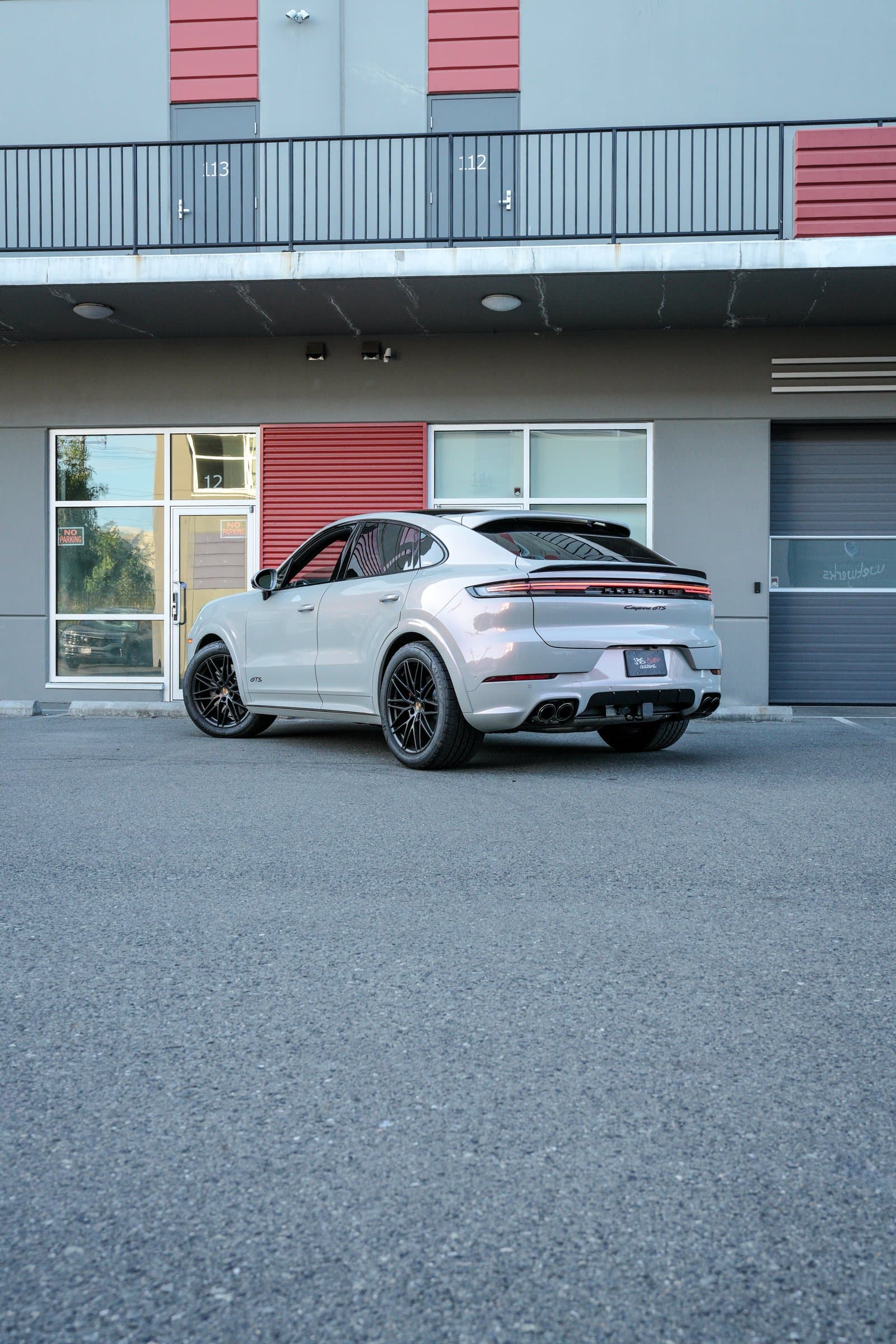
Related project: Porsche Cayenne GTS Red Diamond PPF Wrap