What Happens When Your Colour Change Wrap Comes Off
Published
One of the most common questions we get from owners considering a colour change wrap is the one they ask after the decision is made: what happens to the paint underneath when the wrap comes off? It is a fair question, and the honest answer is: it depends. It depends on the quality of the original paint, how long the wrap was on, the quality of the installation, the type of wrap, and how the removal is done. This guide walks through each of those factors so you know what to expect.
What the Paint Looks Like After Wrap Removal
When a colour change wrap is professionally removed from a vehicle with factory-original paint in good condition, the paint underneath is typically undamaged. High-quality vinyl and TPU wraps are designed to be removed without harming the surface beneath — that is one of their primary advantages over paint.
What you are most likely to find is adhesive residue — a tacky or hazy film left behind by the adhesive layer that bonds the wrap to the paint. This is normal. Adhesive residue is removed as part of a proper wrap removal process using specialist adhesive removers that dissolve the residue without damaging the paint. What you should not find on properly maintained paint is any lifting of the original finish, bubbling, or discolouration.
If the original paint was already compromised before the wrap was applied — if it had chips, scratches, oxidation, or poor adhesion — the wrap will have sealed those problems in rather than protected them. When the wrap comes off, those issues will still be there and may be more noticeable.
How Long a Wrap Stays On Matters
Modern TPU colour change wraps, when properly installed and maintained, can remain on a vehicle for five to ten years. The longer a wrap stays on, the more important the initial surface preparation was.
In Vancouver's climate, a wrap that has been on for multiple years through multiple wet seasons may have accumulated moisture at the edges. If the edges were not properly sealed during installation, water can work its way under the film and cause the adhesive to weaken unevenly. When the wrap is removed, this can leave patterns or unevenness in the adhesive residue that require more attention to clean up.
Shorter-term wraps — one to three years — typically remove cleanly with minimal residue, particularly on well-prepared factory paint. The key variables are the quality of the film and the quality of the installation, not just the duration.
The Importance of Professional Removal
Wrap removal is a skilled process, and doing it wrong causes the damage that proper removal avoids. The most common mistake is attempting to peel the wrap at the wrong temperature — pulling a wrap off when the vehicle is cold can cause the film to tear and leave adhesive behind in one piece. Professional removal involves heating the film to the correct temperature to loosen the adhesive, peeling at the correct angle, and using the right chemical assistance for any remaining residue.
Attempting to remove a wrap with a heat gun or hair dryer without the technique to match can create what detailers call surface blistering — small pockets where the adhesive separates unevenly from the paint. This is not the film failing; it is the technique failing.
What to Do After the Wrap Comes Off
Once the wrap is removed and adhesive residue cleaned, the vehicle should go through a decontamination wash. Road film, environmental pollutants, and the compounds used in adhesive removal all need to be cleared before the paint is assessed.
After decontamination, a thorough inspection of the paint condition tells you what you are working with. If the paint is in good condition, a single-stage polish restores gloss and the vehicle is ready. If the paint has UV fading under the wrap — which happens on dark-coloured vehicles left in sunnier conditions — a paint correction may be needed to restore uniform appearance.
If the paint is in poor condition — particularly if it has pre-existing chips or clear coat failure — paint correction alone may not be sufficient. In that case, you have the opportunity to address the paint properly before applying a new protection layer, a new wrap, or leaving the paint exposed.
Protecting the Paint After Wrap Removal
After wrap removal and any necessary paint correction, protecting the paint is worth doing if the vehicle will be exposed. Vancouver's rain, road salt, and UV exposure will begin acting on the bare paint from the moment the wrap comes off.
Options include applying a ceramic coating to the bare paint for long-term hydrophobic protection and gloss, installing PPF on the most exposed areas, or booking a regular maintenance wash programme to keep the paint clean and contaminant-free. The right choice depends on how you use the car and how long you plan to keep it.
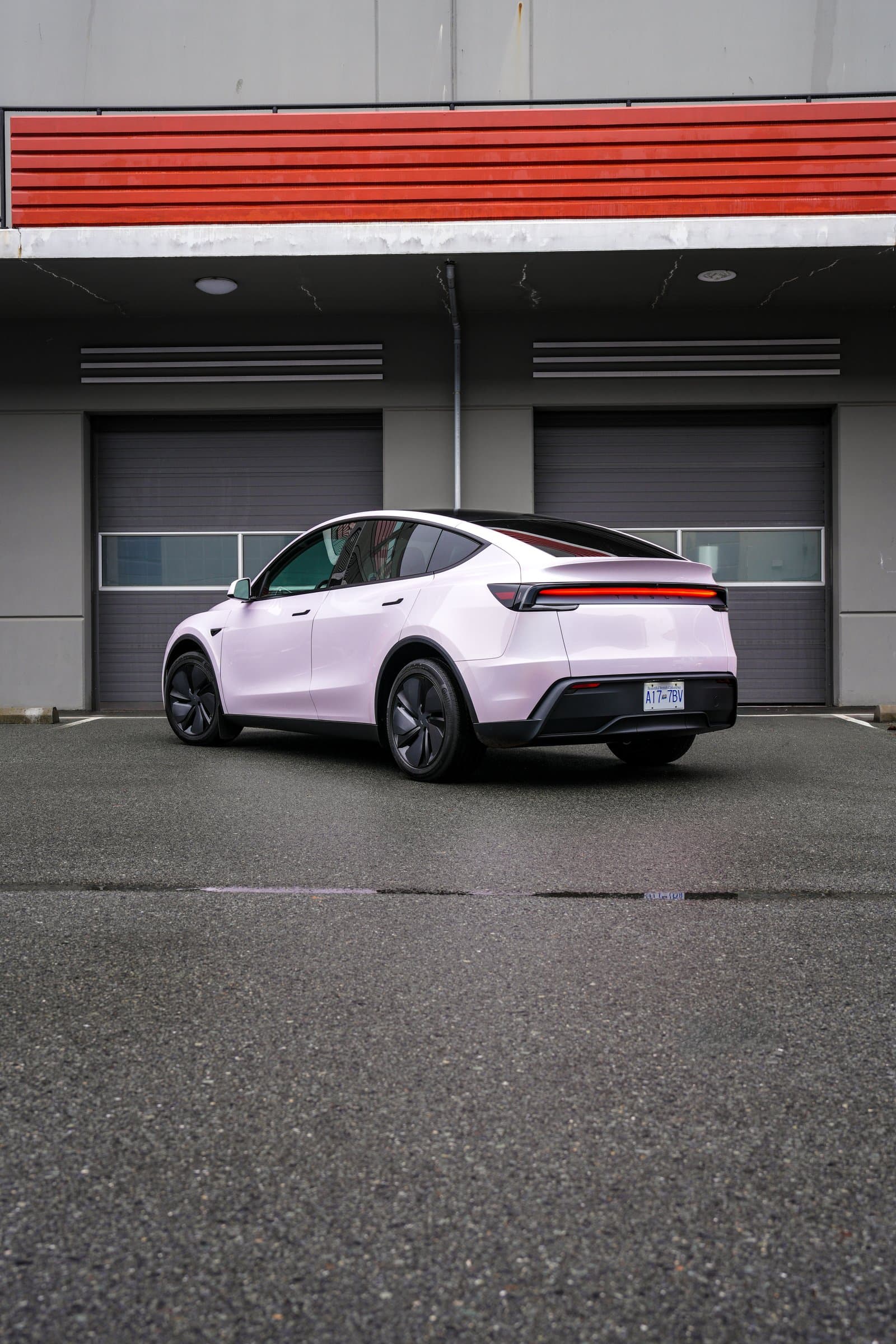
For more on your protection options after wrap removal, or to discuss the condition of your paint before making a decision, visit our colour change service page or browse our Tesla Model Y colour change portfolio to see examples of our wrap work.
Related project: Tesla Model Y Iridescent Rose Pink TPU Wrap