What to Consider Before a Colour Change Wrap
Published
A colour change wrap is one of those modifications that looks simple from the outside — you pick a colour and a shop puts it on the car. But the people who have been through the process will tell you that the details matter, and the decision starts well before you walk through a shop door.
Here is what actually comes up when you start thinking it through seriously.
Finish Affects Character More Than Colour
Most people start with a colour. But the finish changes the car just as much, and in ways that are not immediately obvious until you see them in person.
Gloss finishes replicate the look of factory paint. A high-gloss metallic or solid in the right colour makes the car look like it came out of the factory that way. This is a solid choice for owners who want a clean, understated transformation that does not announce itself.
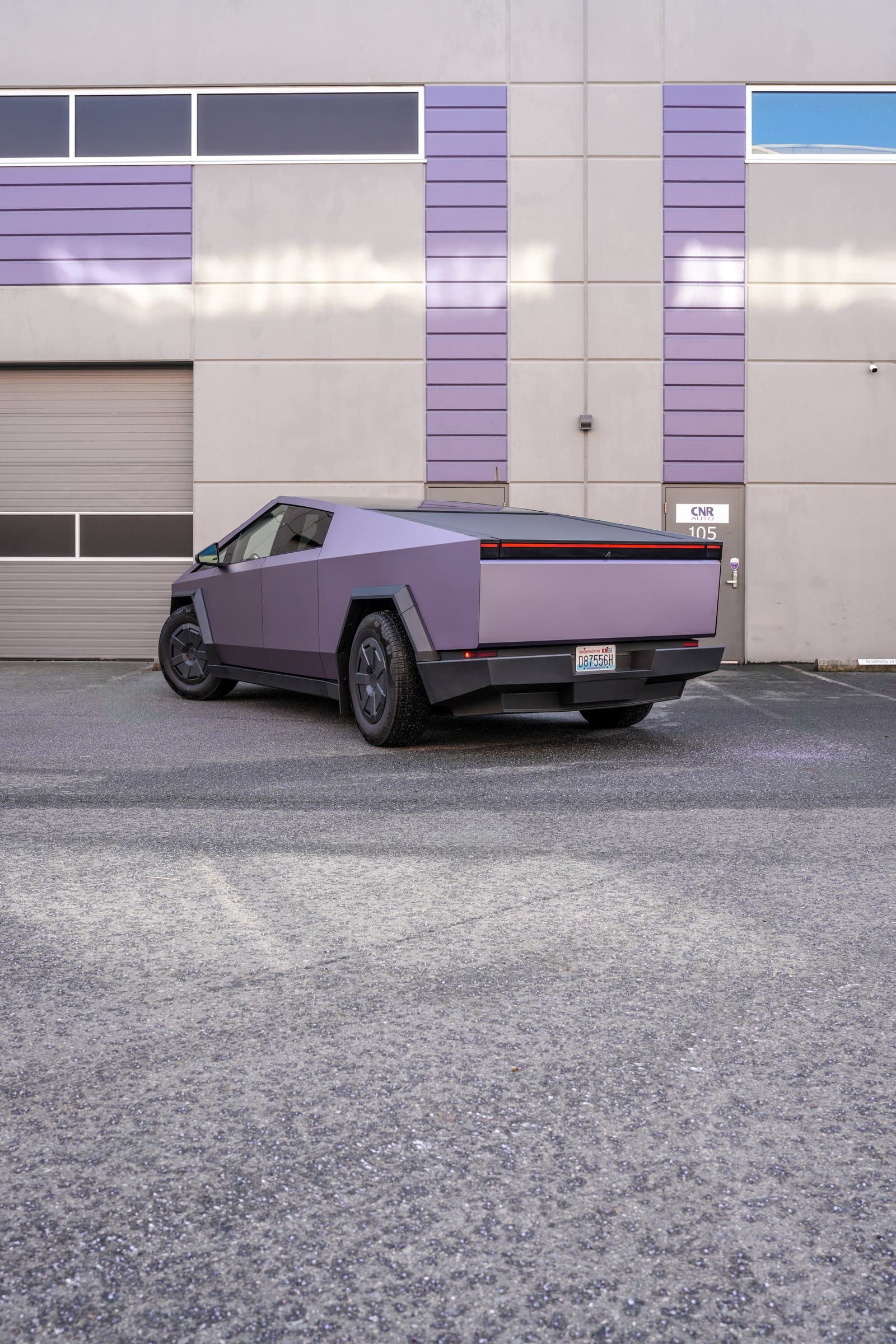
Matte finishes flatten the light instead of reflecting it. The car looks softer and more modern, and the colour appears deeper and less saturated than it would in gloss. Matte wraps suit cars with strong body lines well — the lack of reflection means every crease and surface change is visible, which can either flatter or expose a less interesting body shape. It is worth seeing a matte car in person before committing, because photographs rarely capture the effect accurately.
Satin finishes sit between gloss and matte — some light reflection but no mirror finish. They have become increasingly popular because they read as premium without the starkness of full gloss. A satin colour change can make a luxury SUV look more refined without looking modified.
Chrome and other special-effect finishes are a high-impact choice. They reflect like a mirror and are not subtle in any context. These work for owners who want the wrap to be a statement in itself.
Film Type Matters for Longevity and Maintenance
Not all colour-change films are the same, and the difference matters over the life of the wrap. The two main categories are PVC-based films and TPU-based films.
PVC films have been the standard for colour changes for years. They are available in the widest range of colours and finishes, apply cleanly on most surfaces, and have an established track record. The trade-off is that PVC is a harder material, so it has less ability to conform to complex curves without lifting at the edges. Over time, UV exposure causes PVC to contract slightly, which can lead to edge lifting if the install was not done with enough material wrapped around curves.
TPU films are a newer category. The material is more flexible and elastic, which means it conforms to complex body lines more easily and maintains its adhesion over a longer period. TPU also has genuine self-healing properties — minor surface scratches can be thermally corrected by applying heat from a heat gun or even direct sunlight. The colour range in TPU is more limited than PVC, and the cost is higher.
For Vancouver, the wet climate and temperature swings between seasons mean that edge adhesion is a real consideration. A film that lifts at the edges in year one creates a path for water to get underneath the wrap, which accelerates failure. Choosing a shop with experience in this climate and using the right film for the application is worth asking about explicitly.
What the Installation Process Actually Involves
A full colour change wrap on a sedan or SUV takes several days regardless of the film type. The timeline is not about the film itself — it is about the preparation and trimming work.
Every panel has to be thoroughly cleaned and decontaminated before the film goes on. Any particle trapped under the film will be visible permanently. Then each panel is measured, the film is cut to shape with some overlap, applied, and the edges are tucked and trimmed to sit clean against body lines, door jambs, and trim pieces. The work is meticulous.
Ask any shop you are considering how long they expect the job to take and what their quality control process is. A shop that rushes the trim work to hit a deadline will leave edges that start lifting within months. A shop that takes the time to get the tuck right will give you edges that last for the life of the wrap.
For examples of finished colour change work, browse theBMW X6 M60i 3M wrap project or theJRS Auto Customs colour-change service page.
Is a Colour Change the Right Move for Your Car
Colour change wraps work effectively when you have a clear reason for doing it. Common good reasons include wanting to personalise a leased vehicle without modifying the paint, protecting the factory finish on a new car, trying a colour before committing to a respray, or simply wanting something different without the permanence or cost of a repaint.
A poor reason is doing it because it appears to be a low-cost way to change the colour. A colour change done properly is not cheap, and a colour change done cheaply will not last. If the budget does not stretch to a quality film and a shop with a reputation for clean installations, it is worth waiting and saving rather than going with a low quote.
JRS Auto Customs handles colour change wraps on an appointment basis. If you have a specific car and a direction in mind, a good next step is to have a conversation about what is realistic for that vehicle.