
Protecting Your Colour Change Wrap Through Vancouver Winter
Published
A colour change wrap gives your car a completely different look without touching the original paint — but it introduces a new surface that behaves differently from factory paint through Vancouver's seasons. Most wrap owners know that summer heat can cause edge lifting if the film was not applied correctly. Fewer realise that autumn leaf sap, winter road salt, and freeze-thaw cycles each pose their own specific threat to the wrap and its adhesive.
Autumn: The Most Underestimated Threat
The most underestimated seasonal threat in Vancouver is autumn. Deciduous trees drop sap, pollen, and organic debris throughout October and November. When this material lands on a wrap and dries in the sun, it bonds to the film's surface and can cause staining or surface degradation. Unlike on factory paint, removing dried leaf residue from a wrap requires more care — aggressive scrubbing can scratch the film's surface. The solution is to wash the car regularly during leaf fall, and to remove any organic deposits as soon as possible rather than letting them bake on.
Winter Salt and the Adhesive at Film Edges
Winter brings a different set of challenges. Road salt — applied liberally across Vancouver streets, highways, and bridge surfaces throughout the cold months — is corrosive to the adhesive at the film's edges. If salt is allowed to accumulate in the gaps around mirrors, door handles, and trim pieces, it can work its way under the film and begin to lift the edge. Rinsing the lower edges and panel gaps with clean water after driving on salted roads is the most effective at-home countermeasure. A professional decontamination wash at the start and end of winter removes salt residue that rinsing alone cannot shift.
Freeze-Thaw Cycles and Edge Lifting
Freeze-thaw cycling is a more subtle threat. Water that finds its way under film edges — from a pressure wash at the wrong angle, or from inadequate drying after a wash — can freeze and expand, physically forcing the film away from the panel. This is one of the reasons why the angle and technique used when washing a wrapped car matters. Never direct a pressure washer at film edges at a steep angle, and always dry the car thoroughly after washing, particularly around trim seals and panel joins.
Gloss, Satin, and Matte Wraps in Winter
Not all wraps respond equally to winter conditions. Gloss wraps are generally the most resilient and easiest to maintain through the cold months. Satin wraps require slightly more care to avoid introducing surface hazing. Matte wraps need the most attention — road salt can settle into the texture of a matte film and cause an uneven appearance if not removed promptly. Knowing your wrap finish going into autumn lets you plan the right maintenance routine for the months ahead.
Wrap Longevity and the Cost of Neglect
There is also a practical consideration around wrap longevity in Vancouver's climate. A well-maintained wrap on a daily-driven vehicle in Vancouver typically performs well for four to six years before showing signs of wear at the most exposed edges. Neglecting winter maintenance — particularly allowing salt to accumulate at film edges — can shorten that lifespan noticeably. The cost of regular washing and the occasional professional decontamination is considerably less than the cost of an early wrap replacement.
Adding Ceramic Coating Over a Wrap
One option worth considering before winter arrives is a ceramic coating applied over the colour change wrap. This is available for both gloss and matte finishes and adds a hydrophobic, UV-blocking layer on top of the film. It does not change the appearance of the wrap, but it makes the surface easier to clean, adds a layer of chemical resistance against road salt and pollutants, and can extend the overall lifespan of the wrap. JRS Auto Customs offers this as an add-on service for wrapped vehicles.
What Vancouver Wrap Owners Should Do Before the Wet Season
The bottom line for Vancouver wrap owners is straightforward: autumn preparation, consistent winter washing, careful drying technique, and prompt removal of road salt are the four practices that will get the most life out of a colour change wrap in this climate. If you are not sure whether your wrap needs attention before the wet season starts, our team at JRS Auto Customs can take a look. We also offer colour change wrap installations and maintenance services, including the option to add a ceramic top coat for additional protection through the winter months. Book an appointment to have your wrap inspected before the cold season arrives.
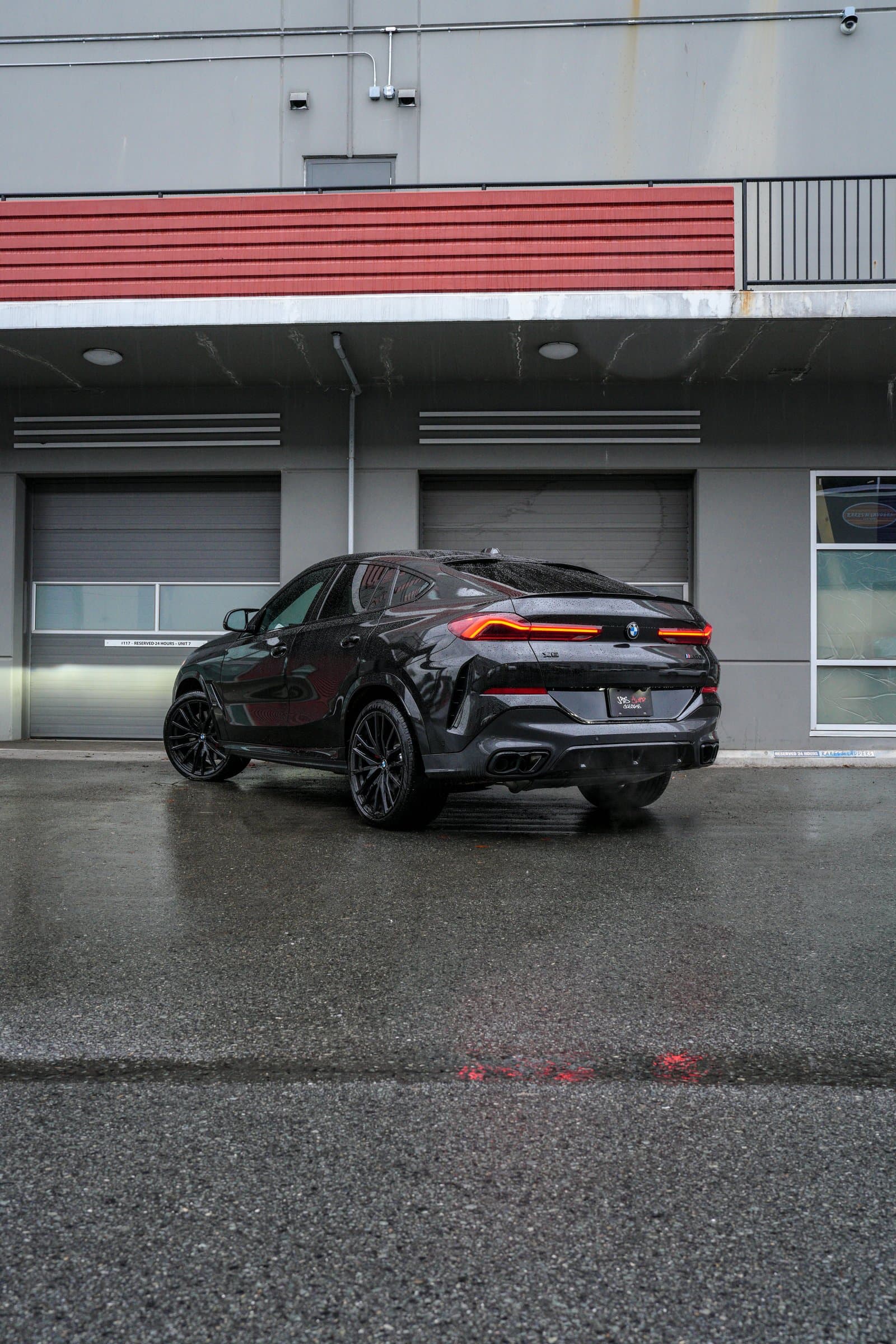
Related project: BMW X6 M60i — Metallic Black 3M Wrap