
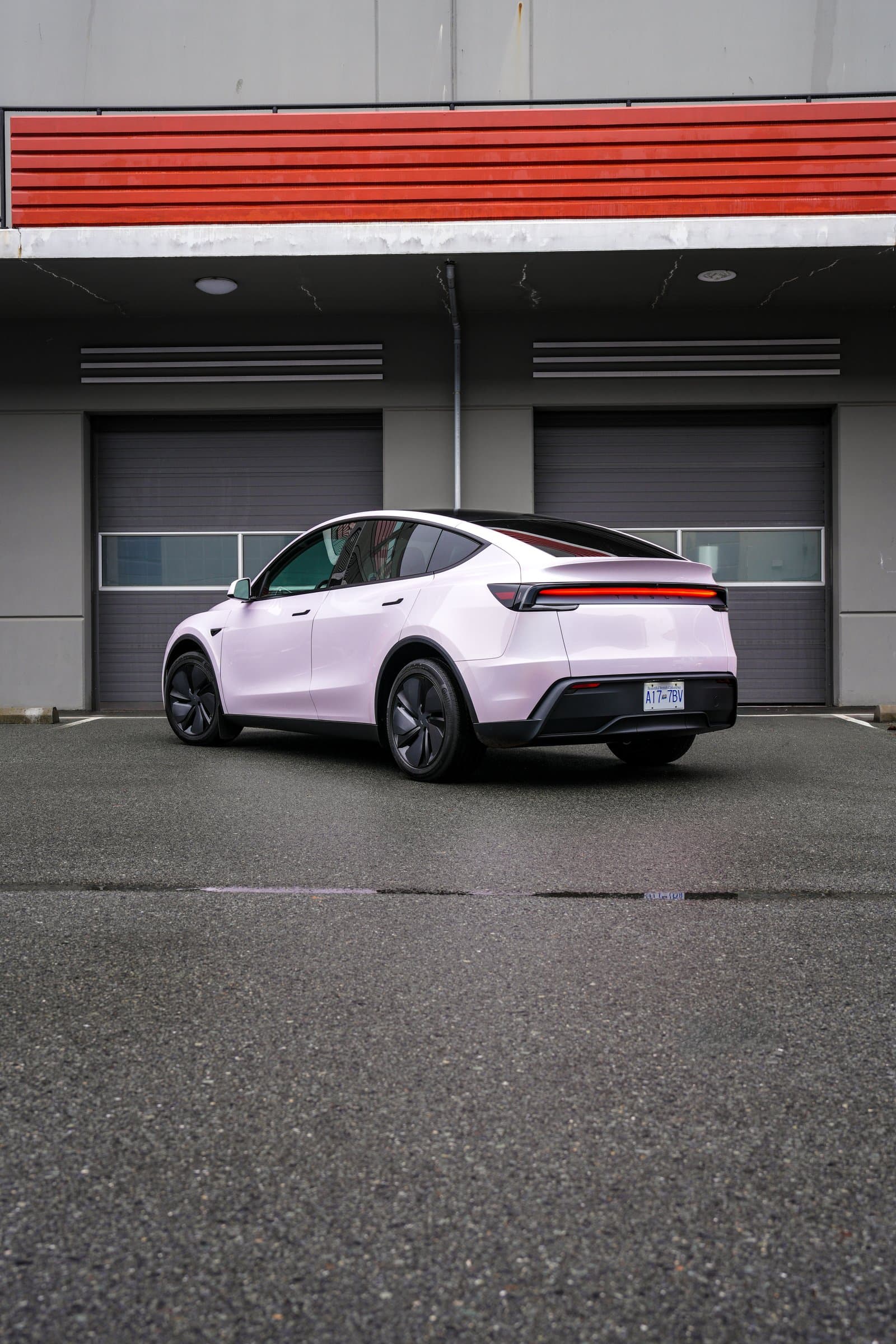
Colour Change Wraps: What Vancouver Drivers Need to Know
Published
Colour change wraps have become one of the most visible ways Vancouver drivers personalise their vehicles. A Tesla that was white last week can be silver or satin purple today; a Porsche that left the factory in black can become racing green without a drop of paint. But beyond the visual transformation, there are practical questions that matter in Vancouver's climate and driving conditions. This guide covers what colour change wraps actually involve, what options are available, how they perform in Vancouver, and what to think about before deciding.
What a Colour Change Wrap Actually Is
A colour change wrap is a large-format vinyl or TPU film applied directly over your car's factory paint. The film is printed or cast in the target colour, then cut to match your vehicle's panels and laid down with heat and pressure. When done correctly, the result looks like paint from a short distance, but can be removed without damaging the original finish underneath.
The key material distinction is between PVC (traditional vinyl) and TPU (thermoplastic polyurethane). PVC is less expensive and has been the standard for years. TPU is newer, more durable, and more expensive. For Vancouver's climate, the difference matters.
TPU vs PVC: Why the Material Choice Matters in Vancouver
TPU film is more resistant to stone chips, road salt, and moisture that Vancouver roads expose cars to every day. It has self-healing properties -- minor scratches that would permanently mark PVC close up under heat from the sun or a heat gun. TPU is also more resistant to UV exposure that causes colour fade over time, relevant for vehicles parked outside year-round in Vancouver's variable sun.
PVC wraps look excellent when first applied, but they age more quickly in Vancouver conditions. The combination of rain, salt, UV exposure, and frequent washing means PVC typically shows its age faster. A well-maintained TPU wrap can last four to six years in Vancouver conditions; a PVC wrap may start to lift, discolour, or fade within two to three years in the same conditions.
The higher upfront cost of TPU is offset by its longevity. If you are keeping the car for several years in Vancouver, TPU is generally the more cost-effective choice over the life of the wrap.
How Colour Change Wraps Perform in Vancouver's Climate
A professionally installed colour change wrap holds up well to Vancouver weather. The film is waterproof, so rain does not affect it. Salt spray from winter roads does not corrode the film surface the way it attacks bare metal or unprotected trim. Because the wrap seals the factory paint underneath, it provides genuine protection against the chips and scratches that lead to rust on Vancouver roads.
The main vulnerability is installation quality. A wrap that was not properly prepped -- with the paint surface not fully decontaminated, or with adhesive not applied at the correct temperature -- will lift at the edges, particularly at the front of the car and around door handles. In Vancouver wet climate, an edge lift is not just cosmetic: water gets underneath and causes the film to fail faster.
JRS Auto Customs installs colour change wraps in their Vancouver workshop, with film from brands including 3M and their own TPU formulations. They handle surface preparation and post-install quality checks that prevent edge lifting in the local climate.
Maintenance: Keeping a Colour Change Wrap in Good Condition
Colour change wraps require less maintenance than paint, but not none. Hand washing with a pH-neutral car wash soap is the baseline. Pressure washing is acceptable on TPU wraps at a safe distance; on PVC wraps it is more likely to force water under the film at the edges. Automatic car washes with brushes should be avoided -- they can catch an edge and pull the film.
Chemical contaminants that would etch paint -- bird droppings, tree sap, bug impact -- need to be cleaned off promptly from a wrap as well. The film is more resistant than paint, but leaving contaminants sitting for days increases the risk of staining or surface degradation.
If the wrap is TPU, a periodic ceramic coating top-up over the film can add extra chemical resistance and extend the film's lifespan. Ask your installer about this option when you book the wrap.
Colour Change vs. Repainting: What Makes Sense for Vancouver Drivers
Repainting a car costs more than a quality TPU colour change wrap for most vehicles. A repaint uses the car's original paint surface, which means if the car is ever returned to its original colour or sold, the factory paint is still intact under the wrap. This is particularly relevant in Vancouver's used car market, where factory-original paint adds value.
The other practical consideration is reversibility. A colour change wrap can be removed in a day, returning the car to its original colour. A repaint cannot be reversed without another repaint. If you change vehicles frequently, or like to personalise for a season or an event, a wrap makes more practical sense than paint.
JRS Auto Customs handles full colour change wraps for all makes and models in Vancouver, including TPU colour changes, specialty finishes, and two-tone roof wraps. They can advise on whether a wrap or a repaint makes more sense for your specific vehicle and usage.
Colour Change Wraps at JRS Auto Customs -- browse their portfolio of completed wraps to see what is possible.
Related project: Tesla Model Y Iridescent Rose Pink TPU Wrap