
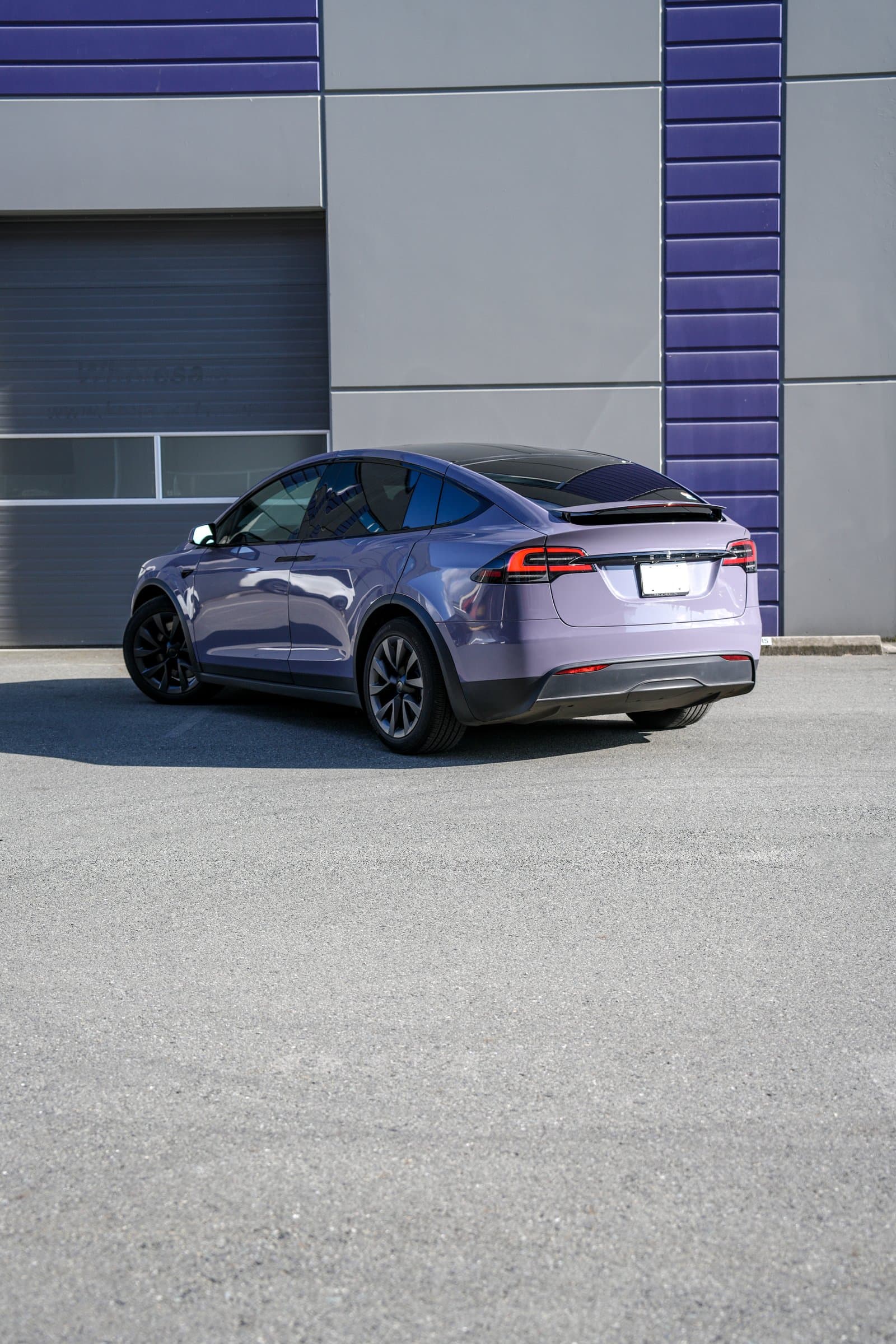
What EV Owners Should Know About Car Customisation
Published
Electric vehicles have different design philosophies, different weight distributions, and different ownership patterns than internal combustion vehicles. When it comes to customisation and protection, these differences create considerations that do not apply to petrol cars -- and ignoring them means making decisions based on advice that was not written for your vehicle.
Weight and Aerodynamics: Why EV Customisation Is Different
Electric vehicles are significantly heavier than their petrol equivalents due to battery mass. A Tesla Model X weighs considerably more than a petrol SUV of comparable size. This extra weight affects suspension geometry, brake wear rates, and tyre selection. When considering wheel upgrades or aero modifications on an EV, the additional unsprung mass matters more than on a lighter petrol vehicle. Wheel upgrades that reduce weight -- particularly switching from heavier cast wheels to flow-formed or forged alternatives -- have a more meaningful effect on handling and efficiency for an EV than for a comparable petrol car.
Aerodynamic modifications on an EV also interact differently with the vehicle's design philosophy. Many EVs are already optimised for low drag at the design stage -- the underbody is often flat, the grille is closed, and the body is shaped to manage airflow. Adding aero elements to an EV that already has these optimisations requires a different understanding than adding them to a petrol car where aerodynamic development was less of a priority.
Paint Protection for EVs: Special Considerations
EVs present specific paint protection challenges that differ from petrol vehicles. The large panoramic glass roofs common on most EVs -- including Tesla, BMW iX, and Mercedes EQS -- create UV exposure patterns that are different from conventional metal roofs. The glass absorbs and transmits UV differently than painted metal, but the painted roof sections and side panels surrounding the glass still require the same protection as any other painted surface.
The weight of EVs also affects brake wear in a way that has implications for protection. Because of regenerative braking, many EV drivers use their friction brakes less frequently than petrol car drivers, which means brake dust production is lower -- but when the friction brakes are used, they may be subject to more sudden, heavy braking loads. For owners who track or drive spiritedly, this means brake component wear patterns differ from petrol vehicles and should be monitored accordingly.
Wheel and Tyre Selection for Electric Vehicles
Tyre selection for EVs requires more care than for petrol vehicles. The instant torque available from electric motors means that tyres experience higher cornering and acceleration forces than the equivalent petrol vehicle would generate from a standstill. This puts more stress on the tyre sidewall and contact patch. Tyres rated for EV use are formulated to handle the higher torque loads and heavier vehicle weight, and they typically also have lower rolling resistance to maximise range. Using non-EV-rated tyres on an electric vehicle can result in faster wear, reduced range, and in some cases handling characteristics that are not optimised for the vehicle's weight and power delivery.
Wheel selection for EVs should consider the additional weight of unsprung components. Forged wheels are more expensive than cast wheels but offer significant weight savings -- and on an EV, that weight saving translates more directly into improved range efficiency than on a petrol vehicle. For owners who prioritise range, lighter wheels are a meaningful investment.
Colour Change and Wrapping an EV
Colour change wrapping is as viable on an EV as on a petrol vehicle, with a few specific considerations. The large smooth panels common on EVs -- particularly on Tesla vehicles -- mean that wrapping large surface areas is often more straightforward than on vehicles with complex body lines and extensive plastic trim panels. However, the precise panel gaps on vehicles like the Tesla Cybertruck, with its stainless steel panels, require a specialist approach. Many Tesla owners choose colour change wraps specifically to protect the underlying finish, which brings the same protection benefits as on a petrol car.
Interior customisation on EVs is an emerging area. The minimalist interior designs of most EVs -- large screens, flush surfaces, minimal physical controls -- offer fewer customisation opportunities for traditional interior upgrades, but wrap and trim options for panels, accent pieces, and trim strips are available and are a growing part of EV customisation.
Making the Right Protection Choices for Your EV
Paint protection film and ceramic coating are as relevant for EVs as for petrol vehicles -- the paint on a Tesla or BMW i is as susceptible to stone chips, UV damage, and contamination as the paint on any other vehicle. The specific considerations for EVs do not change the fundamental value of paint protection; they change which areas are most worth protecting and which products are best suited to the vehicle's specific surface types.
If you own an electric vehicle in Vancouver and are considering customisation or protection, JRS Auto Customs has experience with EV vehicles including Tesla and BMW i models. Explore colour change options for your EV, or learn about PPF protection for electric vehicles.
Related project: Tesla Model X — Provence Purple Color Change