Forged vs Cast vs Flow-Formed Wheels | Vancouver Driver
Published
Aftermarket wheel marketing is full of terms that sound impressive but are not always explained. Forged, flow-formed, and cast are three distinct manufacturing processes, and the difference between them affects weight, strength, cost, and how the wheel performs over the lifetime of the car. Understanding what they actually mean helps you make a better purchasing decision.
How the Manufacturing Processes Differ
Cast wheels are produced by pouring molten aluminium into a mould. The metal solidifies in the shape of the wheel, is removed, and then machined to final tolerances. This is the least expensive production method, and the microstructure of the metal — the arrangement of grains in the aluminium — is determined by the cooling rate in the mould, which is relatively random and coarse.
Flow-formed wheels start as a cast barrel, then the outer section is heated and pressed with a roller that stretches and thins the aluminium while spinning. This process aligns the metal grain structure along the direction of the stretch, making the barrel stronger and lighter than a standard cast wheel of the same design. The spokes are still cast, so the weight saving is concentrated in the area that benefits most: the outer rim.
Forged wheels are made from a single piece of billet aluminium or a forged blank that is pressed into shape under thousands of tonnes of pressure. The grain structure is compressed and aligned in the direction of the force, creating a microstructure that is denser and more uniform than any cast product. The result is a wheel that is significantly stronger for its weight than either cast or flow-formed alternatives.
What That Difference Means on a Vancouver Car
Unsprung weight — the weight of everything not supported by the suspension — has a disproportionate effect on how a car handles. Reducing unsprung weight improves the car's ability to follow road contours, reduces the force transmitted to the suspension on bumps, and makes the steering feel more responsive. A lighter wheel reduces the rotational inertia the suspension has to control every time the road surface moves.
For a daily driver in Vancouver, the practical difference is noticeable on rough road surfaces. A forged or flow-formed wheel reduces the harshness felt through the steering wheel and seat over patched roads and expansion joints. On a performance car or one with sportier suspension, the difference in steering response is perceptible — the wheel changes direction more quickly because less mass has to accelerate and decelerate at each corner.
The other practical consideration in Vancouver is corrosion resistance. Road salt in the Lower Mainland attacks wheel finishes, and the alloy composition matters as much as the surface treatment. Flow-formed and forged wheels are typically made from higher-purity aluminium alloys that resist corrosion better than the recycled aluminium often used in budget cast wheels.
When Each Type Makes Sense
A quality cast wheel is appropriate for budget-conscious drivers who want a specific look without the cost of a premium wheel. The key word is quality — not all cast wheels are made to the same standard, and a poorly cast wheel with thin sections or inconsistent metallurgy can crack under load. Look for cast wheels that meet or exceed JWL and VIA standards.
Flow-formed wheels offer a meaningful upgrade in performance at a moderate price increase over cast. The weight saving in the barrel is the most valuable for handling, and the improved metallurgy usually means better corrosion resistance. For a driver who wants better handling response and better ride quality without the cost of a full forged wheel, flow-formed is the practical choice.
Forged wheels are the performance choice. The weight saving and strength advantage are most noticeable on a car that is driven enthusiastically, on a track, or on rough roads where the suspension is working hard. The cost premium is real and justified only if the performance benefit will be used. For a daily driver that sees primarily urban and highway use, a high-quality flow-formed wheel will deliver most of the benefit at a lower price.
Getting Wheels on Your Car in Vancouver
Wheel selection also involves fitment — the correct diameter, width, offset, and bolt pattern for your specific vehicle. An incorrectly fitted wheel can affect steering geometry, rubbing the tyre against the suspension or bodywork, or cause vibration at speed. JRS Auto Customs handles wheel fitment assessment and installation as part of its wheel upgrade service, and the team can advise on which construction type suits your vehicle and driving patterns. Explore the wheel upgrade options at JRS Auto Customs.
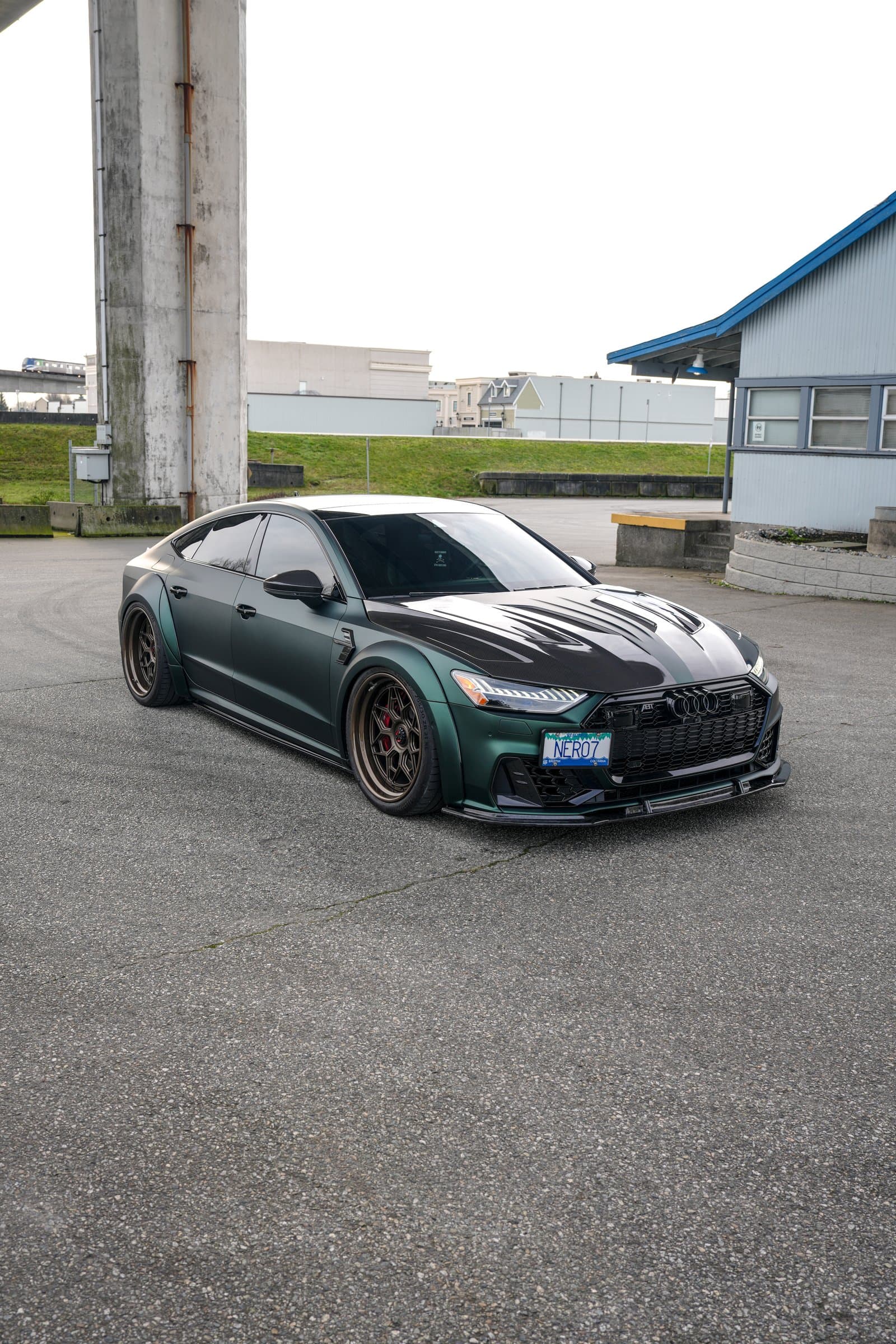
Related project: Audi S7 Sportback Forgelite Wheels