
Cast vs Flow-Formed vs Forged Wheels — What Drivers Need
Published
Wheel upgrades are one of the most visible modifications you can make to a car — and one of the most misunderstood. The conversation at JRS Auto Customs often starts with a customer pointing at a set of forged wheels and asking: is that really worth it over a cheaper cast set? The short answer is: it depends on how you drive, what you prioritise, and how long you plan to keep the car. This guide breaks down the actual differences between cast, flow-formed, and forged wheels so you can make an informed decision.
What Makes a Wheel Cast, Flow-Formed, or Forged
The difference starts in the factory. Cast wheels are made by pouring molten aluminium into a mould. It is a cost-effective process that produces a wide range of wheels at accessible prices. Most OEM wheels are cast. The metal structure in a cast wheel has relatively large grain boundaries, which means it is more prone to cracking under sustained stress and more susceptible to fatigue over time.
Flow-formed wheels — sometimes called semi-forged — start as a cast barrel that is then spun and pressed on a mandrel while heated. This stretches and thins the barrel, compressing the aluminium grain structure to something closer to a forged wheel. Flow-formed wheels are lighter and stronger than a standard cast wheel, at a cost that sits between cast and fully forged. Most quality aftermarket brands offer flow-form as their mid-tier option.
Forged wheels are made from a solid billet or slug of aluminium that is pressed at extreme pressure — sometimes over 10,000 tonnes — in a heated die. The forging process produces a grain structure aligned with the wheel's load path, making the material significantly stronger and more resistant to impact fatigue. A forged wheel is typically 20-30% lighter than an equivalent cast wheel and can withstand the kind of road impacts — potholes, kerbs, ferry ramps — that crack cast wheels.
What This Means for Vancouver Roads
Vancouver drivers face a particular combination of conditions: cracked asphalt, winter potholes that open up overnight, steep ferry ramps, and mountain roads with rough chipseal. If you are commuting across the North Shore or heading to Whistler on weekends, your wheels take more punishment than most city drivers realise.
A cast wheel on a car with sport suspension and low-profile tyres is a fragile combination in this environment. A pothole impact that a forged wheel might shrug off can crack or bend a cast wheel on the first hard hit. Flow-formed wheels offer a meaningful upgrade in impact resistance and are a practical choice for most enthusiasts. Fully forged wheels are the right call for drivers who want maximum durability with minimum weight — track day users, serious mountain-road drivers, and anyone who has cracked cast wheels before.
Weight, Handling, and the Daily-Driver Reality
Reducing unsprung weight — the weight not supported by the car's suspension — has a disproportionate effect on how a car feels. Lighter wheels mean the suspension responds faster, braking distances shorten, and acceleration improves. On a daily driver that also sees spirited driving, these are genuine, measurable improvements rather than cosmetic ones.
The honest caveat: the difference between a quality flow-formed wheel and a forged wheel on a street-driven car is smaller than the difference between cast and flow-formed. If your car does not have adjustable suspension, track-day ambitions, or a serious weight-reduction goal, a well-made flow-formed wheel may give you 90% of the benefit at a noticeably lower price. Forged wheels shine when the vehicle's capability matches the wheel's — a sports car, a modified daily with upgraded suspension, or a car that sees regular hard use.
Caring for Aftermarket Wheels in Vancouver's Climate
Vancouver's wet winters mean brake dust, road salt, and moisture accumulate on wheel faces quickly. For any aftermarket wheel — cast, flow-formed, or forged — the same rules apply: clean them regularly with a pH-neutral wheel cleaner and a soft brush, avoid acidic or abrasive cleaners that damage the finish, and dry them after washing to prevent water-spot etching.
For multi-spoke designs or wheels with exposed hardware, pay attention to the wheel bolts or nuts. Road salt works its way into threads and accelerates corrosion, particularly on older hardware. Having them inspected and re-torqued at each seasonal tyre change is a small habit that prevents bigger problems.
Getting a Wheel Upgrade Right
The most common mistake when upgrading wheels is choosing a size or offset that stresses the suspension components or causes tyre rub. Before ordering a set, make sure the fitment is correct for your vehicle — wrong offset can wear through control arm bushings and affect handling balance. At JRS Auto Customs we can walk you through the correct specifications and show you real examples of completed wheel upgrades on our portfolio page.
If you are considering a set of wheels for your car and want to understand your options, reach out — we are happy to talk through fitment, style, and what makes sense for how you actually drive. Visit our wheels service page to learn more about what we offer.
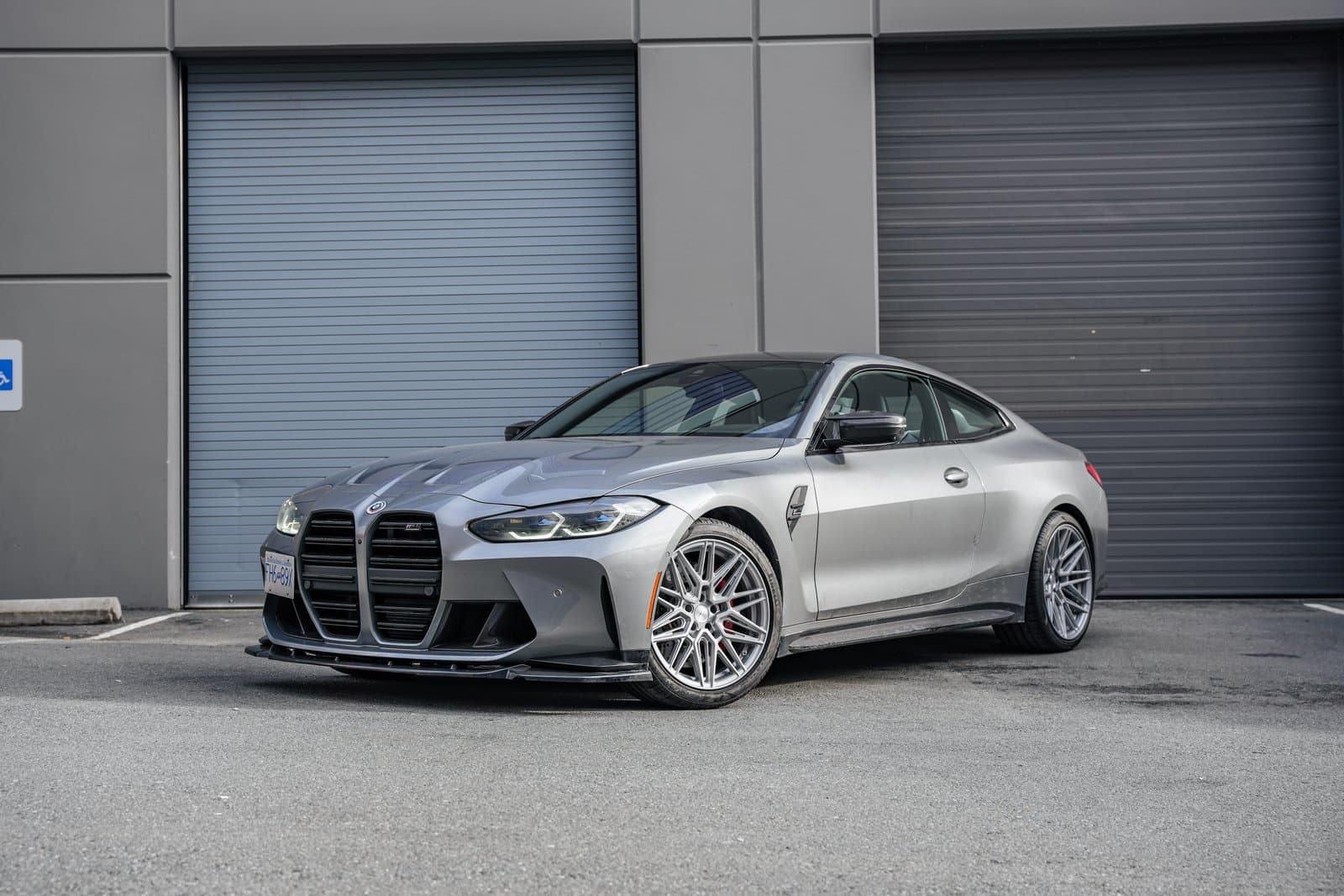
Related project: BMW M4 G82 on Vossen HF7 Hybrid Forged Wheels