
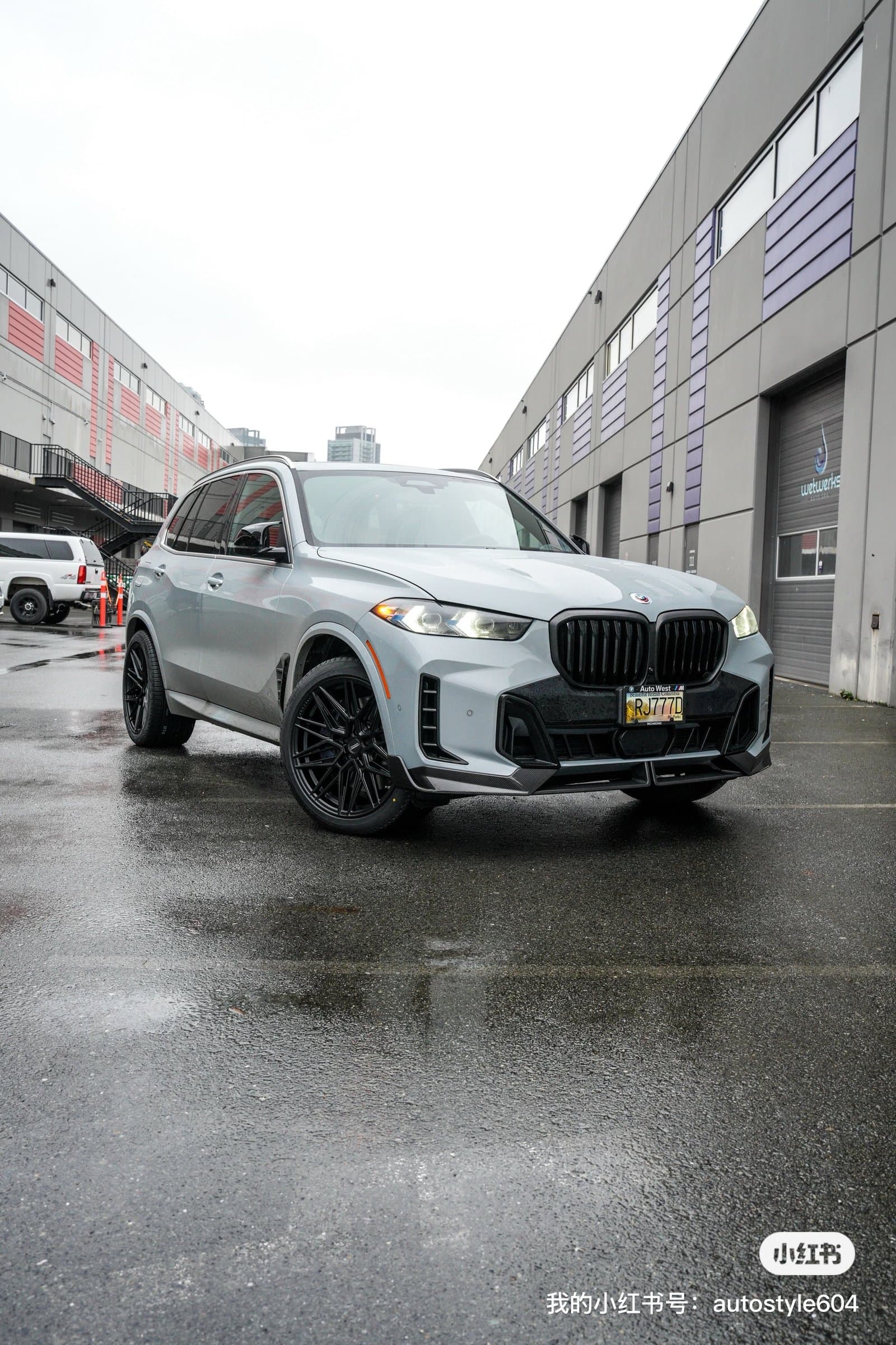
Forged vs Cast Wheels: What Vancouver Drivers Should Know
Published
Walk into any Vancouver wheel shop and you will see the same range of options: some wheels carry a serious price tag, others look good at a fraction of the cost. The price difference is not arbitrary. How a wheel is made — forged or cast — is one of the biggest factors in its performance, weight, and longevity.
For Vancouver drivers in particular, this choice matters more than in other cities. Our wet roads, parkade entrances, and mix of highway and city driving create specific demands on wheels. Here is how to think about it.
What Casting and Forging Actually Mean
Casting is the older and simpler process. Molten aluminium is poured into a mould and allowed to cool. The resulting wheel is structurally sound for everyday use, and the mould process allows for complex spoke designs at relatively low cost. Most OEM wheels and most budget aftermarket wheels are cast.
Forging starts with a solid block of aluminium billet. Enormous pressure — often thousands of tonnes — is applied to shape the metal without melting it. Because the grain structure of the metal is preserved and aligned rather than solidified from a liquid, the resulting wheel is significantly stronger for its weight. Forged wheels are what performance manufacturers reach for when they need to reduce unsprung weight without sacrificing structural integrity.
Weight and Unsprung Mass
Unsprung mass — the weight of components not supported by the vehicle's suspension — has a direct effect on how the car rides and handles. Wheels are one of the largest contributors to unsprung mass. Reducing wheel weight improves acceleration feel, braking response, and suspension compliance simultaneously.
A forged wheel of the same size as a cast wheel is typically 20 to 30 percent lighter. For a daily driver, that difference is noticeable in day-to-day driving. For a performance vehicle, it is a meaningful handling gain.
Strength and Impact Resistance
Forged wheels are not just lighter — they are harder. The grain-aligned structure of a forged wheel resists cracking and bending under impact better than cast metal. A severe pothole that might crack a cast wheel may bend a forged wheel without cracking it, which is a recoverable condition; a cracked cast wheel typically needs replacement.
This matters in Vancouver specifically because our potholes are a known hazard. The combination of freeze-thaw cycles in winter and heavy commercial truck traffic on many Lower Mainland roads creates road surface conditions that can be punishing for wheels. Forged wheels offer a meaningful margin of safety here.
Cost and What You Are Paying For
There is no getting around it: forged wheels cost more. The tooling and presses required for forging are expensive, and the process itself is slower than casting. A single forged wheel can cost two to four times as much as a comparable cast wheel.
For a daily driver that sees mostly city and highway commuting, a quality cast wheel from a reputable brand is entirely adequate. For someone who drives a performance car, tracks their vehicle, or simply wants the best combination of aesthetics and durability, the forged premium makes sense.
Which Is Right for Your Vancouver Car
The honest answer depends on your priorities and your vehicle. A sports coupe or performance sedan benefits from the weight reduction and strength of a forged wheel. A luxury SUV used primarily for commuting does not necessarily need forged wheels — but it may still benefit from an upgrade to a quality aftermarket cast wheel with better load rating and corrosion resistance than the OEM option.
JRS Auto Customs offers wheel upgrades in Vancouver across a range of styles and construction types. The team can walk you through what fits your vehicle, your driving patterns, and your budget. A conversation about forged versus cast wheels before you buy means you end up with wheels that are right for your car, not just the most expensive option.
The Bottom Line
Forged wheels are lighter, stronger, and more resistant to impact damage than cast wheels — but they carry a meaningful price premium. For Vancouver drivers, the added impact resistance is a genuine practical benefit given the condition of many Lower Mainland roads. If you drive a performance vehicle or want the best long-term investment in your wheels, forged is the clear choice. For most daily drivers, a quality cast wheel from a reputable manufacturer is perfectly adequate — just make sure the load rating matches your vehicle.
Browse the wheel upgrade options available at JRS Auto Customs in Vancouver to see what fits your car.
Related project: BMW X5 Vossen HF7 Wheel Upgrade