
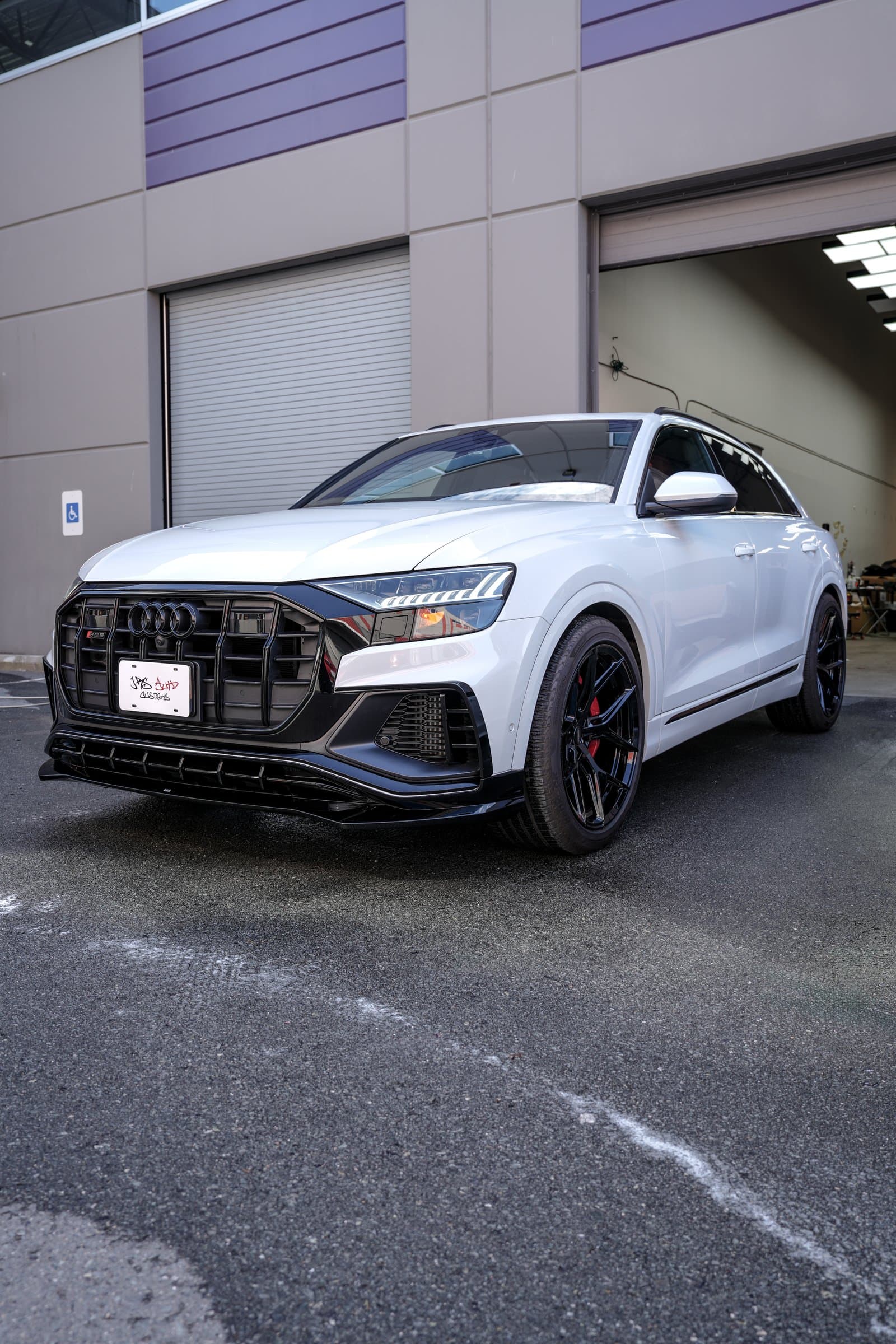
How to Know If an Aero Kit Is Worth It for Your Car
Published
If you have been looking at aero kits for your car, you have probably run into a range of options from mild lip spoilers to full over-fender wide-body kits. The price range reflects a wide spectrum of what they actually do. Before investing, it is worth understanding what functional aero adds versus what is purely aesthetic, and how that trade-off changes depending on how and where you drive in Vancouver.
Functional Aero vs Aesthetic Aero
The distinction matters because it affects both cost and suitability. Functional aero parts are designed to manipulate airflow to generate downforce — the negative lift that presses the car into the road at speed. This requires specific geometry, careful mounting, and often a diffuser or rear wing element that works at the angles and speeds the car actually sees in normal driving. Lip spoilers, canards, and brake cooling ducts can add genuine aero benefit at the right speed and angle.
Aesthetic aero — including many body kits sold as complete packages — adds the look of aero without the geometry to generate meaningful downforce. The large fibreglass or ABS pieces increase frontal area and drag without producing a functional aerodynamic benefit. On a daily driver that does not see track use, this adds weight and wind noise for no mechanical return.
Parkades and Daily Driving in Vancouver
One of the most practical concerns for Vancouver drivers considering an aero kit is parkade clearance. Multi-level parkades in the city have fixed entrance heights and ramp angles that can catch low-hanging aero parts. An aero kit that protrudes below the factory bumper line can scrape on entry ramps, speed bumps, and angled garage floors. This is not theoretical — it is one of the most common reasons we see customers with damaged aero kits.
Before installing any aero kit on a daily-driven car, measure the approach angle of your usual parkade entrances and garage. Bring those numbers to the installer. A kit that looks great on a flat surface may be unusable in a real-world parkade.
When Functional Aero Makes Sense on a Daily Driver
The clearest case for functional aero on a daily-driven car is when the geometry matches your actual driving. On a car that regularly sees highway driving on Highway 1 or the Port Mann Bridge, a properly designed front splitter and rear lip or wing adds measurable downforce at motorway speeds — improving high-speed stability and reducing lift-induced understeer.
On a car that spends most of its time in city driving and parkades, the benefit is substantially reduced. City speeds rarely reach the threshold where most functional aero parts generate meaningful downforce. For a car driven 90 percent in stop-start traffic, the aerodynamic argument for an aero kit is weak.
If you are deciding between a functional aero kit and a cosmetic one, speak with JRS Auto Customs before committing — we can assess whether the geometry makes sense for your actual use.
What to Check Before Installing an Aero Kit
Several practical checks will tell you whether an aero kit is worth the investment on your car. First, confirm the approach angle of your most-used parkade and garage entries. Second, establish whether the kit you are considering was designed for your specific model year and body style — universal kits often require significant modification that voids fit and finish. Third, review the mounting system. Properly engineered aero kits bolt to structural points in the chassis, not to body panels alone. Panel-mount aero can crack paint and deform under airflow loads.
Material choice matters in Vancouver's climate. Fibreglass kits are rigid and can crack from road stone impacts or temperature cycling. ABS plastic is more impact-resistant but may yellow with UV exposure. Carbon fibre is the most durable option but is the most expensive. For a daily driver, a quality ABS or properly finished fibreglass kit is usually the practical choice.
Aero Kits, Vancouver Roads, and Winter
Vancouver roads in winter present a specific challenge for aero kits: road salt, grit, and ice chunks can damage low-hanging aerodynamic components. After a snowfall or during road treatment season, an aero kit that sits close to the road surface may need to be removed or protected. Some owners use flexible aero deflectors that can flex rather than crack, or remove lower aero elements during winter months.
If you are planning to run your aero car year-round in Vancouver, discuss winter storage or removal with your installer before the kit is fitted. A fixed aero kit that cannot be removed or protected will see accelerated wear from winter road conditions.
JRS Auto Customs in North Vancouver advises on aero kit installation and removal. If you are considering an aero kit for your vehicle, book a consultation to discuss whether the geometry is right for your driving patterns and parkade setup.
Related project: Audi SQ8 ABT Body Kit & Vossen HF5 Wheels