
Interior Detailing: When Your Car Cabin Needs Attention
Published
Vancouver's weather is easy to love and easy to underestimate. Rain, damp air, and road salt do obvious work on your car's exterior, but the interior takes its own quiet damage — often without you noticing until the smell hits you or the window fog will not clear. Interior detailing is the response, and understanding when to book it matters as much as knowing what it includes.
What Interior Detailing Actually Covers
Interior detailing is not just a thorough vacuum. A proper detail breaks the cabin into components and addresses each one: floor mats and carpets, seat surfaces, the dashboard and instrument cluster, door panels, the centre console, vents, cup holders, and any visible glass inside the car. Each surface gets a different treatment — fabric seats are extracted and shampooed, leather is conditioned, plastics are cleaned and dressed, and all glass is polished to remove haze and residue.
The goal is a cabin that is genuinely clean, not one that looks clean from the driver's seat while the grime hides in the seams and crevices. That distinction is what separates detailing from a basic car wash.
Why Vancouver's Climate Makes This More Urgent
The wet season in Vancouver runs roughly October through March. During that stretch, rain-soaked shoes, wet jackets, pet paws, and the occasional forgotten umbrella bring moisture into the car every single day. That moisture settles into carpet fibres, gets trapped under floor mats, and accumulates in places that are hard to dry out completely — especially if the car is parked in an underground parkade, where the temperature stays cool and damp air has nowhere to go.
The consequences show up gradually. Damp carpet and padding can develop a stale smell even when the surface looks fine. Foggy windows in the morning — that takes longer to clear than it used to — are often a sign that moisture is building up inside the cabin rather than dissipating. In extreme cases, mould can establish itself in the carpet padding or under the seats if the car has sat unused for a while with residual moisture present.
Salt from winter roads does not stay on the undercarriage. It gets tracked inside on shoes and paws and settles into the carpet fibres, where it holds moisture and accelerates wear. By spring, the carpet in the footwells of a daily-driver can be carrying a season's worth of salt residue that a standard vacuum does not fully extract.
Signs Your Cabin Needs Attention
The window fog test is a reliable one. If your windscreen fogs up on the inside and takes noticeably longer to clear than it did when the car was new, there is moisture accumulating in the cabin that is worth addressing. Other signals include a persistent stale or musty smell, visible staining on the carpet or seats, a greasy feel on the dashboard, and condensation in the corner of a window that does not belong there.
Pets introduce their own timeline. If you drive with dogs regularly, fur works its way into seat seams and floor edges, and the moisture from wet paws settles into the carpet quickly. Interior detailing with a deep extraction clean is usually needed every few months for active pet owners.
The Seasonal Window in Vancouver
Late summer and early fall — roughly August through October — are the best times to book interior detailing before the wet season sets in. A clean, dry cabin going into October handles moisture better, and a treatment applied before the rain starts has the best chance of lasting through the season without developing problems.
Spring after the wet season also works well, especially to address any issues that developed over the winter. Many drivers find that an interior detail in April or May refreshes the cabin after a long damp stretch and catches problems before summer heat can bake in any remaining odours.
DIY or Professional Detail
Explore full interior and exterior detailing options at JRS Auto Customs
A basic interior vacuum and wipe-down handles the surface layer and is worth doing regularly. But reaching the carpet padding, the seat ventilation channels, the AC vents, and the deeper crevices in the centre console usually requires professional-grade extractors, appropriate cleaning agents for each surface type, and the time to do it properly.
For most Vancouver drivers who use their car daily, a professional interior detail once or twice a year — once before the wet season and once after — is a practical cadence. Those who use their car for work, share it with pets, or park outdoors through winter may need it more frequently.
What Comes After the Detail
A few habits keep the cabin in good shape between details. Floor mats that can be removed and hosed off make a significant difference — rubber or all-weather mats in Vancouver's climate are worth the investment. Parking with the windows cracked slightly on dry days helps the cabin breathe and dry out. Keeping the AC on recirculation in the wet season and switching to fresh air mode periodically helps manage humidity inside the car.
If you are noticing any of the signs above, now — before the wet season deepens — is a practical time to book an interior detail.
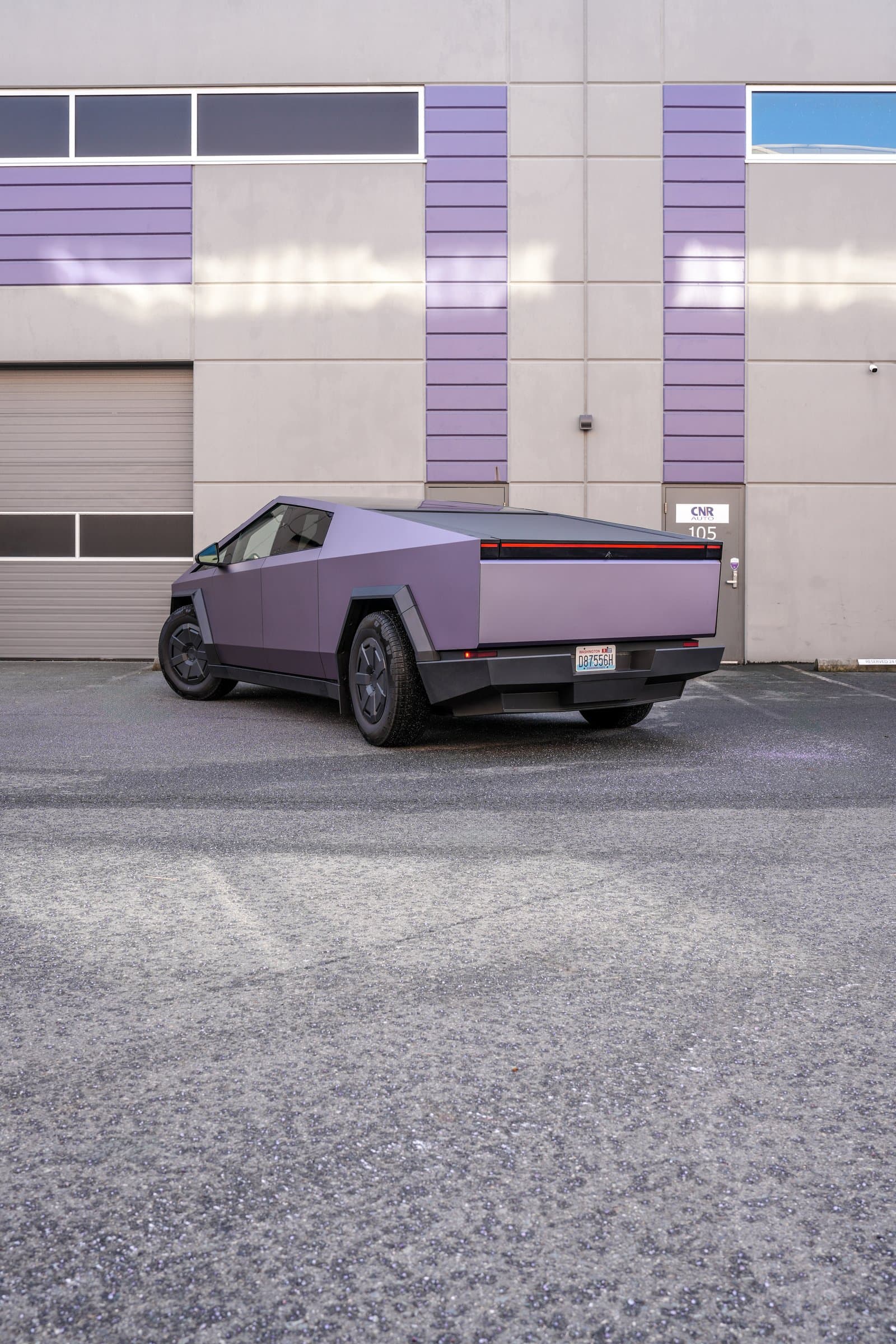
Related project: Tesla Cybertruck — Capri Grey Purple TPU Color Change