
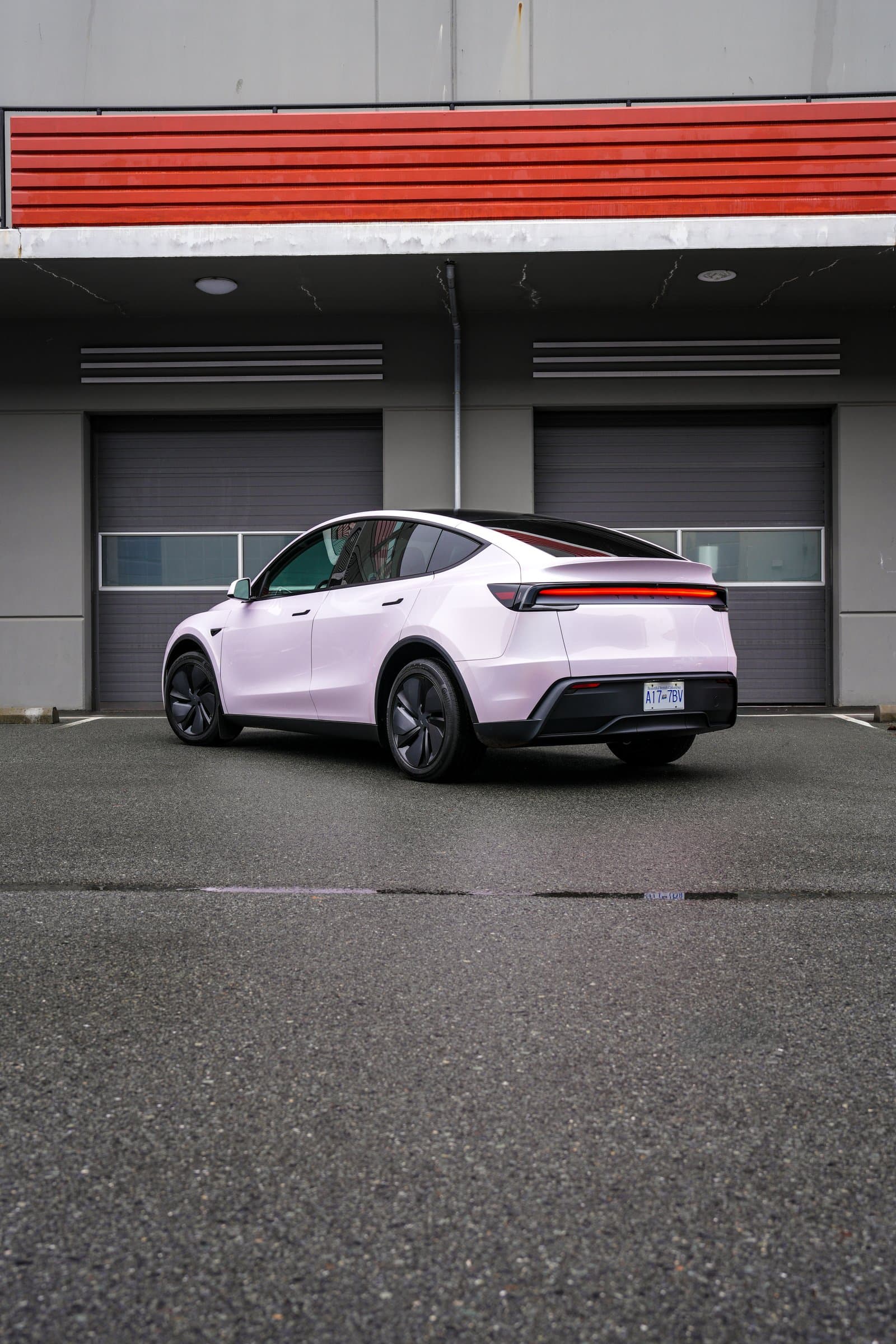
Caring for Matte and Satin TPU Wraps in Vancouver
Published
TPU color change wraps have changed what matte and satin finishes mean for Vancouver drivers. A decade ago, a matte-finish car in the Lower Mainland meant a respray — expensive, permanent, and difficult to reverse. TPU wraps made matte and satin finishes accessible, removable, and adaptable. But they also introduced a care regime that is meaningfully different from gloss wrap care, and different again from caring for a matte-finish respray. Understanding the distinction matters, because the wrong maintenance approach can degrade the matte or satin surface faster than the material's natural lifespan.
Why TPU matte and satin wraps need different care than gloss
Gloss wraps are finished with a top coat that seals the printed color layer and provides a reflective surface. That top coat is relatively resistant to chemical contamination and can be cleaned with a wider range of products. Matte and satin TPU wraps have no reflective top coat — the non-glossy appearance comes from a textured or flat-surface film that has no clear layer to protect it. Anything that contacts the surface can affect the texture, and the texture is what creates the matte or satin appearance. Contamination that bonds to a gloss surface can usually be washed off. Contamination that bonds to a matte surface can alter the texture in ways that are visible under direct light.
This distinction drives every decision about how to wash, protect, and store a matte or satin TPU wrap in Vancouver.
Washing matte and satin TPU wraps correctly
The starting point for washing a matte or satin TPU wrap is a dedicated matte-wrap shampoo — not a standard car shampoo, and not a gloss-detail spray. Standard car shampoos often contain gloss-enhancing additives that leave residues on a matte surface and can alter the texture. Matte-wrap shampoos are specifically formulated to clean without adding gloss.
Wash with a microfibre wash mitt using the two-bucket method, exactly as you would for any wrapped car. The wash mitt material should be a quality microfibre designed for delicate surfaces — avoid any mitt with a raised or plush pile that could imprint texture into the film. Rinse the car thoroughly before the mitt touches the surface, and wash from top to bottom.
After washing, dry with a clean microfibre drying towel — not a chamois, which can imprint on matte surfaces. Blot rather than drag the towel across the surface. Any dragging motion risks creating a subtle gloss pattern in the matte texture that is visible under certain lighting conditions.
What to avoid on matte and satin TPU wraps
Avoid any spray-on gloss enhancers, quick detailers formulated for gloss surfaces, or wax products. These products add a reflective layer to the surface and will make a matte wrap look inconsistently glossy — the opposite of the finish you paid for. The effect can be permanent if it bonds to the textured film before being washed off.
Bird droppings, tree sap, and bug splatter should be removed as soon as practically possible on a matte or satin wrap. On a gloss surface, contamination can often sit for a day before causing visible damage. On a matte TPU surface, organic contaminants can begin altering the texture within hours in direct sunlight. Carry a dedicated matte-safe spot cleaner in the car for this reason — the window of opportunity for safe removal is shorter than with gloss.
Protecting matte and satin wraps through Vancouver's seasons
A matte or satin TPU wrap benefits from a matte-specific surface sealant applied every three to four months. The sealant does not add gloss — it creates a chemical barrier that makes contaminants less likely to bond to the textured surface and easier to wash off. In autumn and winter, when road salt and tree sap are the main contaminants, a sealant layer is particularly valuable.
For cars parked outdoors in Vancouver year-round, a TPU matte wrap with a quality matte sealant provides meaningful protection compared to an unsealed matte surface. The difference is most visible in spring: a sealed wrap cleans up more easily after a winter of road salt exposure.
When to bring it to a professional
If contamination has bonded to the matte surface in a way that home washing cannot address, a matte-safe decontamination treatment by a professional detailer is the appropriate step. Do not attempt to use abrasive compounds or polish on a matte or satin TPU wrap — these will permanently alter the texture and are among the most common causes of preventable wrap damage.
If the wrap has been damaged by a poor-quality quick detailer or wax, a professional decontamination wash can often restore the surface. The window for this is shorter for matte than for gloss — the longer the contamination has bonded, the harder it is to reverse without physical correction.
Book a TPU wrap wash or matte wrap detail with JRS Auto Customs
TPU wraps made matte and satin finishes accessible for Vancouver drivers in a way that resprays never could — reversible, adaptable, and available in colours that respray cannot easily replicate. The trade-off is a care requirement that is more specific than gloss wrap maintenance. Getting the routine right — matte shampoo, microfibre technique, regular sealing, prompt contamination removal — keeps the wrap looking correct through its full lifespan. Getting it wrong causes avoidable damage that professional correction may not fully reverse.
Related project: Tesla Model Y Iridescent Rose Pink TPU Wrap