Mistakes Vancouver Drivers Make Before Modifying
Published
Most modification regrets come from a handful of predictable mistakes that are easy to avoid with the right information upfront. Spending money on the wrong upgrade, compromising the wrong component, or misdiagnosing the problem before you start are all common — and all avoidable. Here are the most frequent ones we see from Vancouver drivers.
Upgrading One Component Without the Supporting System
The most common mistake is upgrading a single component without considering what it interacts with. Fitting a much stiffer suspension spring without upgrading the shock absorbers is the classic example: the shocks were valved for the factory spring rate, and a much stiffer spring will force them to operate outside their designed range, causing harsh ride, poor handling, and premature failure. The same principle applies across the car: a larger exhaust diameter without the right muffler design causes drone; a larger intercooler without addressing the intake path creates turbulence that reduces efficiency.
Before buying any upgrade, ask what the supporting modifications are. If a parts supplier or shop cannot tell you what else needs to change, that is a signal the upgrade may not be a complete solution.
Choosing Parts for Looks Instead of Fitment and Purpose
A wheel that looks great in a photo may not fit your car. Wheel width, offset, and diameter all affect tyre clearance, suspension geometry, and brake caliper clearance. A wheel that requires extensive modification to fit — grinding caliper brackets, using extended lug bolts, or pulling the fender — is not a clean installation. Similarly, aero kits designed for one model may not align correctly with another variant of the same model year. Verify fitment on your exact vehicle before purchasing.
The same applies to exhaust systems: a loud exhaust note is not the same as a good-sounding exhaust, and an aggressive-looking tip diameter may restrict flow if it is smaller than the rest of the system piping.
Ignoring the Electrical and Computing Side
Modern cars are heavily computer-dependent. Adding lights, a new stereo, gauges, or any accessory that draws power requires understanding the existing electrical system. A common mistake is tapping into circuits that are already near capacity, causing fuses to blow, warning lights to appear, or modules to behave incorrectly. On newer vehicles with complex CAN bus systems, incorrect wiring can cause communication errors between modules.
Any significant electrical modification should be mapped against the vehicle wiring diagram and include appropriate fuses and relays. If you are not comfortable reading a wiring diagram, this work belongs to someone who is.
Skipping the Alignment After Any Suspension Change
Any modification that changes the height or geometry of the suspension — springs, coilovers, control arms, bushings — requires a full laser alignment afterward. An alignment that was correct for the factory setup will be wrong after a suspension change. Incorrect alignment causes uneven tyre wear, steering pull, and unpredictable handling. It also voids tyre warranties if the wear pattern is attributable to alignment.
Budget alignment shops often measure only two or three angles. A proper performance alignment on a modified car measures all six geometry parameters and sets caster, camber, and toe to values that suit the specific modifications and driving use.
Not Getting a Pre-Modification Inspection
Before any significant modification — especially structural work, wiring, or suspension — document the car as it is. Photograph the existing condition, note any pre-existing damage, and have a technician assess the baseline. This protects you in two ways: it establishes what was there before, which matters if a shop causes damage during installation, and it tells you what the car actually needs rather than what you assume it needs.
JRS Auto Customs in Vancouver handles a wide range of modification work including suspension upgrades, wheel fitment, exhaust, and protective film installation. Before you start, book a consultation to review what you are planning and discuss whether the approach is sound.
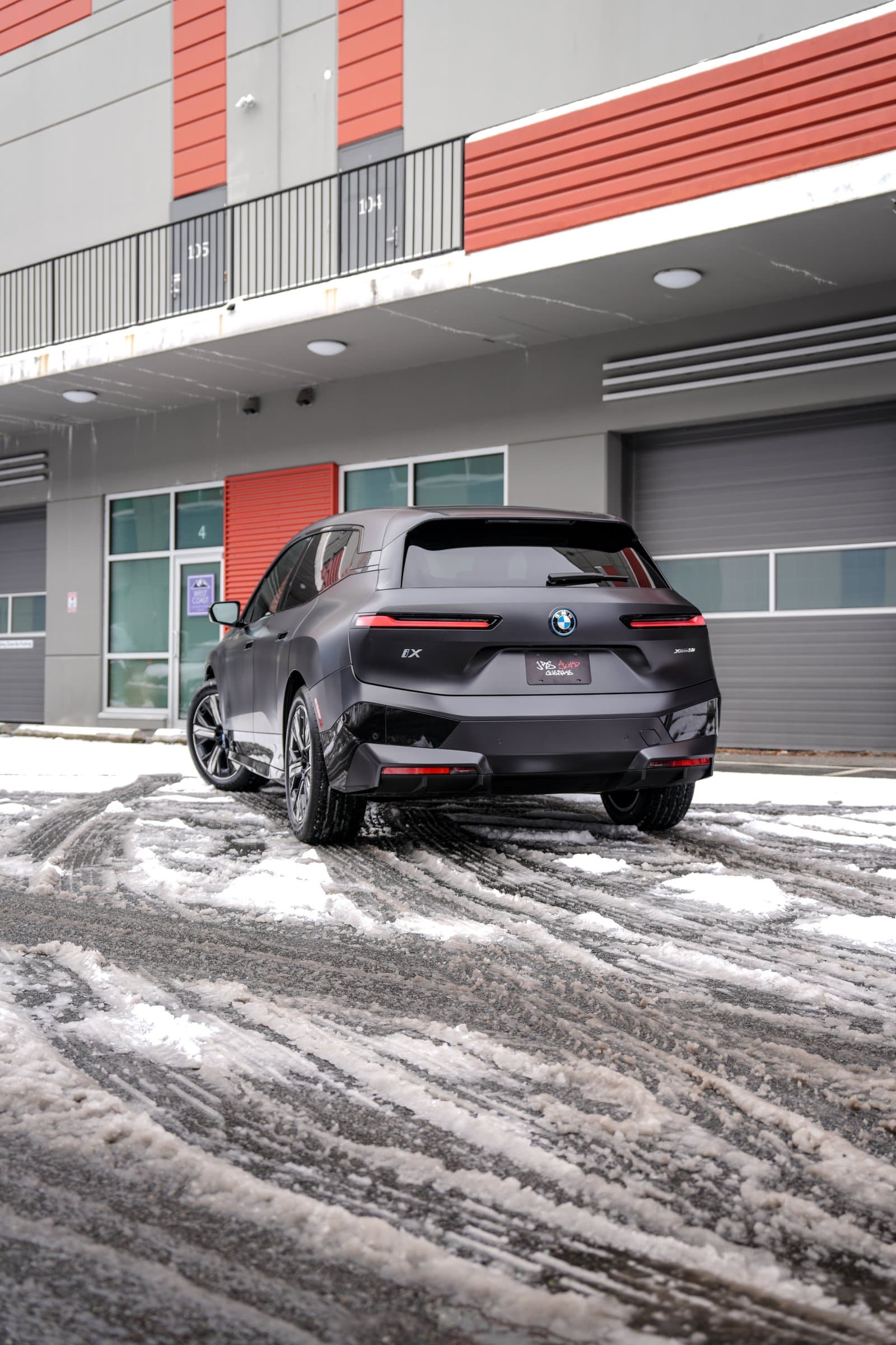
Related project: BMW iX Matte PPF