
Paint Correction Depth: Single vs Multi Stage
Published
Paint correction is a term that covers a wide range of processes, from a one-step machine polish that takes a few hours to a three-stage compound and polish sequence that can take three days. The difference between them is not just time — it is how much clearcoat is removed and what the result looks like when it is done. Understanding what each approach actually does helps you have the right conversation with your detailer before the work starts, so you end up with the result you were expecting.
What Clearcoat Is and Why It Sets the Limit
Modern automotive paint is a layered system: primer, base coat, and clearcoat. The clearcoat is the final layer — the glossy, protective top that sits on top of the colour. It is typically 30 to 60 microns thick, and it is finite. Every polishing step in a paint correction removes a small amount of clearcoat. The compounding pad and compound remove the most, the finishing pad and polish remove less, and the finishing glaze removes the least. None of it grows back. This is why the depth of the correction matters — you are spending a non-renewable resource to achieve a result, and the amount you spend determines how many correction cycles the car can have over its lifetime.
Single-Stage Correction: What It Removes and What It Fixes
Single-stage correction — one compound and one polish, or a single detailing pad with a compound-polish combination product — removes between 1 and 3 microns of clearcoat. That is enough to address light swirl marks from washing, mild oxidation, and light surface contamination that has not etched deeply into the clearcoat. It is the right starting point for most daily drivers that have had one or two years of regular washing but no correction work. The result is a noticeably improved gloss and reflection, and it takes two to four hours on a typical sedan.
Single-stage correction will not fix medium or heavy swirl marks, buffer trails from incorrect washing technique, water spot etching that has gone deeper than the surface, or significant oxidation on neglected paint. If you can feel the scratch with your fingernail, single-stage will not remove it.
Multi-Stage Correction: When the Work Is Worth It
Two-stage or three-stage correction adds a compounding step before the finishing step. The compound step uses a more aggressive pad and abrasive compound to cut through the damaged layer of clearcoat and flatten the surface to a consistent level. The subsequent polish step then refines that surface to a high gloss. The total clearcoat removal across a two-stage correction is typically 3 to 6 microns; a three-stage adds a third refining step for paint that started with severe defects or heavily neglected surfaces.
The practical benefit of multi-stage correction is surface uniformity. A single-stage on a car with heavy swirl marks will improve the reflection but the underlying texture may still be visible in certain light. Multi-stage correction gets the surface to a genuinely flat, mirror finish. For dark-coloured vehicles — black, dark blue, dark grey — the difference is immediately obvious. For light colours it is less dramatic but still present under raking light.
How Vancouver's Climate Affects Correction Timing
BC's climate adds urgency to correction timing for a specific reason: water spot etching. Mineral deposits from Vancouver's tap water, and from rain that has sat on the paint for days, can etch fine rings into the clearcoat that are deeper than single-stage correction can reach. Vehicles parked outside through the summer — especially under trees or near the coast where sea mist carries salt — accumulate this damage faster than most owners realise. By the time the rings are visible, they may already be beyond what a single-stage can address.
Correction done in late summer or early autumn — before the heavy rain and road salt arrive — means the paint goes into winter in better condition and is less vulnerable to further etching through the wet season. It also means the correction itself can be shallower, which preserves more clearcoat for future correction cycles.
Protecting Your Correction After the Work Is Done
A paint correction on its own does not protect against future damage — the corrected surface is exactly the same clearcoat, just flatter and cleaner. Without a protection layer on top, it will re-accumulate swirl marks and water spot etching at the same rate as before. The correction is the preparation; the protection is what preserves it. Ceramic coating applied over a properly corrected surface bonds to a clean, flat substrate and provides the longest-lasting defence against UV, chemical contamination, and water spot formation. Paint protection film provides the highest level of physical barrier protection against stone chips and road debris.
Getting the Right Correction for Your Car
The starting point for any correction is an honest assessment of the paint condition under good light. Run your hand over the paint surface feeling for texture. Check for water spot rings around the hood and roof edges. Look at the paint at eye level under fluorescent light — not sunlight, which hides swirl marks. JRS includes a full paint inspection before any correction work, so the correction depth recommended matches what the paint actually needs rather than what was assumed. Speak with the team about whether a single-stage or multi-stage correction is the right approach for your vehicle.
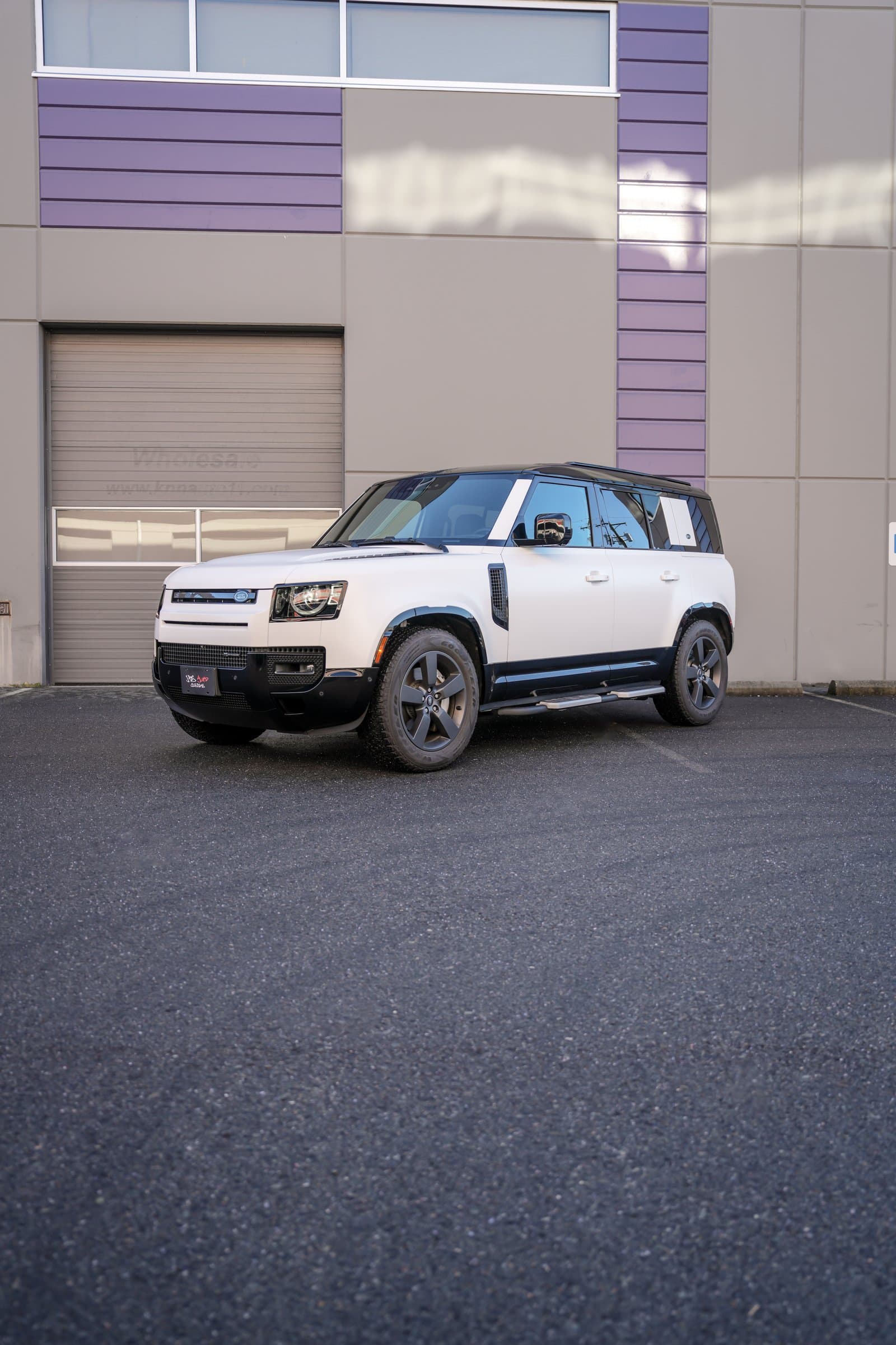
Related project: Land Rover Defender Matte White PPF