
What Performance Upgrades Actually Change on the Street
Published
The word performance means different things to different people. On a track day it means the fastest lap time. On the street it means something more useful: a car that responds more eagerly, feels more planted through a corner, and communicates better with the driver through the controls. Most bolt-on performance upgrades make the car better to drive in exactly the way that matters most for Vancouver roads — and they do it without requiring a dedicated track machine.
What Performance Upgrades Actually Change
The most common bolt-on upgrades — an exhaust system, a cold air intake, an intercooler, an ECU tune, or upgraded suspension components — share a common goal: they reduce the restrictions the stock car places on the engine and chassis, and they let the car communicate more directly with the driver.
On a turbocharged engine — which covers the majority of modern performance cars from Audi, BMW, Porsche, and most Japanese turbo models — an exhaust upgrade and an ECU tune often work together to unlock meaningful gains. The exhaust reduces backpressure, allowing the turbo to spin more freely; the tune adjusts the fuelling and timing to take advantage of that improved flow. The result is more boost pressure available sooner, which translates to quicker throttle response and stronger mid-range pull.
On a naturally aspirated engine the gains from bolt-ons tend to be more modest but still meaningful. An intake and exhaust on a NA car does not produce dramatic power numbers — it makes the engine breathe more freely, which sharpens response and improves the sound. For drivers who appreciate the experience of driving, these changes matter more than peak horsepower figures.
Suspension: The Upgrade That Changes the Most on Real Roads
Of all the bolt-on upgrades available, a properly tuned suspension setup changes the driving experience most dramatically on public roads. Lowered springs, upgraded dampers, and a front strut bar or brace reduce body roll through corners, keep the car flatter under braking, and give the driver more feedback through the steering.
For Vancouver specifically — where North Shore roads, mountain passes, and even the winding sections of Marine Drive offer genuinely enjoyable driving — a well-set-up suspension is the modification that pays back most clearly every time you drive. The car becomes more predictable, more composed, and more satisfying.
The caveat is that a performance suspension setup requires proper installation and, ideally, an alignment to match the new geometry. Stiff springs on worn shocks, or a lowered setup without attention to the other suspension bushings, can make the car worse rather than better. A well-executed suspension upgrade is a package decision, not a single-part swap.
What to Consider Before Upgrading
There are a few practical questions worth answering before spending money. How is the car used primarily? A car that spends most of its time in stop-and-go Vancouver traffic benefits less from some upgrades than a car used on longer drives or winding routes. What is the ownership plan? Upgrades on a car you intend to keep for several years have more time to pay back than on a car heading to trade-in in twelve months.
How will the modifications affect warranty and insurance? Some manufacturer warranties are partially voided by aftermarket tuning; some insurers require notification of modifications. It is worth checking both before committing to a significant upgrade. An honest conversation with your shop before you buy parts avoids expensive surprises.
BC Roads and Performance Modifications
Vancouver roads present some specific considerations for modified cars. The Lower Mainland road surface is inconsistent — some routes are glass-smooth, others have significant bumps and potholes that can damage low-mounted components or strain a stiff suspension setup. A performance setup that is right for the North Shore loop may be punishing on a daily commute across downtown. Choose a setup that matches how and where you actually drive.
Winter conditions also matter. Performance summer tyres are not appropriate for vehicles that see any winter driving; if you are upgrading the car for summer use only, factor in a separate set of winter tyres and storage for the summers. An all-season tyre in a performance compound is a reasonable compromise for drivers who do not want to manage seasonal tyre swaps.
When Performance Upgrades Make Sense
Performance upgrades make the most sense for drivers who use their car actively and want the experience of driving to match that use. If you enjoy the drive itself — if a winding road or an empty on-ramp genuinely appeals — then thoughtful modifications that improve response, communication, and composure pay back every single time you get behind the wheel.
They are less worth it for cars that are purely functional. A high-mileage daily driver with no particular driver engagement in its character is not going to feel meaningfully better with bolt-ons — and the money is better spent on maintenance and keeping the car reliable.
For Vancouver drivers who want to get more out of their car, the starting point is a consultation with a shop that does this work regularly. They can assess what is realistic for your vehicle and driving patterns, and help you build a coherent package rather than buying parts that do not work well together.
JRS Auto Customs handles performance upgrades and modifications. See our performance services to talk through what makes sense for your vehicle.
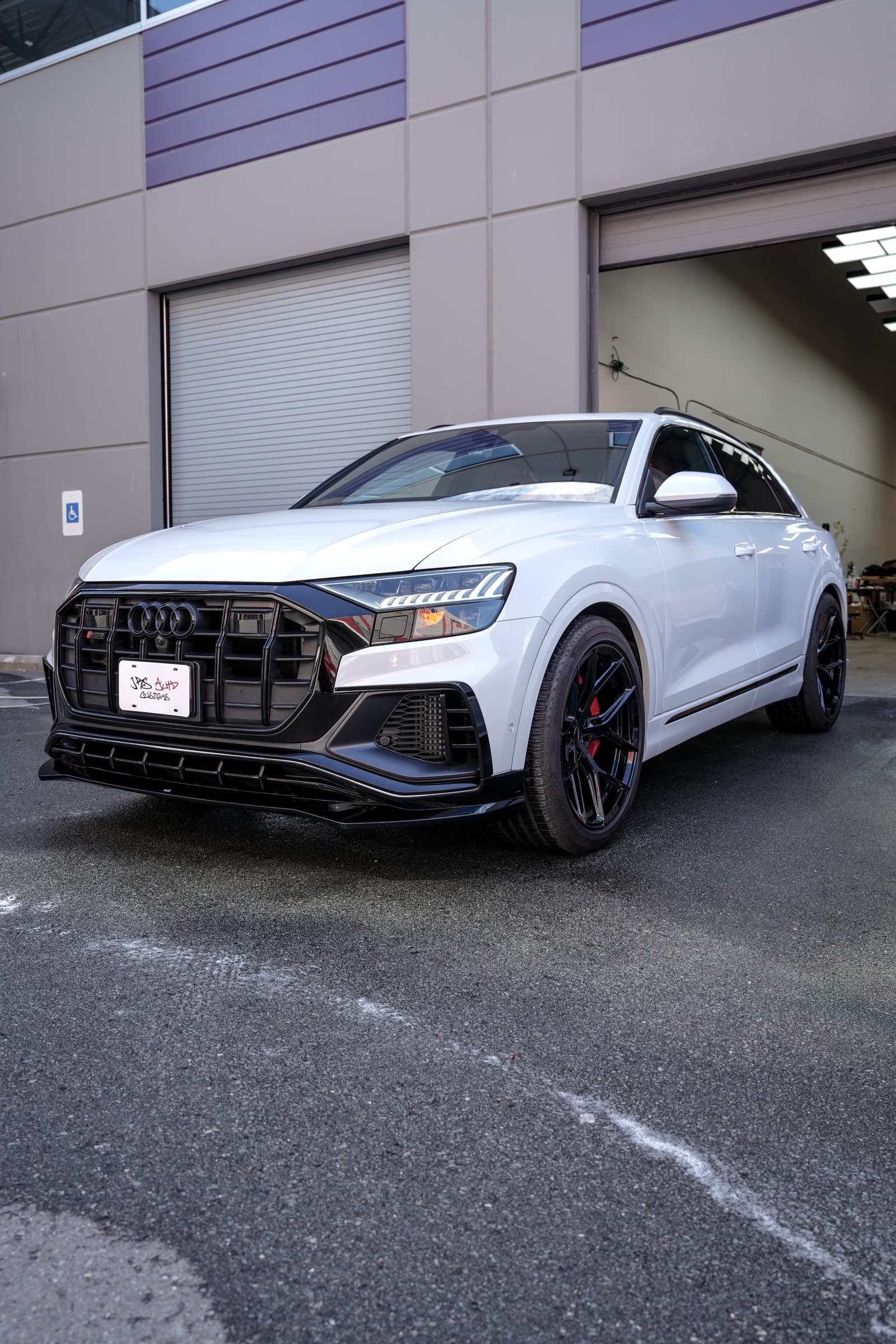
Related project: Audi SQ8 ABT Body Kit & Vossen HF5 Wheels