
Piano Black B-Pillars: Why They Swirl and How PPF Helps
Published
Walk around almost any late-model SUV, sedan, or EV parked in Vancouver and look closely at the vertical trim between the front and rear doors. Even on a vehicle that is only a few months old, those gloss black B-pillars often show fine cobweb swirls, hazy wipe marks, and faint scratches under streetlights or garage LEDs. Many owners blame the car wash, yet the real issue starts with what that panel is made of.
Most exterior B-pillar and C-pillar trim pieces are not painted metal topped with a hard automotive clear coat. They are injection-molded polycarbonate or acrylic plastic finished in a soft high-gloss black surface. Our paint protection film service covers these pillars alongside bumpers, fenders, and hoods because soft trim marks much faster than factory paint.
Why Piano Black Trim Swirls So Fast
Factory clear coat on a steel or aluminum door panel is baked to resist light abrasion during routine washing and highway driving. Uncoated piano black plastic is noticeably softer, so even a dry microfiber towel, a dusty jacket sleeve, or grit trapped along the window edge leaves micro-marring right away.
In Vancouver, wet-season road film makes the wear happen even faster. Fine grit from rain-soaked streets clings to the vertical gap beside the rubber window seal. When you push the door shut by pressing on the pillar instead of the handle, your fingers grind that grit directly into the soft gloss surface.
- Soft polycarbonate plastic scratches under much lighter pressure than cured factory clear coat.
- Touch-car-wash brushes and automatic tunnel cloths drag trapped road grit straight down the vertical trim.
- Fingerprints along the door edge turn into permanent dull patches when wiped dry between full washes.
- Winter road salt and de-icer brine residue leave mineral spotting that etches if baked by afternoon sun.
Polishing Before Film Versus Wrapping Over Swirls
If your B-pillars already look cloudy or scratched, wrapping straight over heavy swirls is not ideal. Clear urethane film has a glossy top coat that restores visual depth, and light micro-marring often disappears under the adhesive layer, yet deeper linear scratches can still catch the light underneath.
Before laying film on a driven vehicle, a careful installer inspects the trim under direct shop lighting and performs a light single-stage polish if needed. Because piano black plastic is thin and builds heat quickly, polishing requires a soft foam pad, low machine speed, and minimal downward pressure to avoid hazing or burning the edge.
Once the surface is clean, corrected, and wiped with an isopropyl panel prep, gloss clear PPF locks in that deep mirror finish. Matte or satin trim pieces can also be protected with stealth film, which keeps the low-sheen factory appearance without adding unwanted gloss.
How B-Pillar PPF Is Installed and Trimmed
A B-pillar looks like a simple rectangle, yet clean installation depends on the rubber window seals and the tight gap where the front and rear doors meet. If film stops short of the edge, a visible seam collects wax, spring pollen, and dark grime.
A proper install tucks the film cleanly into the outer channel where the trim geometry allows, or trims flush along the inner rubber gasket without scoring the soft molding beneath. Every edge is post-heated after installation so pressure-washer spray or Vancouver winter temperature swings do not lift the corners.
You do not need a full-body wrap to protect high-touch exterior trim. Many Vancouver owners pair B-pillar and C-pillar coverage with a front-end package, or add it during a routine detailing and maintenance visit right after taking delivery of a new car or SUV.
Caring for Protected Pillars Through Vancouver Winters
With quality urethane PPF on the pillars, minor wash marks in the top coat self-heal when warmed by sunlight or a rinse with warm water. You can close the door normally without worrying that every fingerprint or sleeve brush will leave a lasting scuff.
Basic washing habits still matter for long-term clarity. Rinse heavy road grit off the window seals before touching the trim with a wash mitt, keep harsh solvent cleaners away from the rubber gaskets, and dry the pillars with a clean, plush microfiber towel using light blotting strokes rather than heavy scrubbing.
Protecting piano black trim early is one of the smallest, most practical upgrades you can make on a daily driver in Vancouver. It keeps the side profile looking crisp years after the factory plastic on similar cars has turned hazy and dull.
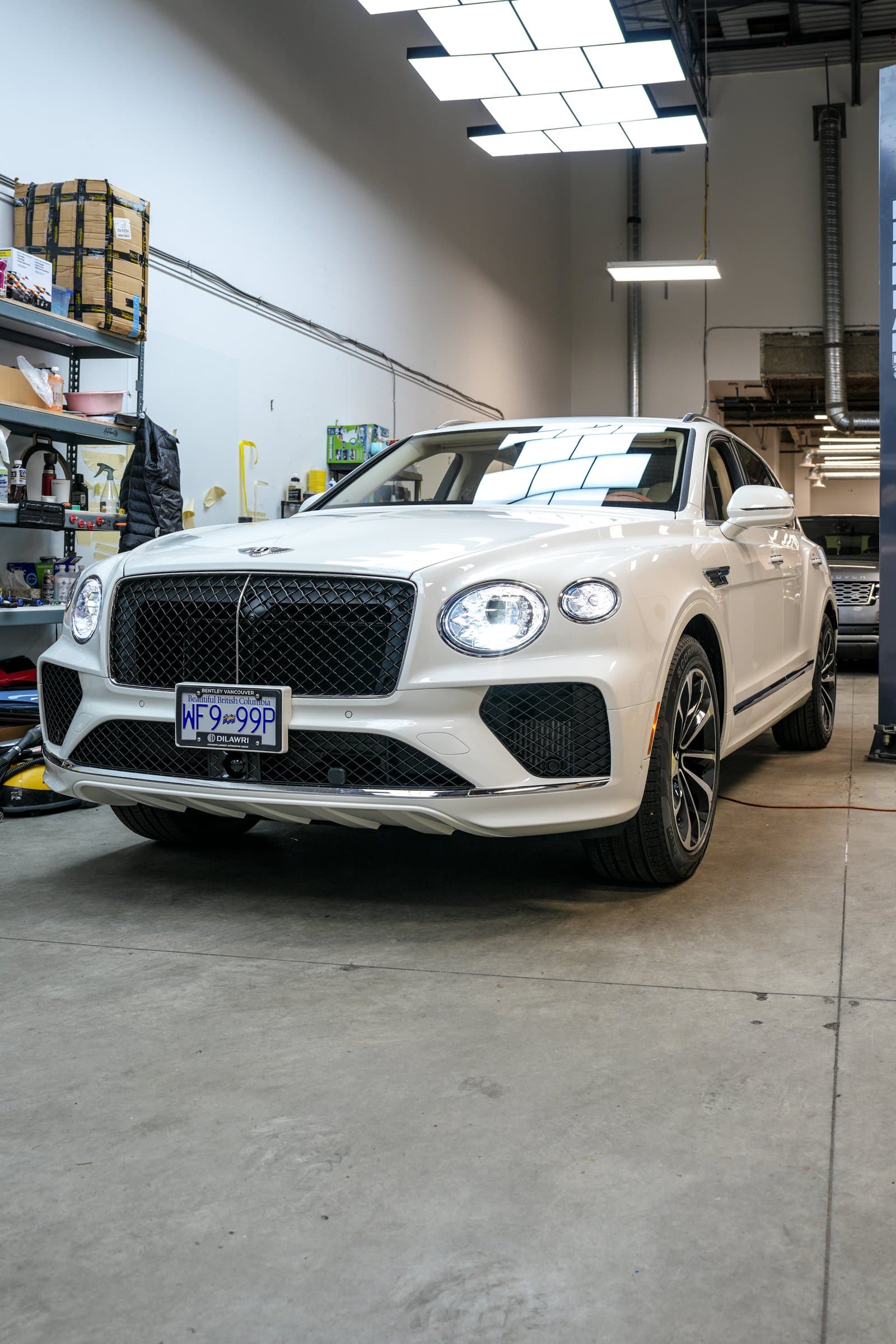
Related project: Bentley Bentayga — Full Clear PPF