
PPF Care and Maintenance: Keeping Your Film Looking Right
Published
Paint Protection Film is one of the most low-maintenance protective coatings you can apply to your car. Once installed, it does not require the same regular attention as a ceramic coating or the ongoing effort of paint correction. But it is not maintenance-free — the way you wash it, the products you use, and the seasonal checks you perform all affect how long the film looks good and how well it protects the paint underneath.
The Basics: How to Wash PPF
PPF should be washed with a pH-neutral car shampoo. Acidic or alkaline cleaners — including many dish soaps, which have a high pH — can degrade the adhesive at the film's edges over time and affect the hydrophobic properties of premium films. A dedicated automotive shampoo is formulated for use on coated and film-protected surfaces.
Use the two-bucket method: one bucket with shampoo solution, one with clean water for rinsing the wash mitt between passes. This prevents transferring grit from the paint surface back onto the film. Work from top to bottom, rinsing the mitt frequently.
Avoid automated car washes with rotary brushes. While PPF is more resistant to wash marring than bare clear coat, a rotary brush can lift the edges of the film at the seams, particularly on older installations where the adhesive may have begun to degrade at the margins. Touchless car washes are generally safe for PPF.
Pressure washers are acceptable for rinsing PPF — but keep the wand at least 30 cm from film edges, and avoid directing pressure into the gap between the film edge and the panel seam. High-pressure water forced under the film edge is one of the most common causes of premature film lifting.
Products to Use and Products to Avoid
Use only PPF-safe or film-safe ceramic detail sprays and boost coatings on top of your PPF. Some aftermarket ceramic coatings are designed for bare paint and may not bond correctly to the film's surface chemistry, which can result in streaking or uneven coverage.
Avoid using a clay bar on PPF unless it is specifically rated for vinyl and film surfaces. A standard clay bar designed for paint can mar the film surface, leaving fine scratches that are visible under certain lighting conditions.
Bug and tar removers should be tested on a small, inconspicuous area of the film before applying to the full panel. Most bug removers are safe on modern TPU films, but prolonged contact with aggressive solvents can affect the film's surface finish.
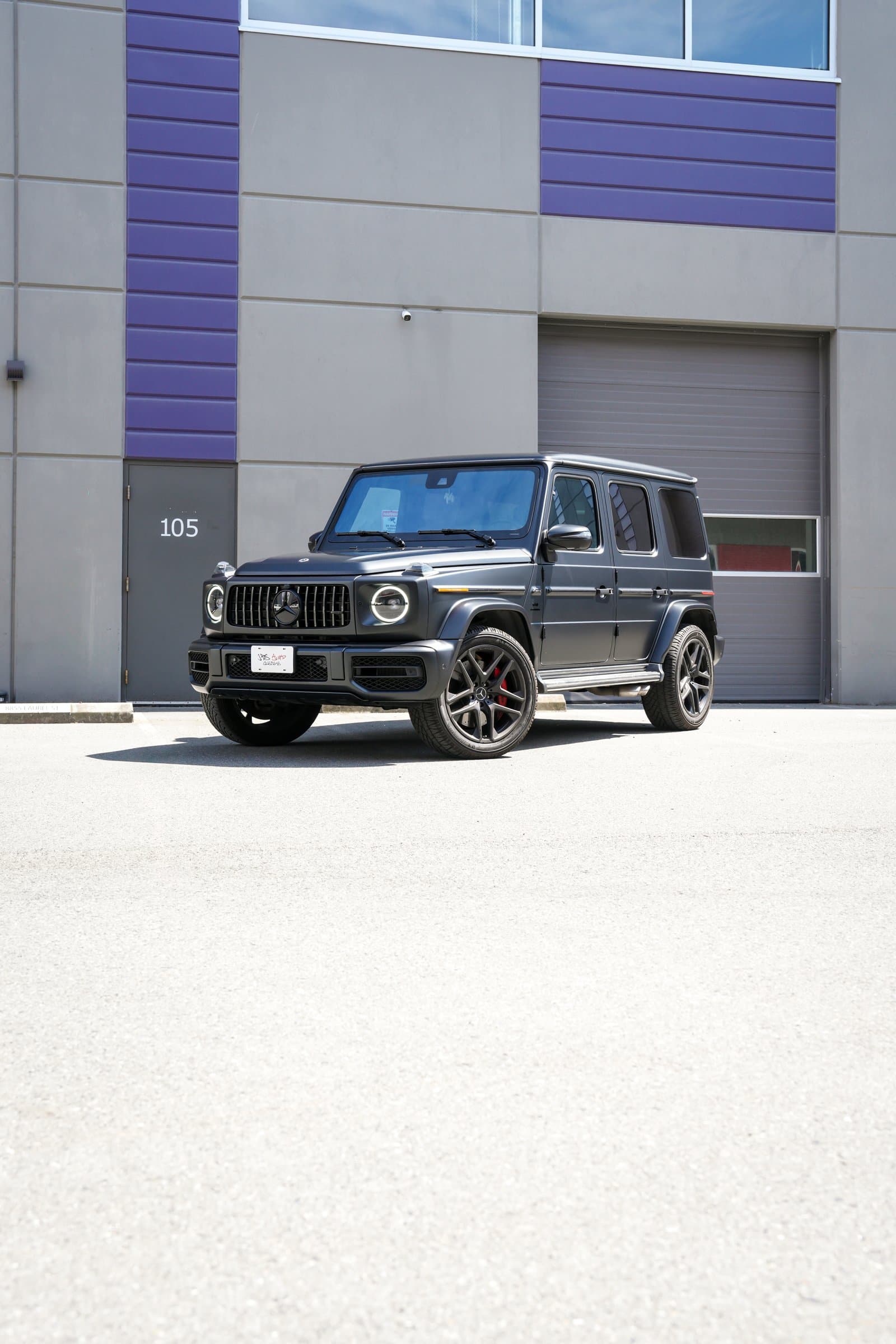
For matte PPF in particular, use only matte-specific maintenance products. Standard dressings, Carnauba waxes, and most SiO2 boost products will alter the matte surface to a satin or gloss appearance, which is irreversible without replacement.
Seasonal Maintenance Checks
Inspect the film edges at the start of each season — particularly before winter and after the spring thaw. Look for any lifting at the corners, around the headlights, along the door edges, and at the hood-to-fender joins. Any edge that has begun to lift should be addressed promptly; a small lift that is ignored through the winter can grow significantly once ice and road salt work underneath it.
In winter, rinse the film surface with clean water after driving on heavily salted roads. Salt residue left to dry on the film surface is not harmful to the film itself, but it will leave mineral deposits when the water evaporates — the same water-spot issue that PPF protects your paint from. A plain water rinse after a salted-road drive is the simplest fix.
After winter, inspect for any damage from ice scrapers, which can catch and tear the film edge at the hood or rear panel edges. Ice that has frozen around the film edge should be warmed and removed rather than pried — prying can lift the film from the corner.
Self-Healing Properties and Limitations
Premium TPU PPF has a self-healing top coat: light surface scratches, swirl marks from washing, and minor surface marring will disappear when the film is heated — by parking in the sun, running warm water over the surface, or using a heat gun on a low setting. The healing occurs because the film's top coat is a thermoplastic material that reflows when heated.
Self-healing does not repair deep cuts, tears, punctures, or impact damage that has penetrated through the film's base layer. If a stone impact has cracked or torn the film, the affected section needs to be replaced. It also cannot repair yellowing caused by prolonged UV exposure without a UV-stable top coat, or discolouration from exposure to harsh chemicals.
The hydrophobic properties of the top coat — the water-beading and dirt-shedding behaviour — can diminish over time, particularly on vehicles parked outdoors in direct sun. A hydrophobic boost product formulated for PPF can restore the beading effect and make the surface easier to clean between washes.
When to Bring It to a Professional
If an edge has lifted significantly, or if the film has been damaged in an impact, a professional PPF installer can re-seal the edge or replace the affected panel section. Partial panel replacement is usually preferable to a full re-wrap of a panel that is otherwise intact. Budget for a replacement section rather than assuming the film will last indefinitely without incident.
PPF is a maintenance product, not a permanent one. Most quality film installations will last eight to ten years with reasonable care, and the paint underneath will be in the same condition as the day it was wrapped. That is the real return on the maintenance effort you put in.
PPF installation and maintenance services at JRS Auto Customs.Related project: Mercedes-AMG G63 Frozen Black Matte PPF