
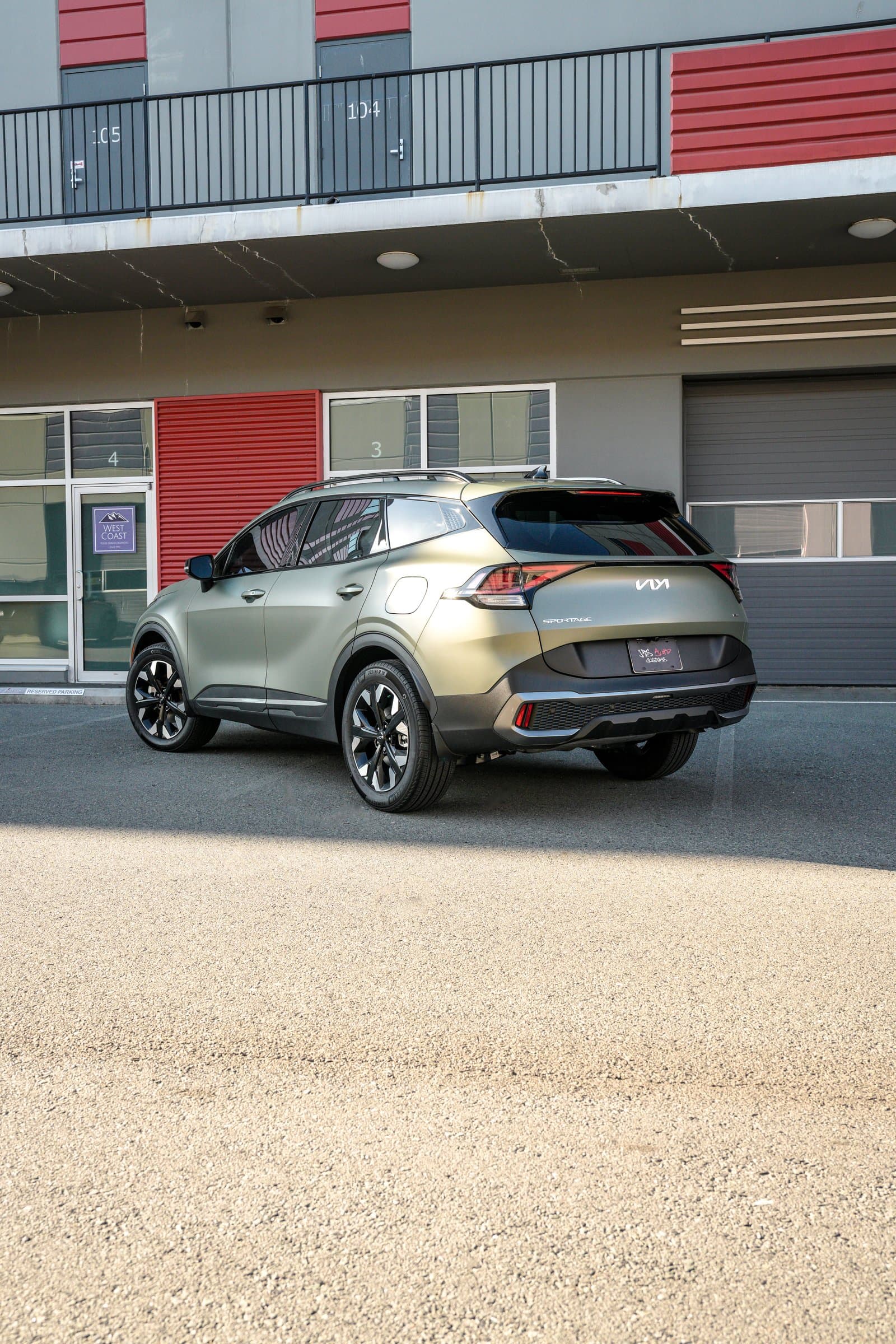
Does Your Off-Road or Adventure Vehicle Need PPF?
Published
Off-road and adventure vehicles — 4x4s, crossovers with all-weather capability, SUVs used on logging roads and camping trips — face a different set of paint risks than a street-driven car. Rocks, branches, mud, and debris are part of the intended environment. But that does not mean the paint is immune to damage, and it does not mean the vehicle will look the same after a season of serious use as it did on the lot. Here is the practical case for PPF on an adventure vehicle.
The Off-Road Paint Risk Profile
A vehicle used on unpaved forest service roads, rocky access routes, or regular outdoor adventure trips faces a different pattern of paint damage from a highway commuter. The risks are more predictable but no less significant: rocks kicked up at speed from the tyre ahead, branches that swing back from the trail edge, mud carrying abrasive grit, and the general accumulation of the kind of material that adheres to paint and etches if left sitting.
Forest Roads and Gravel Tracks
Logging roads and forest service roads are one of the most aggressive environments for paint. The combination of loose gravel, high vehicle speed from oncoming traffic, and the lack of any barrier between the tyre and the vehicle ahead means rock chips arrive with more force and more volume than on a paved highway. The front end of an adventure vehicle that does regular forest road trips can accumulate significant stone chip damage over a single season.
Branches and Trail Scrape
Narrow trails with overhanging branches are a constant hazard for anything from a Subaru Outback to a Land Rover Defender. Even slow-speed contact with a branch can leave scratches, and sustained contact can cause significant paint damage. PPF absorbs this contact and protects the paint underneath, with the film taking the damage rather than the paint.
Does Every Off-Road Vehicle Need PPF?
Not every adventure vehicle needs it. The case for PPF is strongest when the vehicle is used hard and kept long-term. A vehicle that does a few forest road trips per year may accumulate cosmetic damage but it is unlikely to justify the cost of full coverage. A vehicle that is used regularly on unpaved roads — weekly or more — will accumulate visible paint damage within a year or two, and the cost of PPF is almost always less than the cost of repairing that damage on a vehicle worth keeping.
The other factor is the vehicle itself. On a high-value vehicle — a Land Rover Defender, a Jeep Wrangler, a Toyota 4Runner — PPF is a defensible investment because the paint is expensive to repair and the vehicle is likely to be kept for many years. On a vehicle used hard as a true utility tool that might be sold or traded in a few years, the economics are weaker.
If you are unsure whether a full treatment makes sense for your vehicle, JRS can advise on whether a partial PPF coverage
or full coverage is the right call.
What Coverage Makes Sense for Off-Road Use
Front End Priority
For any off-road vehicle, the front bumper, hood, and front fenders are the highest-priority areas. These take the bulk of the rock impacts and branch contact. A front-end PPF package on an adventure vehicle covers the most critical area for the most common type of damage.
Rear Bumper and Boot
Rear bumper protection is often overlooked but matters on vehicles used for loading and unloading gear. Loading kayaks, bikes, and camping equipment involves regular contact with the rear of the vehicle. A rear bumper PPF panel is a practical addition for any adventure vehicle.
Side Skirts and Lower Doors
Mud and grit build up on the lower doors and side skirts through a season of off-road use. This abrasive material sits against the paint and, if the vehicle is driven through deep mud, can cause abrasion damage. Protecting the lower panels with PPF prevents this and makes cleaning easier.
Combining PPF with Other Protection
For a vehicle that will see serious off-road use, combining PPF with a ceramic coating on the upper panels — roof, doors above the PPF line, boot lid — is a practical combination. PPF handles the high-impact zones; ceramic coating handles the upper surfaces where contamination from mud and road grime lands and where UV exposure is highest. This combination is particularly effective for vehicles that live outside in Vancouver through all seasons.
JRS installs both ceramic coating
and PPF, and can advise on the right combination for your vehicle and how you use it.
The Vancouver Off-Road Context
Vancouver's proximity to serious off-road terrain — the North Shore, Pemberton, the logging roads of the Sea-to-Sky corridor — means there are a lot of capable vehicles in the city that are used for weekend and holiday adventures. Those trips, and the drives to get there, expose the vehicle to the full range of road conditions from smooth highway to rough gravel. A vehicle that regularly makes the trip to Whistler on a long weekend is accumulating exactly the kind of exposure that PPF is designed to protect against.
What to Do Before the Season Starts
If your vehicle has accumulated paint damage over previous seasons, a PPF install before the new season starts makes more sense than waiting until the damage gets worse. PPF protects clean paint best; film installed over existing damage does not undo it. If the paint has significant chips or scratches, consider a paint correction before PPF installation so you are protecting a clean surface.
And if you are keeping the vehicle long-term, the cost of PPF installed at the start of a season — before the first serious trip — is almost always less than the cost of repairing the damage that will accumulate without it.
Related project: Kia Sportage Matte PPF Wrap