
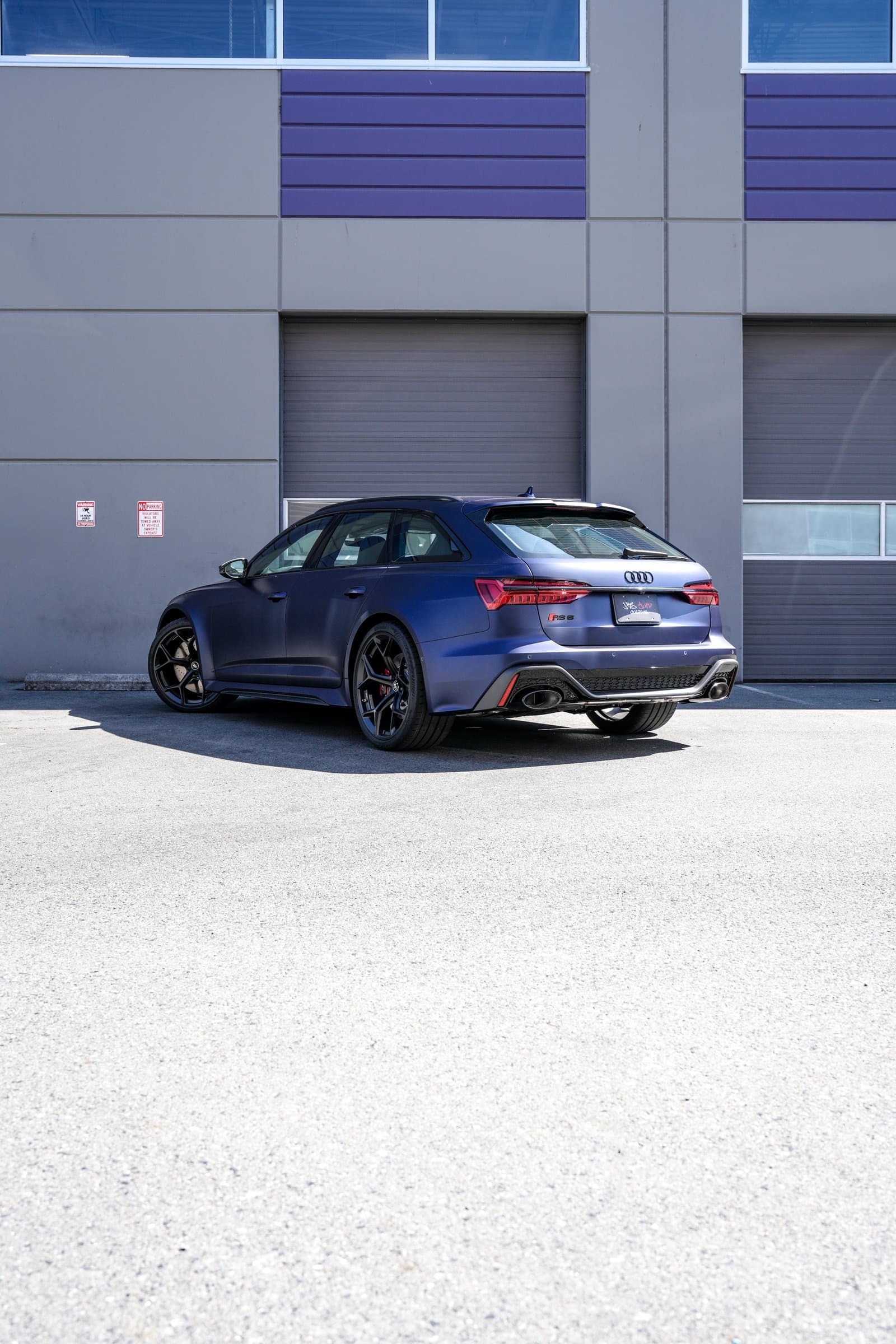
PPF Care and Maintenance: A Vancouver Owner's Guide
Published
Paint protection film is one of the more misunderstood products in the car care world. Once it is installed, there is a tendency to treat it like armor plating and forget about it. In reality, PPF requires ongoing care to perform as intended over years of Vancouver driving. Here is what owners need to know about keeping a PPF installation in good condition.
What PPF Actually Protects Against
PPF protects against stone chips, road debris, and scratches from contact. It does not make the paint beneath it invincible. Sharp, high-velocity impacts -- a piece of aggregate kicked up at highway speed, or contact with a fixed object -- can still penetrate the film. The film is designed to absorb that energy and self-heal from lower-energy impacts, but it has limits. Understanding what the film can and cannot absorb is important for assessing whether a impact has damaged the film, the paint beneath, or both.
In Vancouver, the road debris is a year-round concern. The freeze-thaw cycle creates fresh potholes and loosens aggregate on older road surfaces every spring. Winter road salt does not degrade the film itself, but it accelerates wear on the edges and seams if the film was not sealed correctly at installation.
Washing a Car With PPF
PPF should be washed using the same two-bucket method as bare paint -- clean microfibre wash mitt, separate rinse bucket, pH-neutral car wash soap. Avoid abrasive brushes, hard sponge applicators, and any wash product that contains compounds designed for bare paint correction. The film surface is softer than clear coat and will scratch if treated the same way.
Automated car washes are a genuine risk for PPF. The brushes in most tunnel washes are worn and contain debris from previous vehicles. They will introduce scratches to the film surface. Touchless car washes are safer for the film, but they do not clean as effectively as hand washing and can leave water spot residue if the car is not dried immediately afterward.
After washing, dry the film with a clean microfibre drying towel. Water spots on PPF are treated the same way as water spots on paint -- if they are left to dry on the surface, mineral deposits can bond to the film and cause hazing over time.
Contaminants That Need Prompt Attention
Bug splatter, bird droppings, tree sap, and tar are the main chemical contaminants that affect PPF. Like paint, these should be removed as soon as possible. Leaving bird droppings on PPF in direct sunlight accelerates the etching effect -- the acids in the droppings begin to degrade the film's surface within hours in direct sun.
Tar on PPF from fresh road surfaces can usually be removed with a dedicated tar remover applied with a soft microfibre cloth. Avoid scrubbing aggressively -- use the product to dissolve the tar, then wipe clean. For stubborn contamination that regular washing does not remove, a gentle chemical decontamination product formulated for PPF-safe use is the next step.
Do not use clay bars on PPF unless the clay bar is specifically rated as safe for film. Standard detailing clay bars are abrasive and will scratch the film surface.
Self-Healing and What to Do When It Stops
Quality PPF has self-healing properties -- minor scratches in the top coat close up under heat. Sunlight, a parked car in warm weather, or a heat gun at low temperature will activate the healing response. Light scratches from washing or contact with vegetation will typically heal within a few hours in warm conditions.
Scratches that do not heal after a day in sunlight, or that are visible at all angles rather than only under direct light, have penetrated through the top coat. At that point, the film's integrity should be assessed by a professional. JRS Auto Customs can evaluate whether the film needs replacement or whether a localised repair is appropriate.
When to Have PPF Inspected
An annual inspection is worth scheduling for any vehicle with PPF, particularly in Vancouver. The inspection should cover the edges and seams, which are the most vulnerable points -- if an edge has begun to lift, water can get underneath and cause the film to fail prematurely. Catching an edge lift early allows for re-sealing rather than full replacement.
After a significant impact -- a stone chip at speed, contact with a fixed object, or any impact that you can hear or feel -- have the affected area inspected promptly. Some impacts damage only the film; others damage both the film and the paint beneath. The longer an impact that has penetrated to the paint is left exposed, the more opportunity there is for moisture and contamination to reach the bare metal or primer.
JRS Auto Customs handles PPF installation, inspection, and replacement for all makes and models in Vancouver. Their maintenance detailing service includes a film inspection step as part of the exterior detail.
Paint Protection Film at JRS covers full installation, partial coverage, and ongoing maintenance for PPF-protected vehicles in Vancouver.
Related project: Audi RS6 Avant Matte Blue PPF