
Does PPF Help Your Car's Resale Value in Vancouver
Published
One of the most common questions JRS Auto Customs gets from owners who are considering PPF is whether it will help the car hold its value when they sell or trade it in. The honest answer is that it depends on who is buying, what they are looking at, and what you paid for the PPF in the first place. Here is a more detailed look at how paint protection actually factors into resale value.
What Private Buyers Actually Notice
A private buyer evaluating a used car will almost always inspect the paint condition before making an offer. Stone chips on the hood leading edge, the front bumper, and the side mirrors are the first things they see — and the first things that lower their perceived value of the car. A car with consistent, well-maintained paint signals that the previous owner cared for it, and most buyers will attribute some dollar value to that care.
The practical effect is that a car with front-end PPF — even if the film itself is two or three years old — presents without stone chip damage when viewed by a buyer. The difference between a car with a fully intact front end and one with moderate stone chip damage is typically worth more than the cost of a front-end PPF installation to a discerning buyer who has had to live with chipped paint before.
Trade-In vs Private Sale: Two Different Markets
It is important to separate the trade-in market from the private sale market when thinking about PPF and resale. A dealer trade-in offer is based on auction values and the dealer's expected margin on resale. Dealers will typically offer less for a car with stone chips than a clean car, but they will not specifically credit PPF in the same way a private buyer might.
A private sale is a different calculation. The buyer is not building in a resale margin — they are paying for the car directly. In a private sale, paint condition that affects the car they are buying is felt more directly. A PPF-protected car that presents without stone chips will generally attract more private buyer interest and fewer low-ball offers than the same car without protection.
Lease Returns and Finance Companies
For leased vehicles, PPF has a more direct financial relationship to resale value. Most lease return inspections are conducted by third-party inspection companies using standardized condition scoring. Excessory damage — stone chips, scratches, and paint damage — is assessed against the lease return standards and charged back to the lessee at a markup over retail repair cost.
Front-end PPF that has been maintained and is in good condition at lease return is generally assessed as acceptable. The leased car comes back with paint intact under the film, and the inspection passes cleanly. A car without PPF that has accumulated stone chip damage over the lease term will typically have damage charged back at the inspection company's standard rates — which are higher than retail.
ICBC Valuation and Private Sale Documentation
For vehicles sold privately in BC, ICBC requires that the seller disclose known damage. Stone chip damage that has been present for some time is hard to miss during a vehicle inspection, and a buyer who is concerned about it can arrange a prepurchase inspection at their own cost. A car with PPF is easier for the seller to represent as having no paint damage — because the paint under the PPF genuinely has not been exposed to the road conditions that caused the damage.
When PPF Makes Financial Sense for Resale
PPF makes the most financial sense for resale when the car is likely to be sold or returned at lease end within three to five years, and when the car is at a price point where buyers are paying attention to condition. Vehicles in the premium and luxury segment in particular tend to attract buyers who evaluate paint condition closely and factor it into their offer.
For a vehicle approaching the end of its ownership cycle — a car you plan to drive until it is done — the resale value argument for PPF is weaker. At high kilometrage and advanced age, the cost of PPF becomes harder to recover through a private sale.
The Realistic Picture
PPF does not make a car worth more in the same way that low mileage or a full service history does. What it does is present the paint in the condition it would have been in without the three years of stone chip exposure. Whether that is worth the investment depends on how much you value an undamaged front end, how long you plan to keep the car, and what kind of buyer you are selling to.
If you are planning to sell or return a car within the next three years, front-end PPF is worth discussing with JRS as part of your ownership cost calculation.
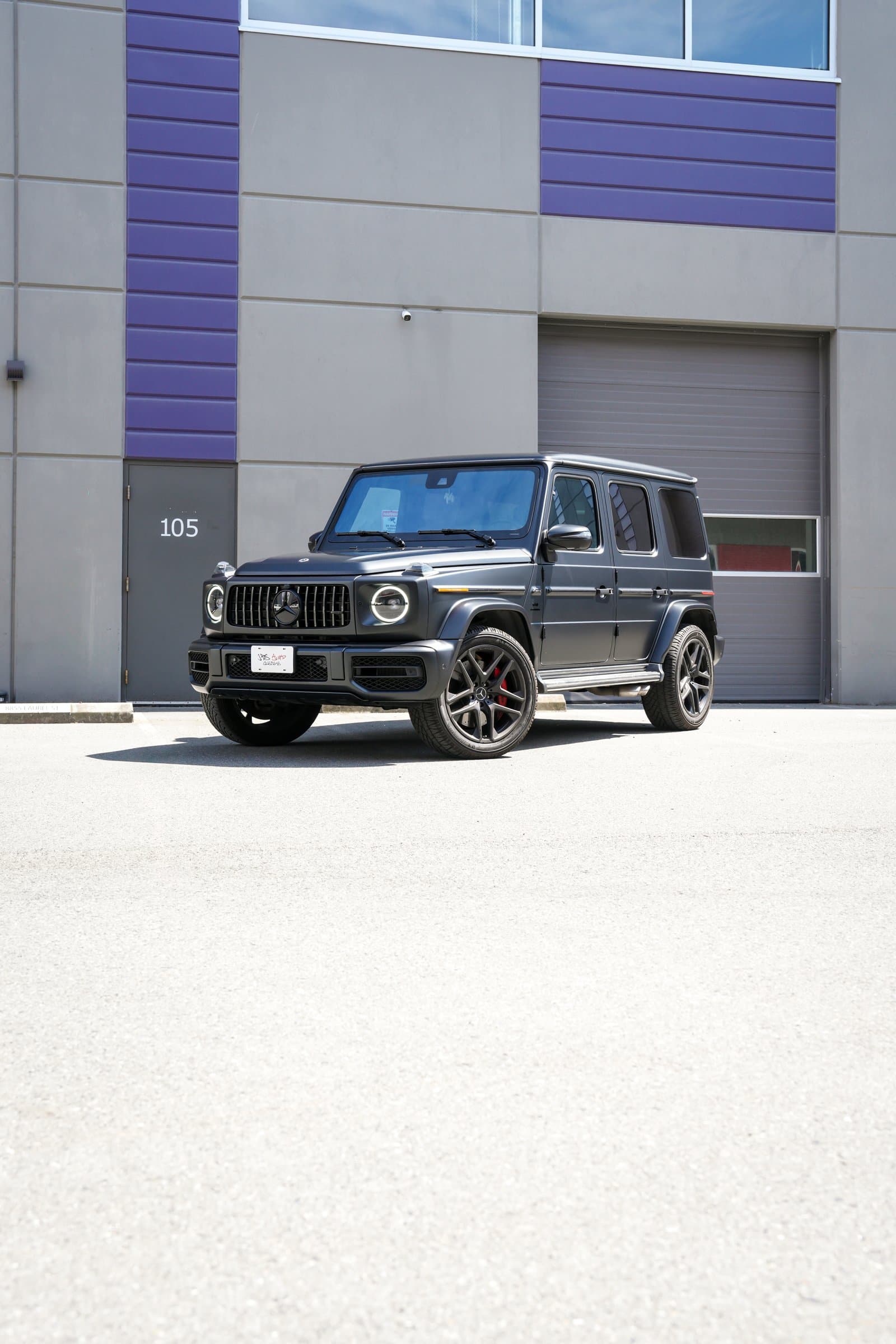
See JRS Auto Customs PPF options for front-end coverageRelated project: Mercedes-AMG G63 Frozen Black Matte PPF