
PPF Care Through Vancouver's Four Seasons
Published
Paint protection film is one of the most effective forms of physical paint protection available, but it is not a set-and-forget solution. Like the car it protects, PPF needs attention — particularly in a climate like Vancouver's, where the combination of coastal humidity, winter road salt, spring road grit, and summer UV exposure creates different challenges at different times of year. This guide walks through what PPF maintenance looks like across the seasons, so you know what to do and when.
Spring: The Post-Winter Deep Clean
Spring is the most important time of year for PPF maintenance in Vancouver. After a wet winter, salt, sand, and road grime accumulate on all exterior surfaces — including your PPF. The longer these contaminants sit on the film, the more likely they are to bond permanently to the surface or work their way into the edges.
A spring maintenance session for PPF should start with a thorough pre-wash — either a foam pre-soak or a pressure rinse to remove loose contamination before touching the surface. Follow with a two-bucket wash using a pH-neutral shampoo designed for use on protected surfaces. Avoid automatic car washes at this point in the season: their brushes can be loaded with winter grit that has not been fully rinsed from the system.
After washing, inspect the film carefully. Look for edges that may have lifted during winter, particularly around the front bumper, door handles, and boot lid — the areas most exposed to pressure washing and road debris. Any lifting should be addressed promptly; moisture under the film at the edges can spread and cause the adhesive to fail on a larger area.
Summer: UV Exposure and Film Care
Summer in Vancouver brings long hours of daylight and meaningful UV exposure. While quality PPF has UV inhibitors built into the adhesive and the film itself, prolonged UV exposure over many seasons can gradually affect the film's clarity and surface hardness.
The practical steps for summer PPF care are straightforward: wash regularly to remove road film and pollen, which can be acidic and bond to the film surface if left in place. Pollen is particularly worth addressing promptly — it can etch into the film's surface if it bakes on in direct sunlight over several days.
If your PPF has a ceramic top coat — which many modern films do — the hydrophobic properties should keep contamination from bonding as readily. But the top coat itself benefits from periodic maintenance with a compatible booster product to replenish its performance.
Autumn: Preparing for the Wet Season
Autumn in Vancouver is brief and wet, and it marks the beginning of the cycle back toward the conditions that stress PPF most. Getting ahead of the wet season with a maintenance session in September or October is one of the most effective things you can do for the longevity of your film.
An autumn PPF maintenance session should include a full decontamination treatment — using an iron remover to dissolve brake dust and environmental fallout that regular washing does not remove. This removes bonded contamination that would otherwise be sealed under the winter grime layer and makes the spring clean significantly easier.
Check and clean the PPF edges before the rain sets in. Wet weather accelerates edge failure if the perimeter is not sealed. Applying a small amount of PPF-safe edge sealant around vulnerable edges at this time of year is a worthwhile preventive step.
Winter: Minimal Intervention, Maximum Protection
Winter is not the time for intensive PPF maintenance — it is the time to protect your investment by avoiding the things that cause damage. The single most impactful habit in winter is rinsing your car after it has been driven on salted roads. Salt solution sits on the film and, if allowed to dry, concentrates and becomes more corrosive. A quick rinse at a coin-op pressure wash after a salted commute takes two minutes and makes a material difference.
Avoid pressure washing directly at the PPF edges — the high-pressure water stream can lift edges that have absorbed moisture. Keep the wand at a wider angle and maintain distance from the film perimeter.
Do not use ice scrapers on PPF-covered surfaces, and avoid chipping ice off with sharp tools. While the film itself is resistant to scratches, the edge adhesion is vulnerable to mechanical disruption from tools designed for glass.
Signs Your PPF Needs Professional Attention
Some PPF maintenance requires a professional rather than a home detail. Yellowing or hazing of the film that does not wash away can indicate the film's top coat has degraded and may need restoration or replacement. Discolouration along the edges is often a sign of edge contamination or adhesive breakdown and should be assessed promptly.
If the film's self-healing properties have stopped responding to heat — the fine scratches that used to disappear when the car was in the sun no longer heal — the top coat has likely worn through and a top coat restoration is the appropriate solution.
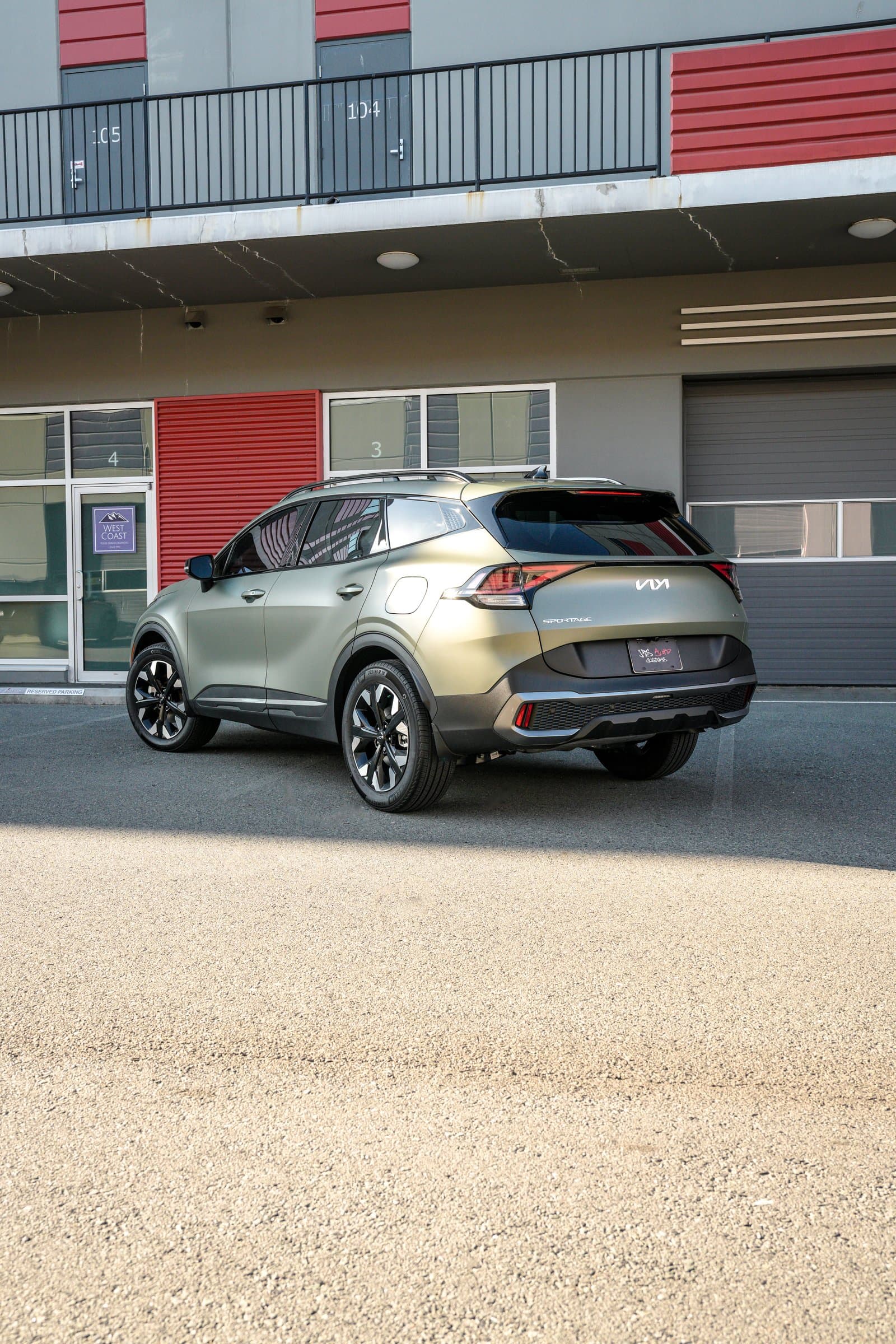
For more on our PPF installation and maintenance services, visit our PPF service page or browse our Kia Sportage PPF portfolio project to see an example of our matte PPF work.
Related project: Kia Sportage Matte PPF Wrap