
What a Full Pre-Winter Inspection Covers in Vancouver
Published
By October each year, most Vancouver drivers know they should do something to prepare their car for winter. Fewer know exactly what that means beyond an oil change. A complete pre-winter inspection checks every system that cold, wet weather places stress on — and catches problems while there is still time to fix them before the worst months arrive.
This guide walks through each system a proper pre-winter inspection covers, why it matters in BC's climate specifically, and what to do with the findings.
Coolant and Antifreeze System
Coolant is the most commonly overlooked winter-prep item until an engine overheats in minus temperatures. The priority check is freeze protection: a coolant hydrometer or refractometer reads the antifreeze concentration directly and tells you whether the system is protected to the temperatures BC winter can produce. Vancouver's variable winter — warm rain one week, minus temperatures the next — means coolant that was adequate in October may drop below safe freeze protection by January. Check it before the cold arrives, not after.
A coolant flush and replacement is also the right time to inspect hoses and the water pump for weeping or fatigue. Coolant hoses in BC vehicles are particularly susceptible to internal degradation that is invisible from the outside — a pressure test reveals leaks that a visual inspection will not catch.
Battery and Charging System
A battery load test measures cold cranking amps under resistance — this is what determines whether the battery can start the engine in cold weather. Voltage alone tells you almost nothing: a battery at 12.4 volts with damaged plates can fail to start an engine at minus 10. Most shops use a conductance tester that gives a pass-or-fail result in under a minute. If the battery is more than four years old, most shops will recommend replacement before winter rather than waiting for it to fail in a cold driveway.
The alternator and serpentine belt also need inspection: cold weather increases the electrical load (heated seats, headlights, wipers running continuously) and a belt that is cracked or glazed will slip under that load, reducing charging output at exactly the moment you need it most.
Brakes, Wipers and Lights
Wet braking performance depends on pad thickness, rotor condition and brake fluid hygroscopy. Brake fluid absorbs moisture from the air over time; fluid that has been in the system for more than two years typically contains enough water to reduce boiling point significantly — a problem when repeated hard braking on wet roads heats the fluid. A moisture content test or flush is a low-cost item that directly affects safety.
Wiper blades that worked adequately in summer often fail in the first sustained rain of autumn. The rubber compound hardens over spring and summer heat, losing sealing contact with the glass. Inspect blades for cracking and test by running them on a wet windshield — any streaking or skipping means they need replacement. In Vancouver's constant drizzle, wipers that skip leave a film that severely reduces night visibility.
All lights should be checked — in BC winter, it is dark by 4pm. Fog lights are often neglected and their adjustment drifts with vibration over time. Poor fog light aim creates glare rather than road illumination, reducing rather than improving visibility.
Tyres, Suspension and Undercarriage
Tyre tread depth should be checked with a gauge, not estimated by appearance — worn tyres that look adequate in rain can be below the legal minimum. For vehicles running all-season tyres through Vancouver winter, the temperature rating matters: a tyre rated for temperatures above 7 Celsius will harden significantly in BC winter conditions. Consider whether your tyres are rated for the temperatures you actually drive in.
BC roads develop potholes through freeze-thaw cycles faster than almost anywhere in Canada. Front-end geometry and suspension bushings take the impact. A wheel alignment check after a hard pothole impact can reveal a knocked angle before it causes uneven tyre wear or a pulling condition that is expensive to correct later.
Putting It Together: What to Do With the Findings
A pre-winter inspection produces a list of items at various stages of wear. The distinction between what needs immediate attention and what can wait until spring is one of the most practically useful things a qualified technician provides. Battery and coolant failures leave you stranded; worn wiper blades are an inconvenience. A professional inspection prioritises accordingly.
JRS Auto Customs in Vancouver offers a full pre-winter inspection covering battery, coolant, brakes, lights, wipers and suspension. Book before the season turns — November appointment slots fill quickly once the first cold spell arrives. For details, visit our maintenance service page or call the shop to schedule your pre-winter inspection.
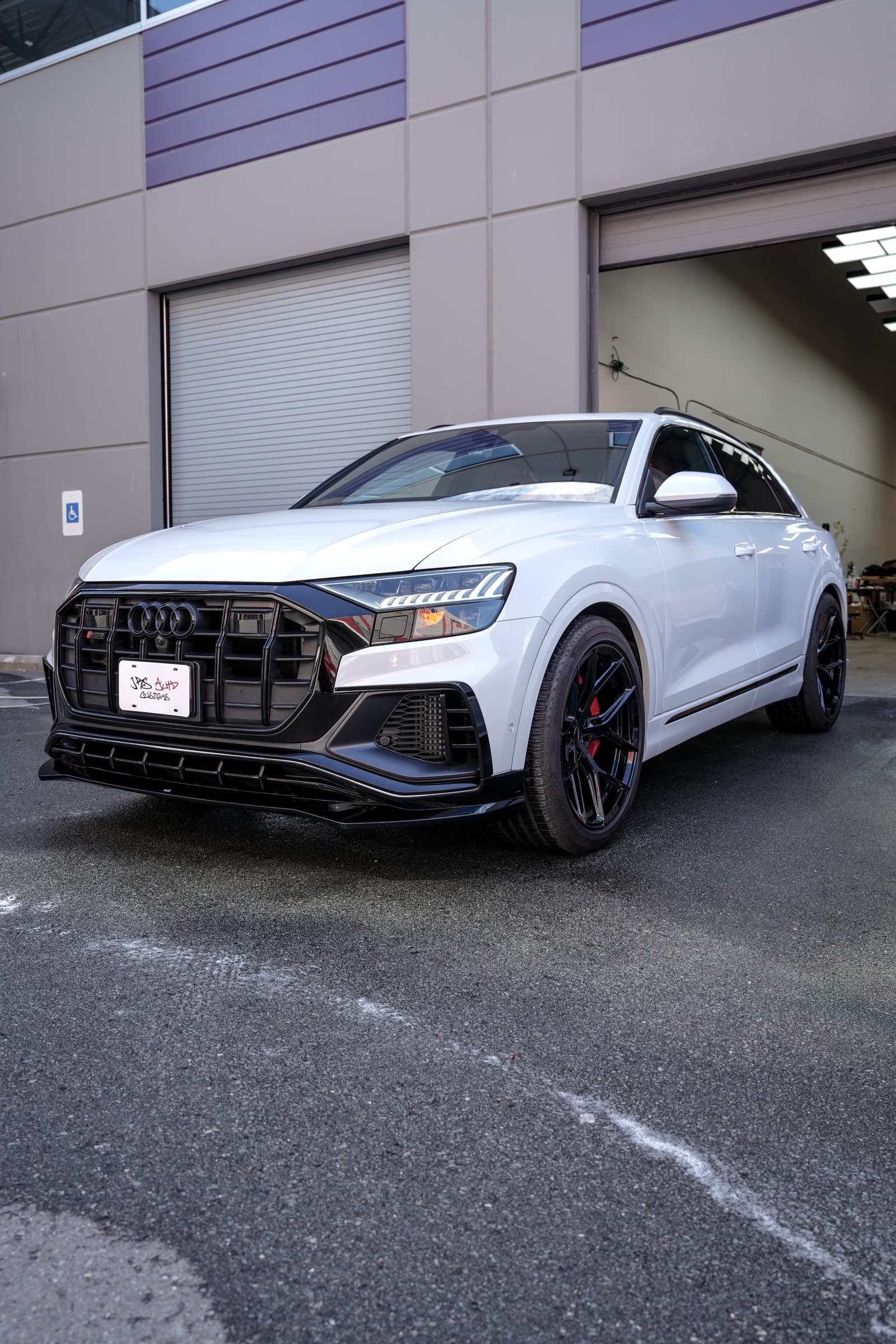
Related project: Audi SQ8 ABT Body Kit & Vossen HF5 Wheels