
Protecting Your New Car's Paint Before the First Winter
Published
The best time to protect your car's paint is before it needs protecting. Once swirl marks appear, a stone chip takes a bite out of the hood, or oxidation starts to dull the finish, you are already on the reactive side of the equation. For Vancouver drivers, this timing question is particularly relevant: the combination of coastal humidity, winter road salt, spring road grit, and sudden sun on a wet car all create conditions that begin acting on your paint the moment you drive off the lot.
What Vancouver's Roads Do to a New Car's Paint Immediately
The idea that a car needs to be driven for years before paint protection becomes relevant is a common misconception. A single highway drive on the Port Mann Bridge or the Sea-to-Sky Highway can deposit enough hard mineral grit on your paint to create visible swirl marks when washed incorrectly. A single missed exit and hard brake can send you over a curb-height ramp that marks the front bumper.
The first winter is typically the most damaging period for a new car's paint in Vancouver. Road salt is applied liberally on Highway 1 and local roads during snow and ice events, and it is chemically aggressive. It sits on horizontal surfaces, dries and concentrates, and is then spread across the paint surface by wind and the slipstream. Without protection, the first winter can permanently alter the clarity of your paint before the first anniversary of ownership.
Why Protection Is Cheaper Than Correction
Paint correction costs a multiple of what the equivalent protection costs upfront. A full single-stage correction on a vehicle that has accumulated two to three years of Vancouver's climate costs more than having a ceramic coating applied to a brand-new vehicle at the same stage.
The reason is straightforward: correction requires labour, typically one to two days of work for a full vehicle. When you protect a new car from day one, you are investing in preserving the condition the car arrived in. When you correct an older car, you are paying for the correction labour and accepting the irreversible loss of clear coat material that each correction stage removes.
What Protection to Get and When
The two options most relevant for new car owners are ceramic coating and paint protection film.
Ceramic coating is applied to the full painted surface and provides hydrophobic protection, UV resistance, and chemical resistance from day one. For a new car in Vancouver, ceramic coating applied within the first few months of ownership captures the paint at its original condition and keeps it there with appropriate maintenance.
Paint protection film is the right choice if your vehicle will see heavy highway driving, will be parked in areas with high pedestrian traffic, or if you want the highest level of impact resistance for the leading edges. PPF on a new car can be applied to the full body or to the most exposed areas: front bumper, hood, mirrors, and door edges.
For the highest level of protection, combining both is an option: PPF on the leading edges and ceramic coating over the full surface. The areas most exposed to physical impact are protected by film, and the remaining paint has ceramic coating's chemical and UV resistance.
What Not to Do in the First Months
Before protection is applied, there are things worth avoiding. Do not take a new car through an automatic car wash until you know whether it is a touchless system or a brush system. Brush car washes are one of the most common causes of premature swirl marks on new vehicles.
Avoid parking under trees in areas with high bird activity. The acid in droppings can etch paint if not removed promptly, and fresh paint is particularly visible to birds.
Do not apply aftermarket waxes or quick detailer products before checking whether they are compatible with the protection you plan to apply. Some products leave residues that can interfere with ceramic coating adhesion.
When to Act
The window for maximum value from paint protection is the first months of ownership, before significant mileage accumulates. The longer you wait, the more likely it is that wash-induced defects, environmental fallout, and road debris have begun affecting the paint.
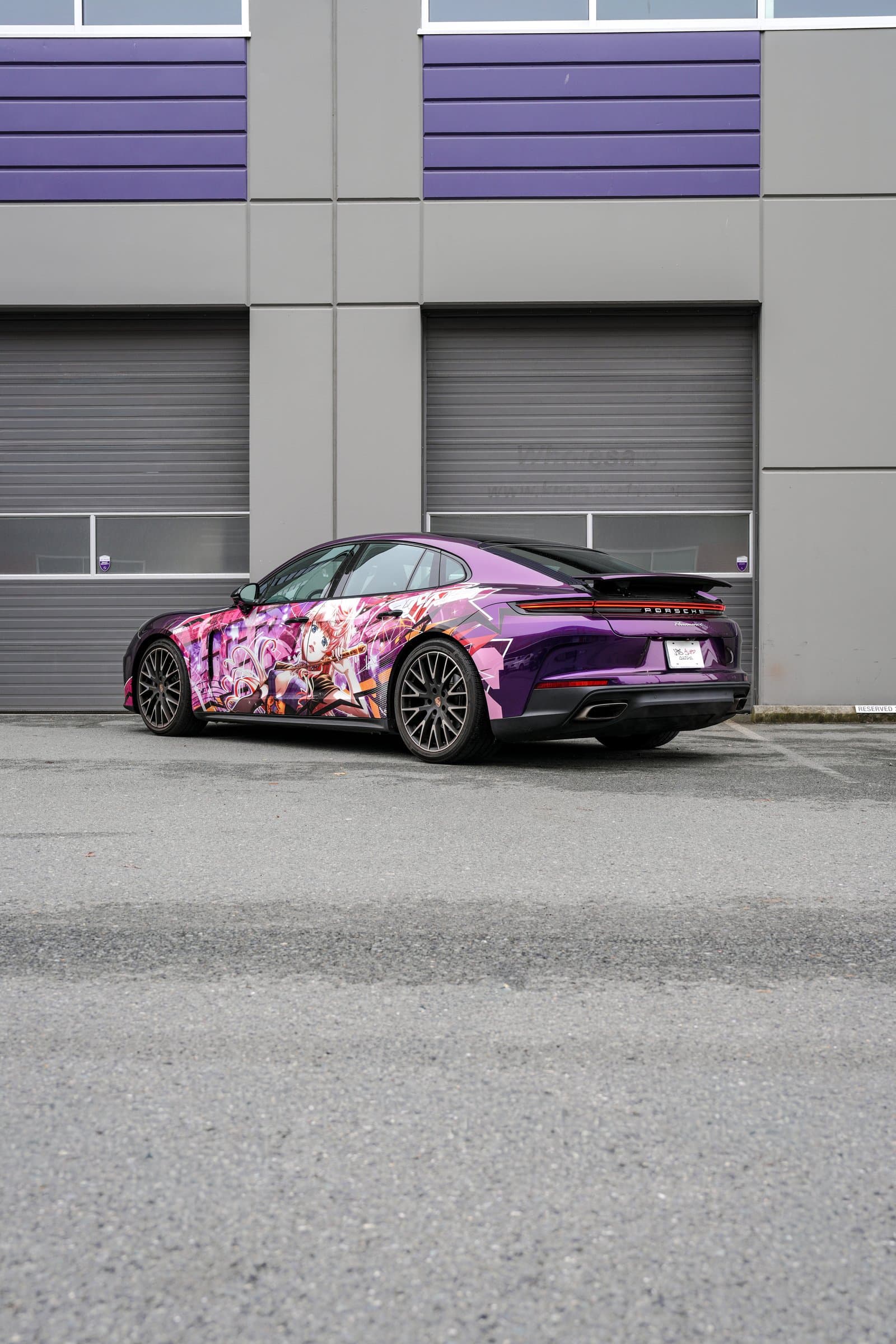
If your vehicle is new or nearly new and you are considering protection options, JRS Auto Customs can advise on the approach that fits your vehicle, your driving patterns, and your budget. Browse our Porsche Panamera portfolio project to see an example of a full protection installation, or visit our PPF service page to learn more.
Related project: Porsche Panamera Purple Itasha Anime Wrap