
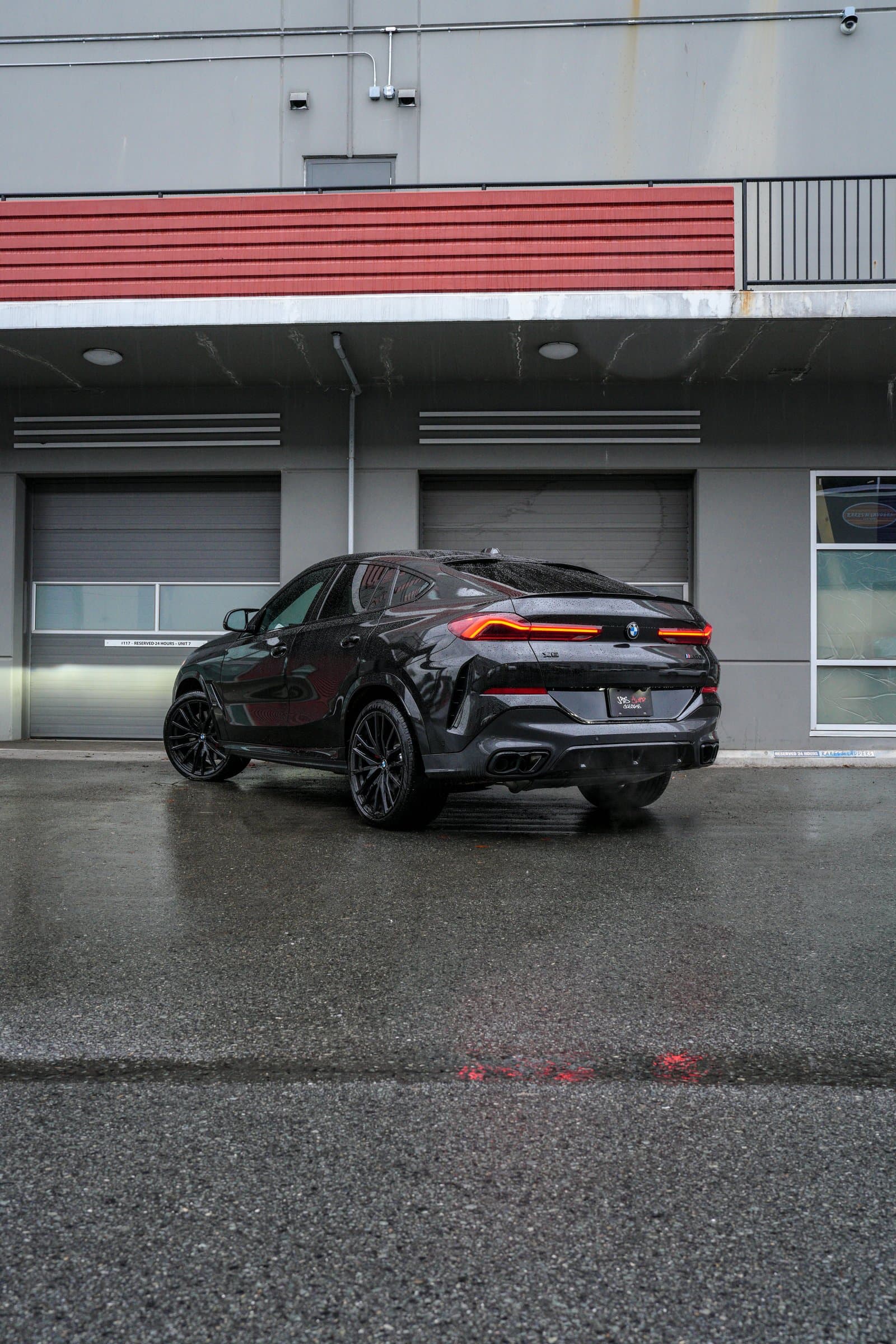
PVC vs TPU: Choosing the Right Colour Change Wrap
Published
Car owners choose colour change wraps for different reasons: a full visual transformation, a cheaper alternative to respray, protection for original paint underneath, or simply the freedom to change the colour again later. Whatever the reason, the material you choose determines how long the wrap lasts, how it handles Vancouver's climate, and how it looks after a couple of years. Here is what matters before you commit.
PVC Vinyl vs TPU: The Core Material Choice
Almost every colour change wrap falls into one of two material families.
PVC vinyl is the original colour change film. It is cast or calendered into thin sheets with a coloured layer on top and adhesive on the back. The coloured surface can be gloss, matte, satin, or textured. It is the most affordable option and covers a wide colour range. The trade-off is longevity: most PVC wraps last two to four years in Vancouver's coastal climate before the edges begin to lift or the surface shows UV fade.
TPU — thermoplastic polyurethane — is a tougher, more elastic material originally developed for paint protection film. TPU colour-change films are thicker, more resistant to stone chips and minor abrasion, and hold their colour and finish longer in UV-heavy conditions. The downside is cost: a full TPU colour change typically costs more than an equivalent PVC wrap. But if you want the wrap to last five years or more in a city that gets strong summer sun followed by wet winters, TPU is worth serious consideration.
3M, Avery Dennison, and XPEL all produce both PVC and TPU colour-change lines. Each brand has its own adhesive system and recommended installation temperature range — important in Vancouver, where cold garage temperatures in winter can affect how the film bonds.
What the Installation Process Looks Like
A full colour change wrap is not a single-afternoon job. A complete vehicle wrap on a midsize SUV involves three to five days of work at the shop. Here is the general sequence:
Day one is preparation: the vehicle is washed, decontaminated, and any surface defects that would show through the film are dealt with. Minor scratches and stone chips can often be polished out; anything deeper may need spot repair first.
Days two through four are the wrap itself. Every panel is measured, the film is cut or plotted to fit, and each piece is applied with a slip solution and then squeegeed into place. Complex curves — door edges, bumper contours, around mirrors — require the film to be heated and stretched, which is where installer skill makes the most difference. A rushed install will show gaps, lifting edges, and visible seams within months.
The final day is inspection, edge-sealing, and a quality walkthrough. The car is checked under good lighting for any remaining bubbles, wrinkles, or lifted edges before it leaves the bay.
JRS Auto Customs handles full colour change installations in Vancouver. See the colour-change service page for what the process involves and to ask about booking.
Vancouver Climate and Wrap Longevity
Vancouver's combination of strong summer UV, winter road salt, and persistent rain affects wrap materials in specific ways.
UV exposure is the main driver of colour fade and surface degradation in both PVC and TPU. The North Shore mountains actually increase UV intensity at elevation — a car parked at a higher elevation in North Vancouver will see more UV than the same car in downtown Toronto at the same latitude. If the car spends significant time outdoors in the summer, UV fade will be the limiting factor on wrap life regardless of material choice.
Road salt and brine are less of a problem for the wrap film itself than for the adhesive layer underneath. Salt water can work its way under edges and seams over time, especially at the lower edges of panels and around wheel arches. Lifted edges caused by salt intrusion are the most common reason wraps fail prematurely in Vancouver winters — not because the film degrades but because the bond to the paint does.
The practical implication: edges and seams need to be sealed properly at installation, and any edge that begins lifting should be addressed before winter. A small lift repaired in October costs far less than a full rewrap in March.
Reversibility and the Paint underneath
One of the main attractions of a colour change wrap is that it is reversible — unlike a respray, the original paint is still there when the wrap comes off. That reversibility depends on how well the paint was prepared before the wrap went on and how long the wrap stayed on.
A quality wrap on factory paint that was clean and defect-free at the time of installation will come off cleanly for three to five years. After that, adhesive residue becomes more likely, and removing the wrap may require a heat gun and solvent cleanup. After seven or more years, adhesive removal is nearly always necessary — budget for that if you plan to keep the car long-term.
If there are touch-up panels or respray sections on the car, those areas may not bond as well and the wrap may lift or fail earlier there. Worth mentioning at the time of quoting so the installer can assess and advise.
Related project: BMW X6 M60i — Metallic Black 3M Wrap