
Wheel Care in Vancouver: A Practical Guide
Published
Before heading out on a long drive from Vancouver — whether it is a weekend trip up the Sea to Sky, a summer road trip toward the interior, or a longer journey across BC — there are several vehicle checks worth doing that take less than thirty minutes and can mean the difference between a smooth trip and a breakdown on the Shoulder or the Coq.
Tyres: Pressure, Condition, and Spare
Tyres are the most important safety check before a long drive. Check the pressure against the specification on the sticker inside the driver door frame — not the number printed on the tyre sidewall. Tyre pressure drops gradually in cold weather and increases with heat, so if you last checked pressure in November and you are driving in July, the pressure is likely different from what it was. Uneven pressure between tyres is a sign of a slow leak that should be investigated before the trip.
Inspect the tyre sidewalls for cuts, bulges, or signs of impact damage — particularly if you have hit any potholes on Lower Mainland roads over the winter and spring. A sidewall bulge is not something to drive on, even on a short trip. Check the spare tyre if your vehicle has one, and verify that the jack and wheel-nut key are in the vehicle.
Fluids: Coolant, Oil, and Windscreen Wash
Engine coolant should be at the correct level and should have been flushed at the interval specified by the manufacturer — typically every two to five years depending on the specification. Coolant that has not been changed for several years loses its corrosion-inhibiting properties and can cause damage to the cooling system internally. If you are driving toward the interior in summer, where temperatures are significantly higher than the coast, paying attention to coolant condition before a long trip is particularly important.
Engine oil level and condition should be checked on a flat surface when the engine is cold. Oil that is dark and opaque — rather than amber and translucent — has been in service long enough that it should ideally be changed before a demanding trip. Windscreen wash fluid should be topped up with fluid rated for sub-zero temperatures if you are travelling into areas where overnight temperatures drop, even in summer.
Brakes and Lights Before the Long Drive
Have someone stand outside the vehicle while you cycle through all the lights — headlights, high beams, indicators, brake lights, and hazard lights. Any failed bulb should be replaced before the trip. On a long highway drive at night, having a headlight out on an unlit mountain road is significantly more dangerous than it would be around the city.
Brake condition is worth a quick visual check: look at the thickness of the brake pads through the wheel spokes if possible, and listen for any scraping or squealing that was not present before. A car that pulls to one side under braking should be inspected before a trip rather than after.
Protecting Your Car on a Long Trip
A long highway drive exposes your vehicle to more stone chips, road grit, and bug accumulation than a week of city driving. Vehicles without paint protection film on the front-facing panels will accumulate chips on the hood and front bumper over a long trip on the highway. If you are planning a trip and have been considering PPF, having it applied before the drive means the protection is in place before the road does its work.
For vehicles that already have PPF, a quick inspection of the film edges — particularly at the hood leading edge, front bumper corners, and mirror housings — is worth doing. Any lifting edges should be addressed before a trip, because once the film has started to lift, road wind can work under it and accelerate the separation.
What to Pack in the Car Before You Go
Beyond the obvious — phone charger, water, snacks — the practical additions for a BC road trip include: a torch or headlamp with fresh batteries, a reflective warning triangle, a basic tool kit, and a first aid kit. If you are driving toward the interior in summer, extra windscreen wash fluid and a bottle of water for the cooling system are useful additions. A jump starter pack in the boot is worth having regardless of battery age.
If your vehicle has PPF or ceramic coating and you want it inspected before a long trip, or if you are considering applying protection before an upcoming drive, the team at JRS Auto Customs can assess the current condition and advise on what makes sense for your trip. If the vehicle is coming back from a long trip with accumulated stone chips or contamination that needs attention, booking a detail before the vehicle is cleaned and left to sit for any length of time will give the best result, since fresh contamination is easier to address than bonded material that has been sitting for weeks.
For drivers considering paint protection before a long trip, browse PPF packages and installation options at JRS Auto Customs.
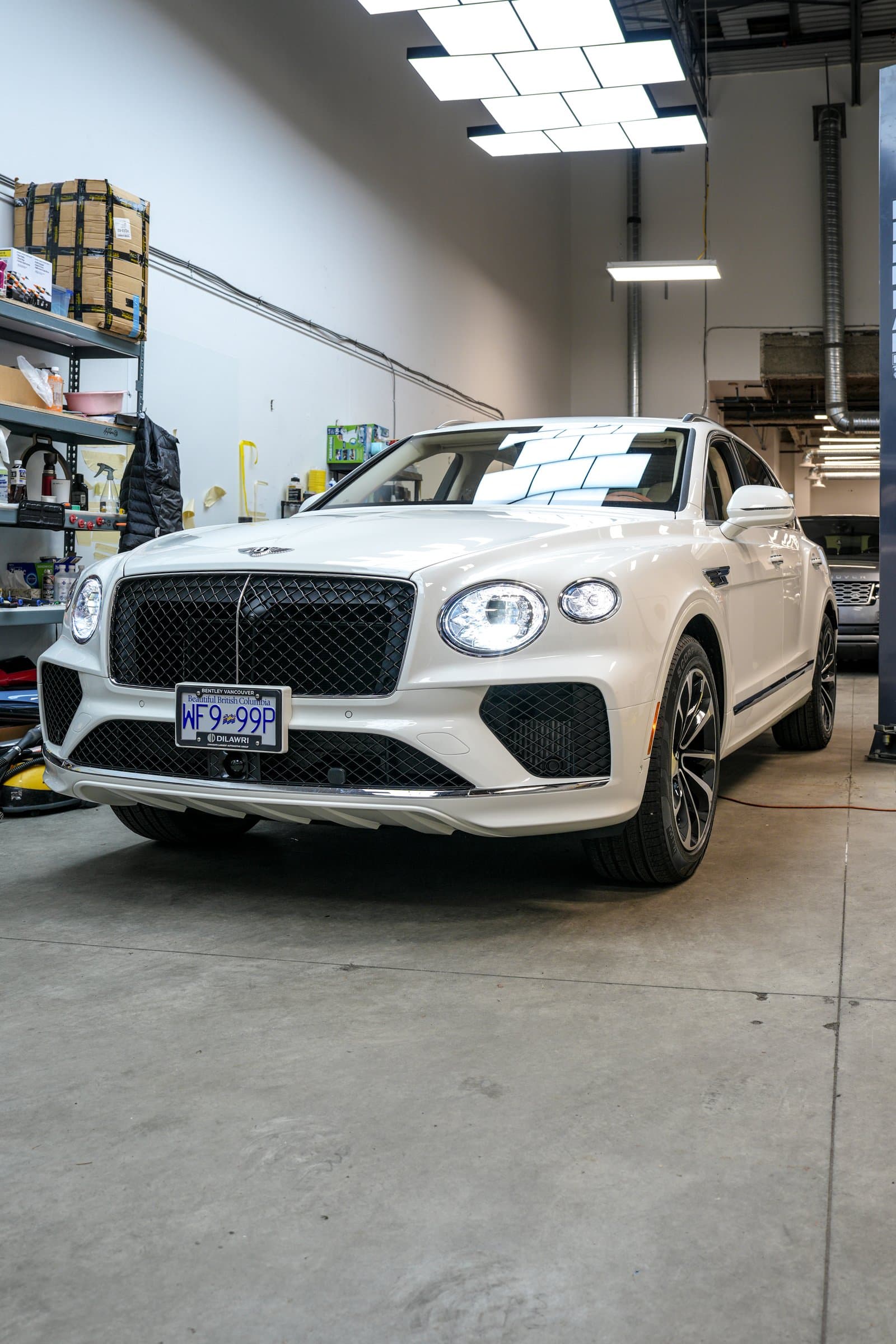
Related project: Bentley Bentayga — Full Clear PPF