
Roof Colour Change Wraps: The Two-Tone Upgrade
Published
A contrasting roof wrap is one of the most understated ways to change the character of a car. Rather than a full colour-change wrap across the whole body, the roof wrap focuses on a single panel — the roof — in a colour that contrasts with the body. The result looks considered and deliberate, as if the car was optioned this way from the factory.
Why the Roof Panel Specifically
The roof is the most visible large panel on a car from any angle, and it is one of the most legible panels for a colour change because it is uninterrupted by door seams, handles, or trim. A roof wrap in a contrasting colour creates a two-tone effect that reads clearly from the sidewalk, from a parking structure, and in photographs.
From a practical standpoint, the roof is also one of the most sun-exposed panels on the car. UV exposure accelerates fading on any painted surface, and the roof takes the most direct sun year-round. A colour-change wrap on the roof protects the original paint underneath from UV while simultaneously delivering the visual change.
For owners who lease their vehicle, the roof wrap is also more reversible than a full-body wrap. The original paint under the roof is preserved and protected during the lease period, and the wrap can be removed at lease-end without touching the body panels.
Colour Combinations That Work
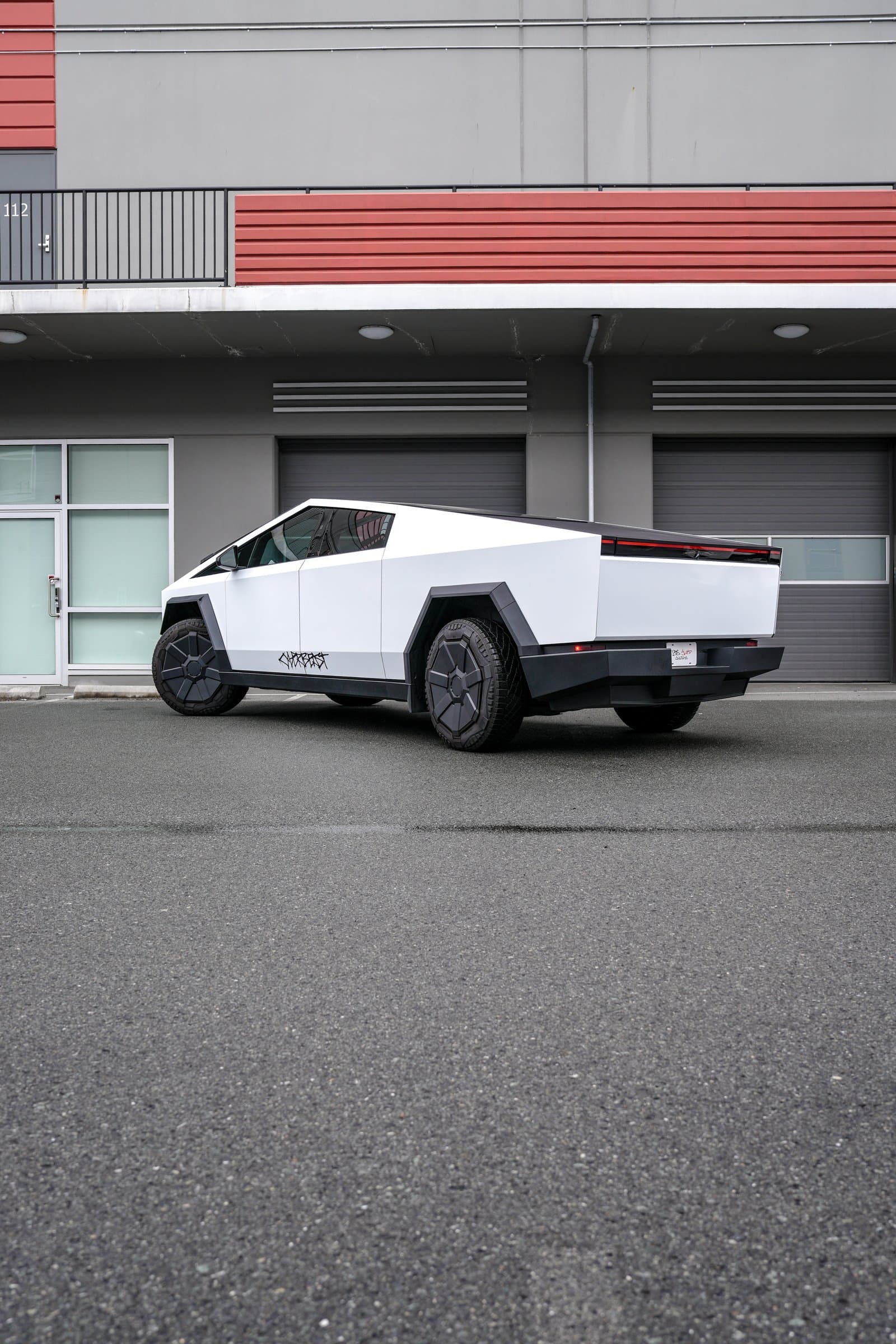
The classic two-tone combination is a gloss white body with a gloss black roof — clean, high-contrast, and immediately readable. This works on almost any vehicle, from a daily-driver sedan to a sports car.
Matte black roof on a metallic silver or pearl white body is another popular combination. The matte finish absorbs light rather than reflecting it, which creates a visual depth that contrasts with the metallic shine of the body. The result is more sophisticated than a gloss-on-gloss combination.
For owners who want something less conventional, a gloss colour change on the roof — in a deep blue, forest green, or burgundy — against a neutral body creates a more distinctive look while still reading as intentional. The key principle is contrast: the roof colour should be different enough from the body that the two-tone reads immediately.
Satin finishes sit between gloss and matte, and are particularly effective on larger vehicles — SUVs and full-size trucks — where the larger roof surface makes the satin sheen more visible than it would be on a smaller car.
What Installation Looks Like for a Roof Wrap
Roof wrap installation is a specialist job that requires the right preparation and technique. The roof panel must be thoroughly cleaned and decontaminated before the film is applied — any contamination under the film will be permanently visible. On vehicles with a sunroof, the installer must work around the sunroof mechanism, which adds complexity to the installation.
The quality difference between a basic roof wrap and a professional installation is most visible at the edges. A quality installer will wrap the film under the weatherstripping at the sides of the roof, and around the edges of any roof rails or antenna mounts. A flush-cut edge without edge-sealing will begin to lift within months, particularly on a panel that is exposed to weather as directly as the roof.
Installation time for a standard sedan roof is typically two to three hours. For vehicles with a full-length panoramic glass roof or roof rails, installation time increases and material cost rises accordingly.
Maintenance of a Roof Wrap
A roof wrap requires the same care as any other vinyl wrap. Wash with a pH-neutral automotive shampoo, avoid pressure washing the film edges directly, and inspect the edges seasonally — particularly before winter and after the wet season.
A roof wrap on a vehicle parked outside will last longer than one in a garage in direct sun, all else being equal. UV exposure is the primary aging factor for vinyl film, and the roof is the most exposed panel on the car. If outdoor parking is unavoidable, a ceramic top coat applied over the vinyl after installation can slow UV degradation.
Roof Wrap vs Full-Body Colour Change
A roof wrap costs significantly less than a full-body colour-change wrap — both in material and in labour — and takes a fraction of the installation time. For owners who want a visual transformation without the commitment or cost of a full wrap, the roof is the highest-impact single panel to change.
The limitation is that a roof wrap changes only one visual element. If you want to change the overall colour of the vehicle rather than add a two-tone effect, a full-body colour change is the appropriate choice.
Book a consultation at JRS Auto Customs to discuss roof wrap options for your vehicle, including colour combinations, finish choices, and whether a full-body wrap might better suit your goals.
Explore colour change wrap options at JRS Auto Customs.Related project: Mercedes C-Class TPU Diamond White Color Wrap