
Roof Racks and Cargo: What Vancouver Drivers Need to Know
Published
Vancouver is surrounded by mountains, trails, and water. A significant proportion of residents use their vehicle to get to those places — bikes on the back, ski gear on the roof, camping equipment in a cargo box. Adding a roof rack or cargo system is a practical upgrade, but the options and the implications of adding one are worth understanding before you commit to a purchase.
Roof Rack Types and How They Attach
The most common system is a base rack — a set of feet that attach to your vehicle's roof rails, gutters, or hardmount points — with crossbars that accept accessories. If your vehicle came with factory roof rails, a base rack that clips onto those rails is usually the cleanest and most secure option. If it did not, there are options that use a track system bolted through the roof, or feet that clamp to the door seam.
For vehicles without any mounting points, some manufacturers offer a no-drill solution that uses the door opening and a special gasket to distribute load — these are less secure and have lower weight limits, but they do not require any modification to the vehicle.
Weight Limits and What Vancouver Driving Adds
Every roof rack system has two weight limits: the dynamic capacity — the maximum load while driving — and the static capacity — the maximum load when the vehicle is stationary. Dynamic capacity is always lower and is the relevant number for daily use. Most quality base rack systems have a dynamic capacity of 75 to 100 kilograms, but this varies by vehicle, rack model, and mounting type.
Vancouver driving adds factors that are not present in the manufacturer's testing. The Sea to Sky Highway has sustained high-speed sections where cross-winds from truck traffic are significant. Highway 1 east of the city is exposed in winter and can experience side winds that stress a loaded roof rack more than the static weight limit alone would suggest. When planning load for a long highway drive, treat the rated capacity as a maximum and the actual safe load as something that accounts for the driving conditions.
Bike, Ski, and Cargo Carry Systems
Bike carriers mount to the crossbars or the rear hatch. Fork-mount carriers remove the front wheel and secure the fork, which is more secure at speed and easier to load than wheel-on tray carriers, but require removing the wheel every time. Tray carriers hold the bike by the wheels and load from the rear, which is more convenient but can be less stable in strong cross-wind on the highway.
Ski carriers are either box-style — which enclose the skis and protect them from road salt and grime — or fork-mount — which hold the skis by the bindings and expose them to the elements. For Vancouver skiers who drive to Whistler regularly, the box-style carrier is worth the weight and aerodynamic penalty because the skis arrive clean and dry rather than covered in the road film that accumulates on exposed skis over a three-hour drive.
Cargo boxes are rated by volume and by weight. A box that is aerodynamic and large enough for a week's camping kit sounds ideal, but the added height affects parking clearance in parkades and increases the vehicle's centre of gravity noticeably on mountain roads. For Vancouver's combined city-and-outdoor use, a mid-size box is often the better practical choice.
How a Roof Rack Interacts With Vehicle Protection
A loaded roof rack adds stress to the vehicle in ways that matter for paint protection. The mounting points concentrate load at specific locations on the roof, and the crossbars shift the centre of gravity upward. On vehicles with paint protection film on the roof, the film is not the limiting factor — the rack mounting hardware is. On vehicles without protection, the areas under the mounting feet and the contact points of the crossbars are exposed to abrasion over years of use.
For drivers who frequently load and unload heavy gear — ski boxes, multiple bikes — the areas around the mounting points are a candidate for PPF coverage before the rack is installed. This is especially relevant on vehicles where the rack is installed and removed seasonally, because repeated removal and reinstallation creates additional opportunity for contact damage at the mounting points.
JRS Auto Customs can advise on paint protection for vehicles that carry roof loads regularly, including coverage of the roof surface and mounting point areas. Ask the team if you are planning a roof rack installation and want to protect the paint at the same time. See our PPF services and ceramic coating options for protection when carrying regular loads.
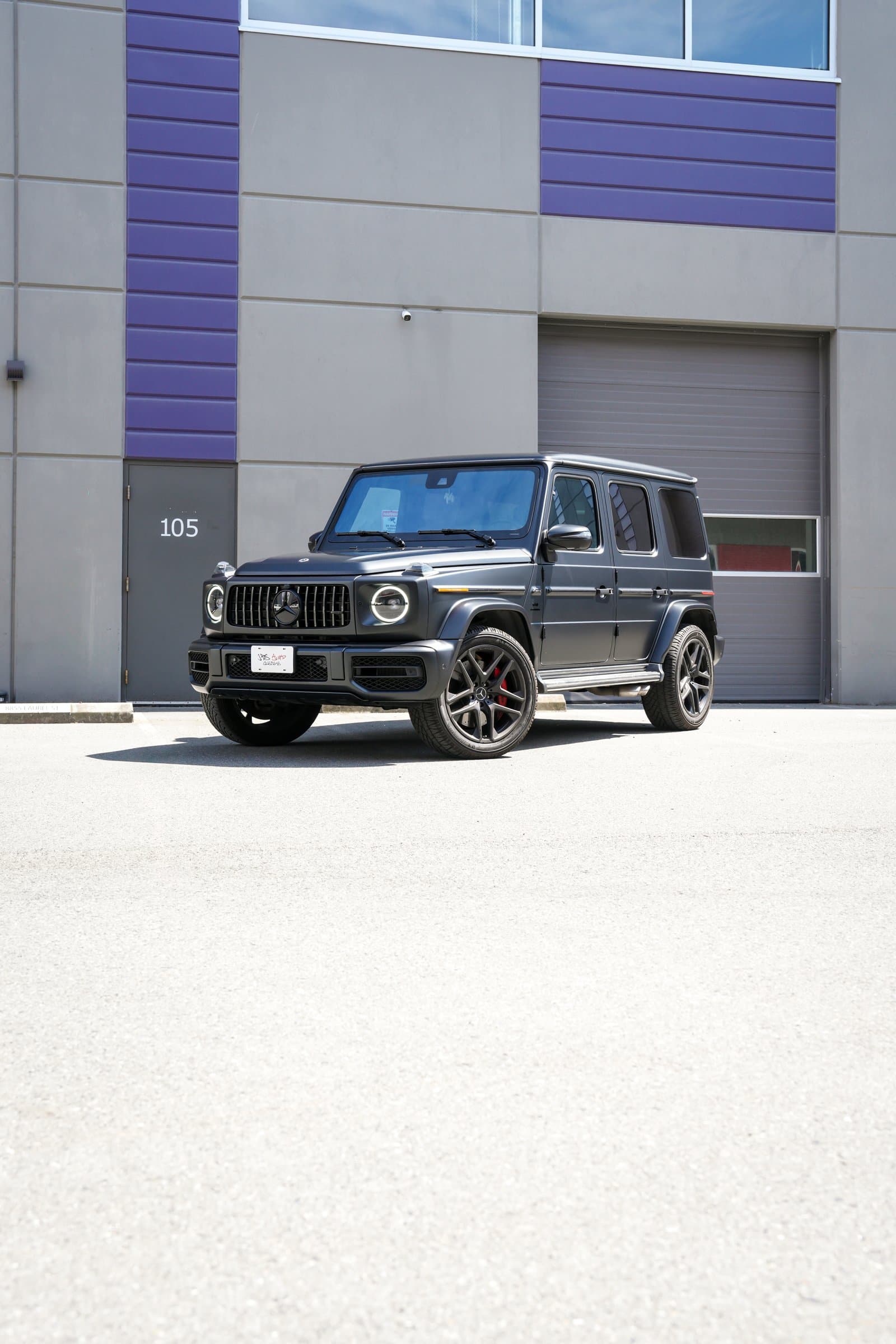
Related project: Mercedes-AMG G63 Frozen Black Matte PPF