
Protecting Your Car on Vancouver's Sea-to-Sky Highway
Published
Vancouver's Sea-to-Sky Highway is one of the most scenic drives in Canada, and also one of the most punishing on your car. Highway 99 between Vancouver and Whistler carries everything from daily commuters to weekend sports car drivers and heavy commercial traffic. The combination of high speeds, trucks, construction, and coastal weather means the road throws more at your vehicle than almost any route in the Lower Mainland. Here is what you need to know to protect your car before and after a trip on the Sea-to-Sky.
What the Sea-to-Sky Highway Does to Your Car
The most immediate hazard is gravel. Highway 99 is a designated route for commercial trucks, logging vehicles, and highway maintenance equipment. Even on a clear day, the vehicle in front of you — particularly a loaded logging truck — kicks up a continuous stream of gravel and sand onto your windscreen, hood, and front bumper. At highway speeds, even small gravel becomes a high-velocity impact threat to paintwork and glass.
Construction has been a near-constant feature on Highway 99 for years. Resurfacing work, shoulder widening, and rockfall mitigation projects all add to the debris load on the road surface, which translates directly into paintwork and windscreen risk for all vehicles behind the work zone.
Coastal weather compounds the problem. Morning fog and afternoon rain reduce visibility and stopping distances, and the road surface stays wet longer than on interior highways because of coastal humidity. The combination of moisture and road grit is particularly hard on brake components, which are working harder on the highway grades than in city driving.
Front-End Protection: The Most Critical Area
The front fascia, windscreen, hood leading edge, and side mirrors are the areas most exposed to Sea-to-Sky driving hazards. A windscreen chip from a gravel strike is the most common incident — and the most easily prevented by maintaining a safe following distance behind trucks, which reduces the density of incoming debris. But even with careful driving, some chip risk remains.
Paint protection film on the front bumper, hood leading edge, and windscreen lower arch is one of the most practical steps a Vancouver driver who regularly uses Highway 99 can take. The film absorbs gravel impacts that would otherwise mark paint or crack windscreens, and it can be replaced section by section if it takes a major hit. The alternative — a cracked windscreen or chipped hood — costs significantly more than film protection and requires the vehicle to be driven to a repair shop with damage already present.
For drivers who use Highway 99 frequently — particularly in a sports car, convertible, or any vehicle with a low front profile — ceramic coating on the windscreen adds a hydrophobic layer that makes it harder for grit to bond to the glass and easier for windscreen wipers to clear at speed.
After the Drive: Why You Should Wash Your Car
One of the most important habits for any driver who uses Highway 99 regularly is washing the vehicle within a day or two after the trip. The combination of road salt, construction grit, and brake dust that accumulates on the lower body panels and windscreen during a long highway drive is corrosive if left sitting. Salt and grit that dries onto paintwork creates micro-abrasions every time you wipe it off without pre-soaking.
A proper pre-wash rinse — using a pressure washer or garden hose — should remove the bulk of loose grit before you touch the car with a wash mitt. Never wipe a dry car after a highway drive: the grit that has dried onto the paintwork will act as sandpaper and create the very swirl marks you are trying to avoid.
Pay particular attention to the windscreen, side mirrors, and rearview camera housing. Construction grit on the windscreen creates micro-scratches every time you use the wipers, progressively reducing visibility. A clean windscreen and properly functioning wiper blades are especially important on Highway 99, where sudden weather changes are common.
Ceramic Coating and the Sea-to-Sky Drive
Ceramic coating provides meaningful protection for highway driving, but it works best as a complement to, not a replacement for, film protection. Ceramic coating on painted panels makes it harder for road grime and salt to bond to the surface, which makes post-drive washing easier. On windscreens and glass, ceramic coating significantly improves water-beading at speed — a genuine safety benefit in the rain that Highway 99 frequently delivers.
The hydrophobic effect is most valuable on windscreen glass. In heavy rain on Highway 99, a ceramic-coated windscreen allows drops to bead and blow off at speed, reducing the need for wipers and improving visibility through the wipers' range of motion.
Is Frequent Highway 99 Driving Worth the Protection Investment?
If you drive Highway 99 regularly — daily commuters to North Vancouver, Squamish, or Whistler, or anyone who regularly makes the trip in a sports car or premium vehicle — the case for protection is straightforward. The road surface conditions, traffic density, and frequency of construction work mean that damage to paintwork, windscreens, and glass is a matter of when, not if, without protection in place.
Even occasional drivers benefit from a wash after every Sea-to-Sky trip, and from windscreen film if they have experienced a chip before. The cost of film protection or ceramic coating is a fraction of the cost of a respray or windscreen replacement, and the investment compounds in value the more you drive the highway.
JRS Auto Customs offers PPF, ceramic coating, and pre-trip protection assessments for Vancouver drivers who use Highway 99 regularly. See protection work in the PPF portfolio.
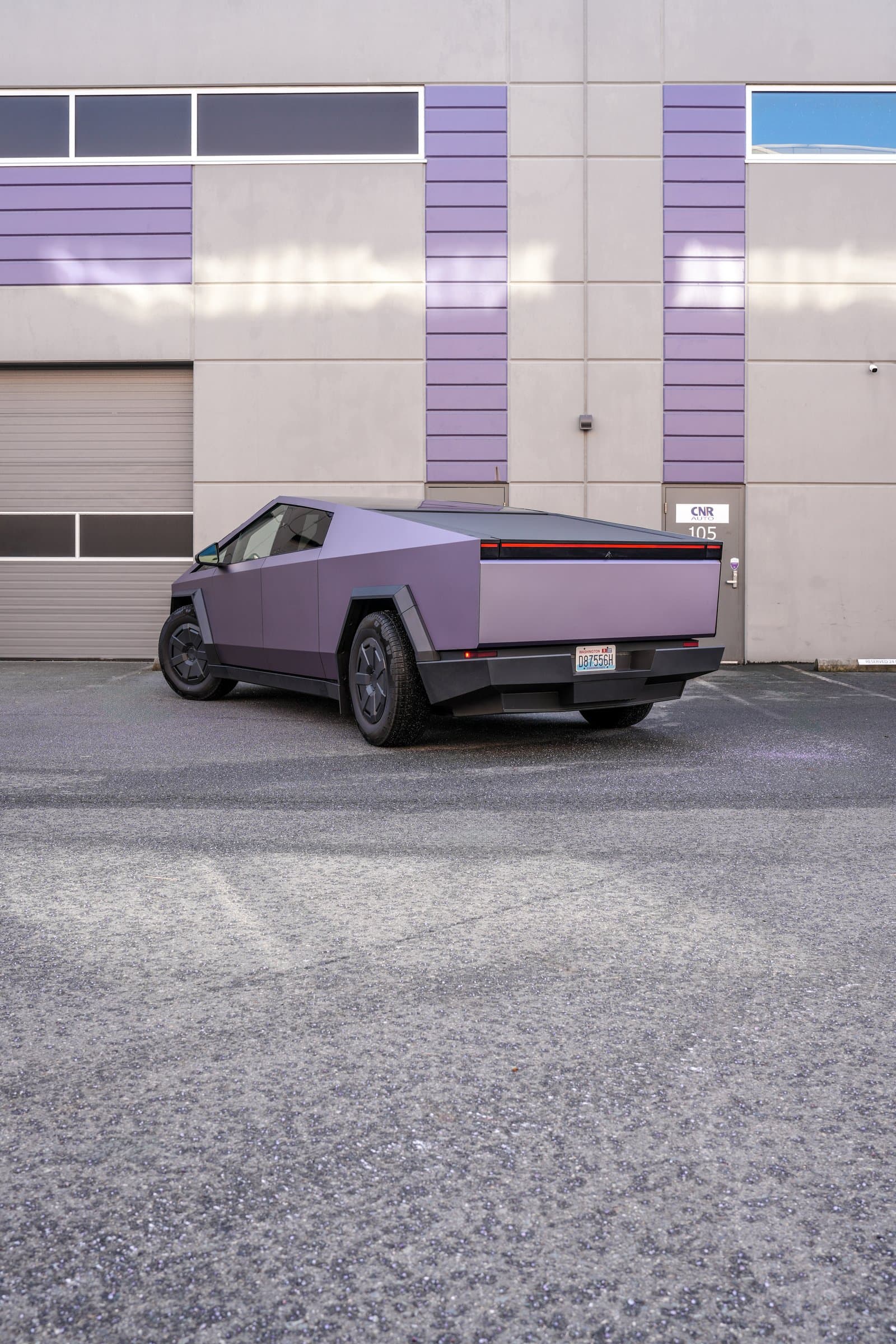
See JRS Auto Customs PPF and ceramic coating protection workRelated project: Tesla Cybertruck — Capri Grey Purple TPU Color Change