
Signs Your PPF Needs Replacing Before Winter Hits Vancouver
Published
Most people install PPF and forget about it, which is fair — the whole point of the product is that it works in the background. But PPF is not permanent, and the transition between late summer and Vancouver's wet season is exactly when accumulated wear becomes obvious and when further damage accelerates. Here is what to look for before the worst weather arrives.
The Four Signs Your PPF Needs Attention Before Winter
The first sign most owners notice is edge lifting. PPF is applied with adhesive to every panel edge and the bond is strongest in the first months after installation. Over time — particularly if the vehicle is washed with high-pressure equipment regularly or exposed to road salt — the adhesive can begin to fail at the edges first. A lifting edge is more than cosmetic: water and contaminants get underneath the film and accelerate both adhesive failure and surface contamination of the paint underneath. If you can slide a fingernail under the edge of the film, it needs attention.
Edge Lifting: The First Sign of Adhesive Failure
Edge lifting typically starts at the front bumper, bonnet, and door edges — the panels most exposed to pressure washing, road debris, and environmental contamination. Once water gets under the film, the adhesion deteriorates progressively. The fix depends on how far the lifting has progressed: a recently lifted edge in the first year after installation can sometimes be re-adhered by a professional installer; older or more extensive lifting requires replacement of that panel section.
Surface Dulling: When the Film Is Losing Its Clarity
The second sign is a change in surface appearance. High-quality PPF is optically clear and adds no visible texture to the paint. As the film ages, exposure to UV, road salt, and repeated washing degrades the surface chemistry and the film begins to look slightly dull or hazy. This is particularly noticeable on dark-coloured vehicles where the reflection looks different from the rest of the panel. A dulled film has reduced hydrophobic properties and is more prone to staining.
Self-Healing Decline: The Silent Reduction in Protection
The third sign — and the one most owners miss — is a decline in self-healing capability. Modern PPF has an elastomeric top coat that repairs minor scratches when heat is applied, either from sunlight or a heat gun. This self-healing function degrades over time as the surface chemistry oxidises. If minor scratches that used to disappear in a warm afternoon are now staying visible, the top coat has worn and the film's protective capability has been reduced even if the underlying urethane is still intact.
Discolouration and Yellowing in Clear PPF
A fourth issue worth watching for is discolouration or yellowing, particularly on clear PPF. Clear film can develop a slight amber or yellow tint over several years of UV exposure. This is a sign that the UV inhibitors in the film have been depleted and the underlying paint is no longer receiving the UV protection the film was designed to provide. Discoloured clear PPF should be replaced even if the adhesive is still holding.
What Vancouver Winter Does to Worn PPF
Vancouver's winter climate makes all of these issues worse. Road salt accelerates adhesive degradation, persistent rain prevents edges from staying dry and bonding, and lower temperatures mean less natural self-healing from sunlight. The practical approach is to inspect your PPF in September, before the worst weather arrives. If the film passes inspection, wash and decontaminate it before winter to maximise the remaining self-healing window. If it does not pass, replacement before the wet season avoids the situation of driving with compromised protection through the months when road damage is most likely.
When to Replace and When to Maintain
The replacement process for worn PPF is straightforward at JRS Auto Customs: the old film is carefully removed without damaging the underlying paint, the surface is decontaminated and inspected, and new film is applied. Removal takes a few hours; installation depends on coverage area. If you are having any other work done at the same time — ceramic coating, a colour change, or a detail — combining it with PPF replacement makes practical sense and can reduce overall shop time.
JRS Auto Customs in Vancouver can assess your PPF condition and advise whether replacement makes sense before winter. We also install PPF on new vehicles — ask about PPF protection at the same time as any other work you are having done.
Related Services at JRS Auto Customs
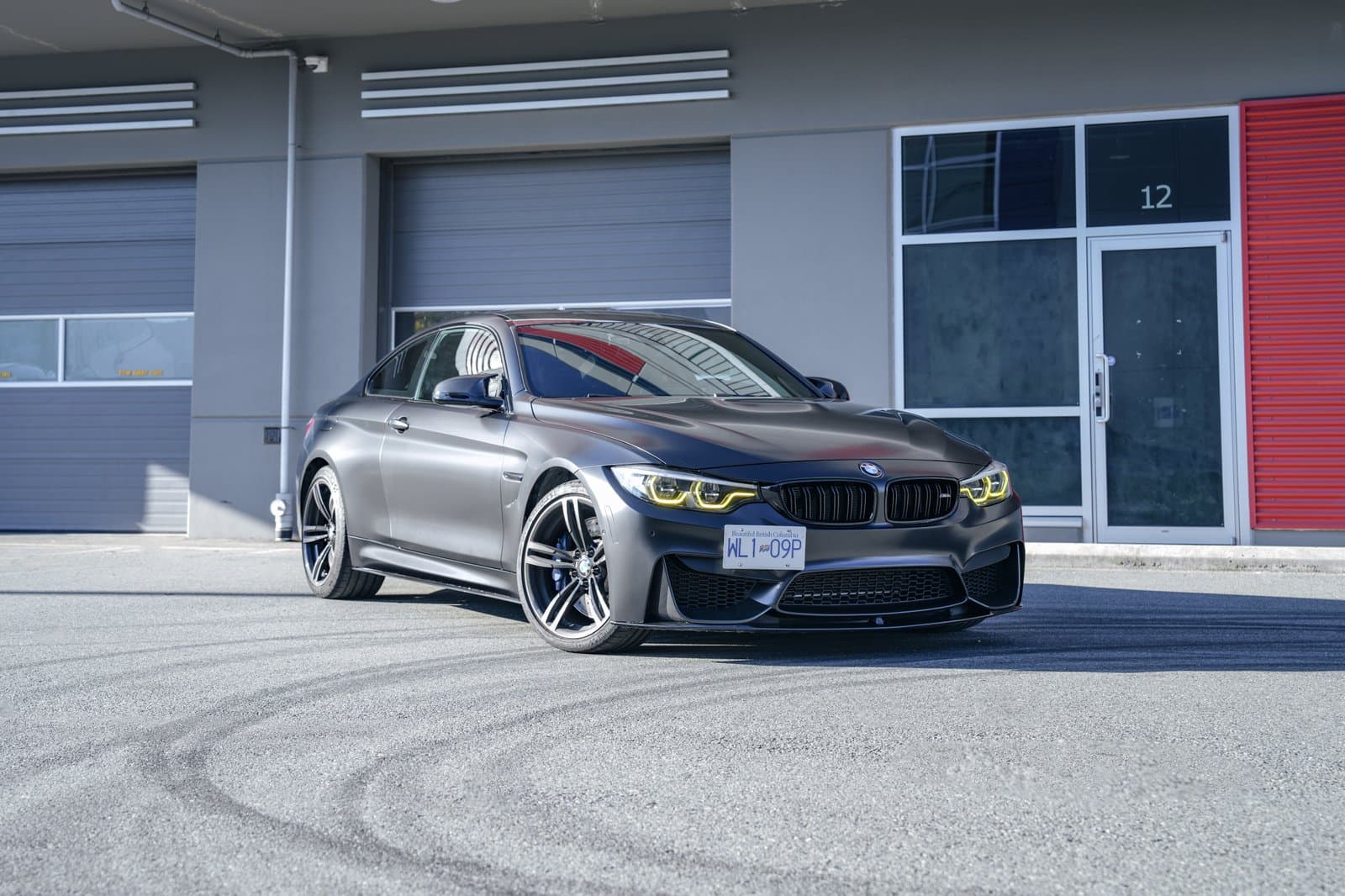
See our PPF work in the BMW F82 M4 Matte PPF project portfolio. JRS Auto Customs installs and replaces PPF on all vehicle types. Explore our services: PPF installation, ceramic coating, and wheel upgrades.
Related project: BMW F82 M4 Matte PPF