
Snow Brushes and Ice Scrapers on PPF and Vinyl Wraps
Published
Every November in Vancouver, the first hard frost or early trip up the Sea-to-Sky catches drivers off guard. You grab whatever brush is sitting in the trunk, sweep heavy wet snow off the hood, and scrape crusted ice along the windshield perimeter. On bare factory clear coat, that habit already leaves fine swirl marks. On a car finished with paint protection film or a colour-change vinyl wrap, the wrong winter tool can scar the surface or catch a seam in seconds.
Understanding how each film reacts to bristles, plastic blades, and freezing temperatures helps you clear your car safely without undoing the protection you paid for.
How Stiff Bristles and Plastic Scrapers Affect Different Films
Not every protective or decorative film behaves the same way when a brush drags grit across it in cold weather. A ceramic coating top layer helps wet snow slide off more easily, but it still will not stop a hard edge from gouging soft film:
- Gloss TPU PPF: Urethane film absorbs light friction well and can self-heal shallow marks with warmth, but coarse nylon bristles loaded with road grit still grind micro-scratches into the topcoat. A hard plastic scraper jabbed near a hood or fender edge can catch and lift the film.
- Matte and Satin PPF: Textured matte topcoats cannot be machine-polished if a stiff brush burnishes a glossy streak into the surface. Once a bristle or scraper scuffs a satin finish, that shiny mark stays visible.
- Cast Vinyl Colour-Change Wraps: PVC vinyl is thinner and softer than urethane PPF, and it does not self-heal. In sub-zero parking lots near Whistler or Cypress, vinyl turns stiffer and more brittle, making it easy for a scraper corner to gouge or tear.
- Tinted and Coated Glass: Plastic scrapers dragged over dry road salt and sand on the windshield create fine wiper-arc scratches, and hitting the black frit border too hard can nick neighbouring A-pillar film.
Where Winter Clearing Causes the Most Film Damage
Most winter tool damage we see in the shop is not across the middle of a flat roof panel. It happens at the boundaries where film meets trim, glass, or a body seam.
- Hood and Fender Edges: Sweeping snow sideways across a wrapped hood line forces stiff bristles under exposed or tucked film edges, especially when ice has bonded to the panel gap.
- Windshield Cowls and A-Pillars: Hacking ice out of the lower windshield corner often sends the scraper blade straight into the A-pillar PPF or the painted wiper cowl edge.
- Roof Rails and Trunk Lips: Pushing a heavy crust of wet coastal snow off the roof in one shove drags grit from the lower body and catches roof-wrap seams or rear spoiler edges.
- Headlight Lenses: Scraping frozen slush off polycarbonate headlights wrapped in clear film can haze the outer surface and dull nighttime beam clarity.
Safer Ways to Clear Snow and Frost Without Touching the Film
You do not need to leave snow piled on your car to keep your wrap or PPF intact. A few simple changes to your winter kit eliminate almost all contact damage:
- Use a Closed-Cell Foam Snow Broom: A soft foam head pushes deep snow off the hood, roof, and trunk without stiff bristles. Leave a thin quarter-inch layer of snow on painted or wrapped panels rather than scraping down to bare film.
- Pre-Warm the Cabin First: Running the front and rear defrosters for five to ten minutes softens the bond between ice and glass so slush slides off with a soft silicone squeegee instead of a hard plastic chisel.
- Keep a Microfiber Wrap-Safe Mitt on Hand: For light dry powder, a clean plush microfiber mitt or foam pad wrapped in a soft towel glides over film far more gently than nylon bristles.
- Skip Hot Water on Frozen Film: Pouring hot water over a freezing windshield or wrapped hood creates thermal shock that can crack glass and stress adhesive edges.
What to Do If a Brush or Scraper Already Left Marks
If you notice faint linear haze on gloss TPU PPF after a snowstorm, avoid polishing it aggressively right away. Park the car in a warm underground garage or rinse the panel with warm water during a gentle hand wash so the urethane topcoat has a chance to relax and self-heal.
Deep gouges in vinyl wrap, lifted edges along an A-pillar, or scuffed matte PPF cannot be buffed out safely at home. Book an inspection before road salt and wash water work underneath a lifted corner, because catching an edge early often saves the panel from needing a full re-wrap.
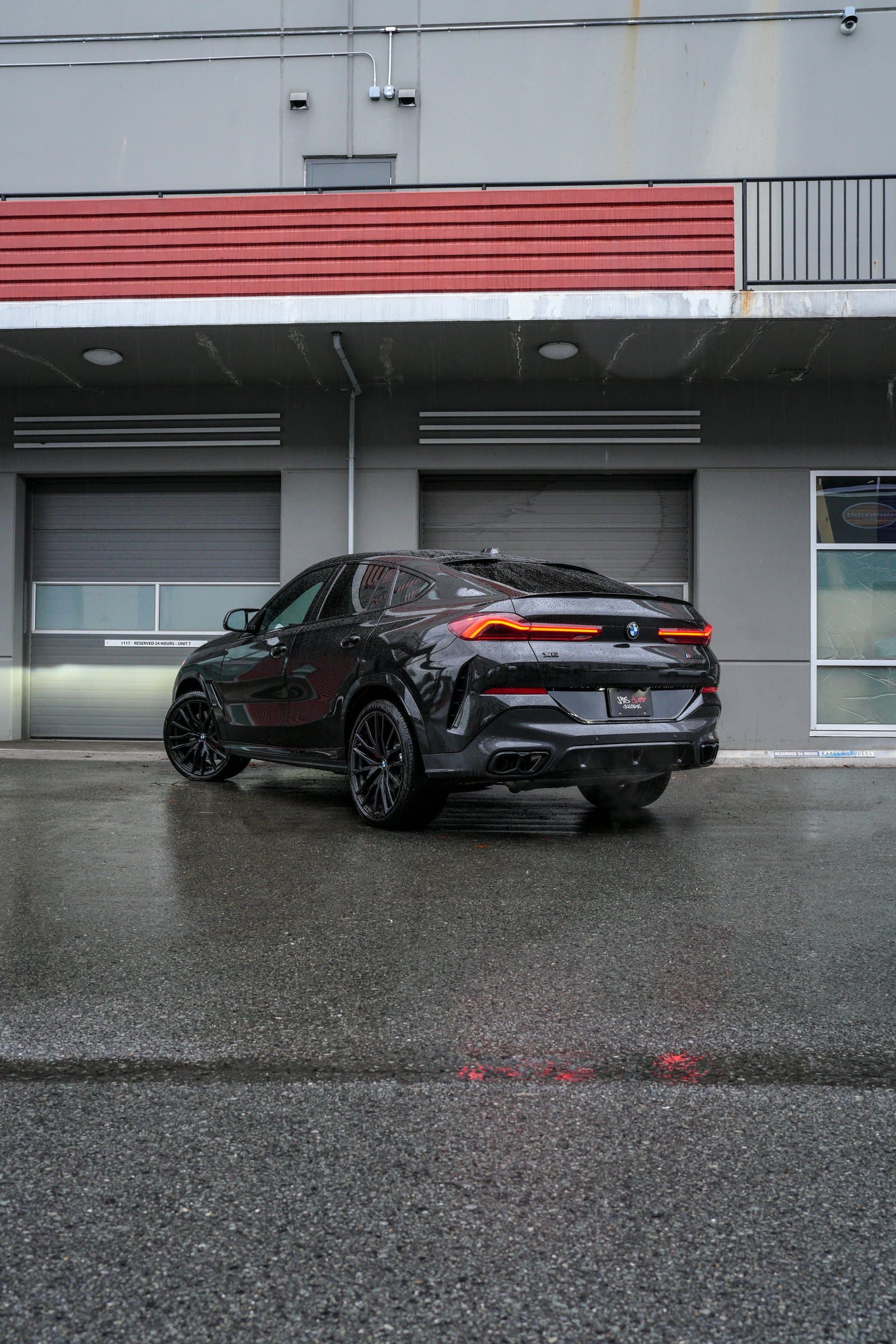
Related project: BMW X6 M60i — Metallic Black 3M Wrap