
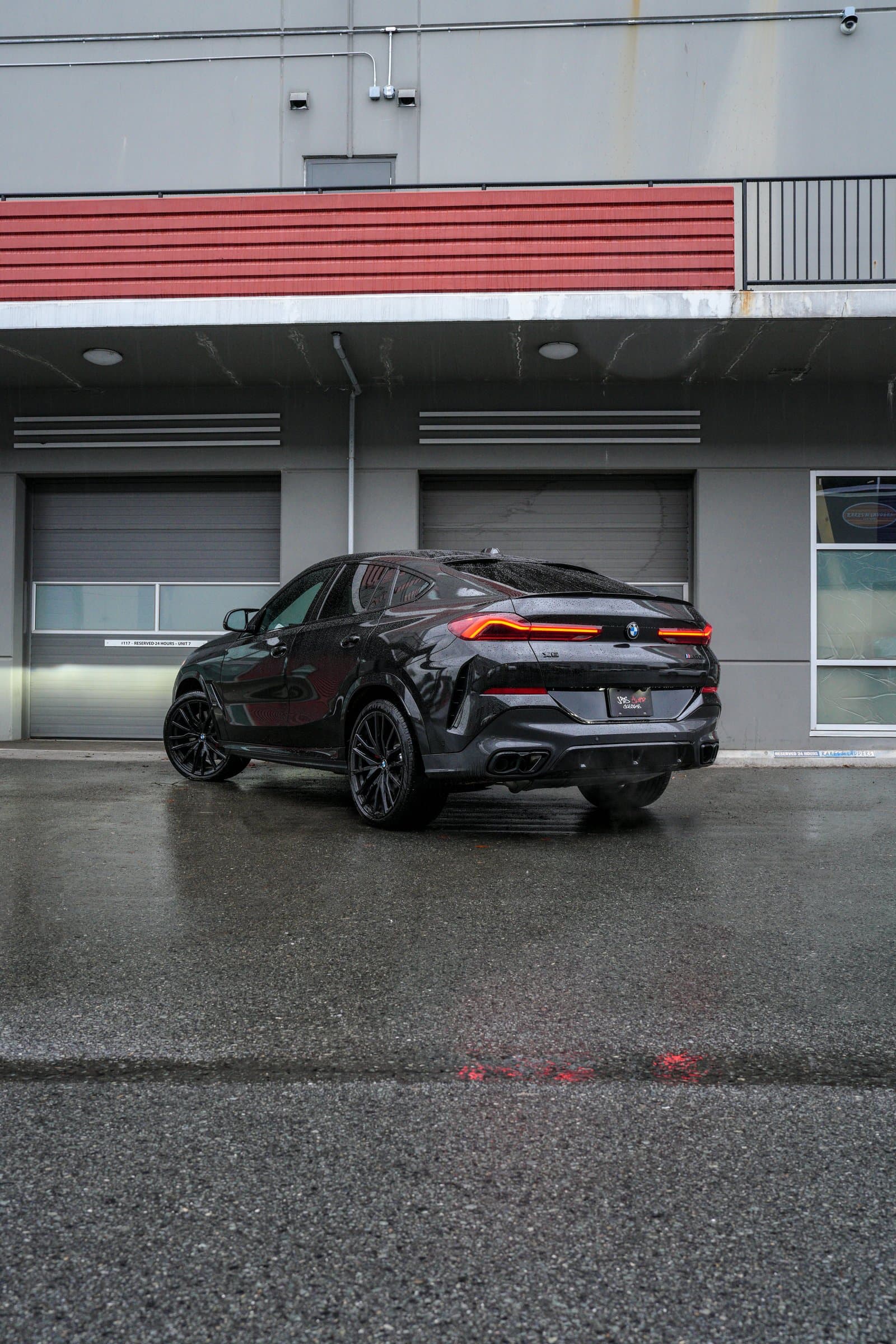
How to Avoid Swirl Marks on Your Dark-Coloured Car
Published
Dark-coloured cars look stunning when the paint is fresh — and conspicuously neglected when swirl marks accumulate in the clear coat. Swirl marks are fine circular scratches that catch light and give the paint a dull, spider-web appearance. They accumulate invisibly and become visible all at once when the light hits them right. Here is what causes them and how to prevent them on your Vancouver vehicle.
Why dark finishes show swirl marks more than light ones
Swirl marks occur on all paint finishes, but they are far more visible on dark colours. Light-coloured paints scatter and diffuse the light that hits their surface, which masks fine scratches. On black, dark grey, deep blue, or pearl finishes, light reflects directly off the surface and catches every fine scratch in the clear coat. This is why dark-finish owners tend to notice swirl marks earlier and more acutely than drivers of silver or white vehicles — not because they accumulate faster, but because the damage is more legible.
The most common causes of swirl marks during washing
The most common cause is washing with a contaminated or abrasive wash tool. Dirty wash mitts, towels that have been used on wheels or lower body panels, and sponges all carry grit that is pressed into the clear coat during washing. Every pass drags that contamination across the paint and creates fine scratches. The second most common cause is automatic car washes with spinning brushes. The brushes in most automatic washes accumulate contamination from every car they touch and develop a sandpaper-like quality that creates visible swirl damage on dark finishes within a few washes.
Other contributors include washing in direct sunlight (which causes soap to dry on the surface and creates water spot etching that compounds the scratches), using dish soap or household cleaners (which strip existing wax or coatings and leave a dried residue), and wiping the car dry with a dry or contaminated cloth without proper technique.
The correct wash method for dark finishes
The two-bucket method is the foundation. One bucket holds clean wash solution, the other holds clean water for rinsing your mitt. A grit guard at the base of each bucket prevents agitation of settled contamination back into the wash solution. Before you touch the car with the mitt, rinse the entire vehicle thoroughly to remove the bulk of loose contamination — never start washing with a dry surface.
Wash from the top of the car down. The roof and upper panels are the cleanest; the lower body and wheel area are the dirtiest. Work in straight lines rather than circles — circular motions tend to create the arc-shaped scratch pattern that gives swirl marks their name. Rinse the mitt thoroughly after every pass before reloading with wash solution. Any grit remaining in the mitt on the next pass is dragged across the paint.
When drying, use a clean, dedicated drying towel or a quality forced-air dryer. Do not drag a dry cloth across the paint. Pat or blot rather than wiping if using a towel. Clean the drying towel between uses and store it in a dust-free environment.
Winter washing and Vancouver road salt
Vancouver winter driving exposes your paint to additional abrasion risk. Salt and calcium chloride residue sits on the paint and acts as an abrasive. If you wipe a contaminated surface with a dry cloth or wash with an already-dirty mitt, you are grinding salt crystals into the clear coat. During winter months, rinse the car with plain water before any wash to remove salt residue — and ensure your wash mitt is freshly laundered before each winter wash. The combination of road salt and a contaminated mitt creates scratch patterns that are deeper and more noticeable than summer driving alone.
Prevention over correction
The most effective long-term protection against swirl marks is keeping contaminants off the paint surface before they can be worked in. Ceramic coating helps because it makes the surface more hydrophilic — water sheets off rather than beading, which means loose contamination is less likely to bond to the surface and more likely to rinse away. PPF protects the clear coat entirely by placing a replaceable film between the road and your factory paint.
Even without coating or PPF, the prevention method costs nothing extra: clean tools, proper technique, and consistent habits eliminate the most common sources of swirl damage and keep dark finishes looking their best between detail appointments.
JRS Auto Customs in Vancouver offers paint correction, ceramic coating, and PPF installation. Our team can advise on the right protection strategy for your vehicle and its colour. Start with a or consultation to discuss which protection option suits your vehicle and wash habits.
Related project: BMW X6 M60i — Metallic Black 3M Wrap