
Tire Maintenance in Vancouver: What Wheels Need Year-Round
Published
Why Vancouver's Roads Are Harder on Your Tires
Tire wear in Vancouver is shaped by conditions that don't exist in many other Canadian cities. The Marine West Coast climate means temperatures can swing by 15 to 20 degrees Celsius within a single week, particularly in spring and fall. That has a direct effect on tire pressure, which drops roughly 1 psi for every 8 degrees Celsius of cooling. Add to that more than 150 days of rain per year, roads that stay wet for weeks at a time, and the steep grades of the North Shore mountains where heavy braking is constant, and your tires are working harder here than the mileage alone would suggest.
Checking and Adjusting Tire Pressure for Vancouver's Seasons
Check your tire pressure at least once a month, and always before a longer drive on the highway or into the mountains. Use the psi figure listed on the sticker inside the driver's door frame rather than the number printed on the tire sidewall — the door sticker accounts for your specific vehicle weight and is the figure your manufacturer recommends. When temperatures drop significantly in October and November, check pressure again within a few days; it will likely have fallen since your last check in warmer weather.
Over-inflation is as dangerous as under-inflation. An over-inflated tire has a smaller contact patch with the road, reducing grip in wet conditions — a serious concern on Vancouver's rain-slick streets and highway onramps. If you inflate tires in a warm garage and then drive into cold weather, the pressure will drop further. Check when the tires are cold, before driving.
Rotation Schedules That Work for Vancouver Drivers
Rotate your tires every 8,000 to 10,000 kilometres, or roughly every other oil change on most vehicles. Front tires on a front-wheel-drive car wear faster because they carry the engine weight and handle the majority of steering and braking forces. On all-wheel-drive vehicles, uneven wear can affect the centre differential if the tire diameters drift apart due to mismatched wear — an expensive problem that is entirely preventable with regular rotations.
If you run winter tires in the colder months and all-season or summer tires the rest of the year, always rotate when you swap them over. The wear patterns in cold weather are different from warm weather, and a fresh set of winter tires that goes onto the same axle position it was on before will wear unevenly from the first kilometre.
Damage to Look For After Vancouver's Worst Roads
After a winter season or a long trip on Highway 1 through the Fraser Valley, inspect your tires visually. Potholes and frost heaves — common on Vancouver's back roads after a cold snap — can pinch the sidewall and cause internal damage that is not visible from the outside. A bulge or bubble on the sidewall means the internal structure has been compromised; do not drive on it. Cracks in the sidewall rubber, even shallow ones, are also a sign the tire is aging out and should be assessed by a professional.
Check tread depth with a 20-cent coin. Insert it into the tread groove with the bear's back facing you. If the bear is fully visible above the tread, you are at 5/32 of an inch or less — time to start shopping. In BC, winter tires are legally required on certain mountain routes and highway passes from October 1 to April 30, and the legal minimum tread depth for winter tires is 3.5mm. At JRS Auto Customs we check tread depth as part of any wheel installation or inspection appointment.
When to Replace and What to Consider for Vancouver
Most tires last four to five years before the rubber compound begins to harden, even if the tread looks adequate. In Vancouver's UV exposure — particularly on south-facing parking lots in summer — aging happens faster than in cooler, overcast climates. If your tires are older than six years, have them inspected regardless of tread depth. When replacement is needed, consider the type of driving you do. A performance summer tire is not appropriate for the North Shore grades in January, and an aggressive winter tire will wear prematurely on dry summer roads. For most Vancouver drivers, an all-season tire rated for winter use is the practical default, with a dedicated set of winter tires for the months when conditions demand it.
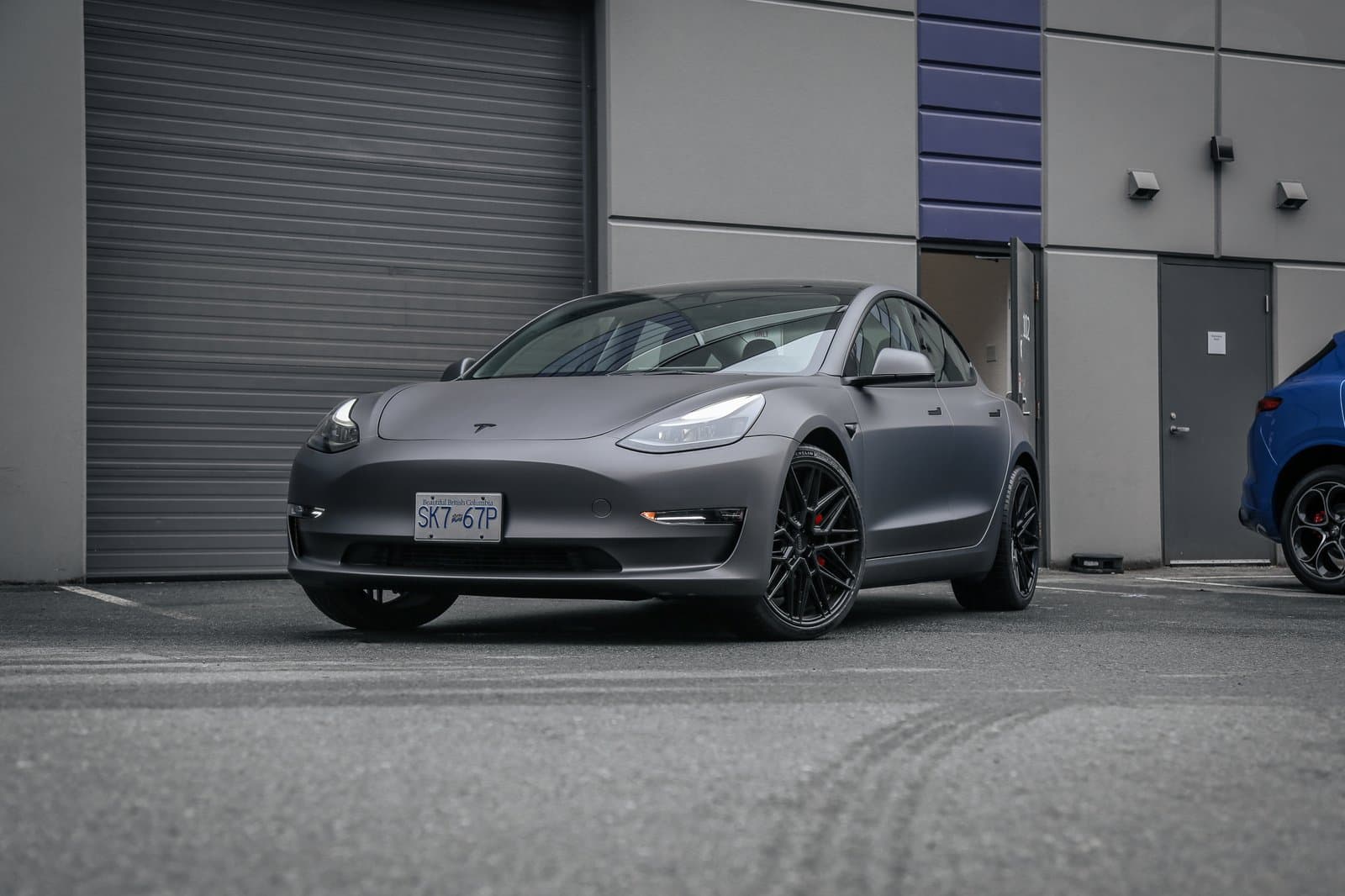
If you are upgrading to a custom wheel set — a popular move after buying a performance or luxury vehicle in Vancouver — browse our wheel and tire packages or take a look at our portfolio of recent wheel upgrades completed in Vancouver. We also carry a range of tire sizes and can mount and balance any wheel-and-tire combination you choose.