
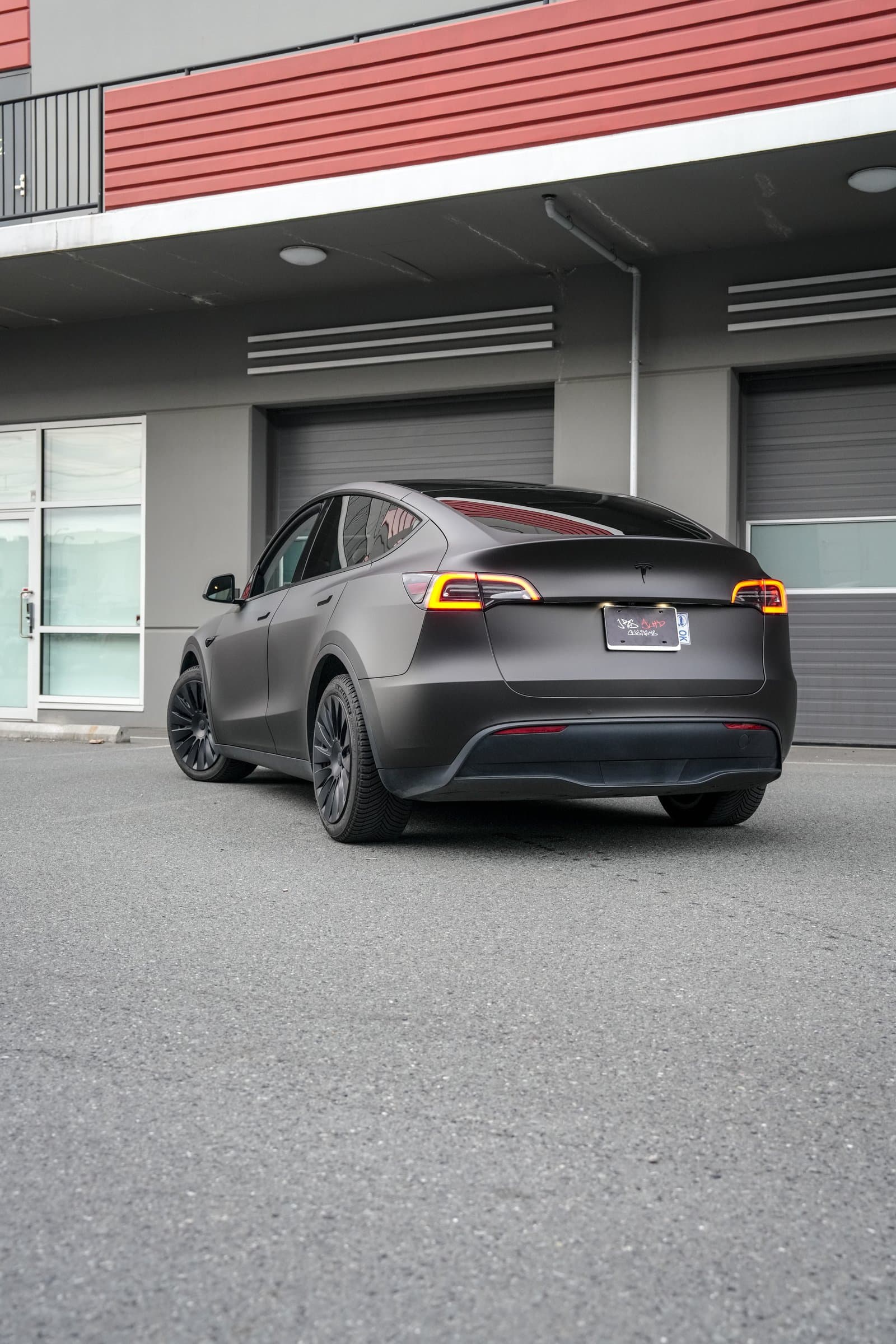
What to Know Before a Colour Change Wrap in Vancouver
Published
If you've been thinking about giving your car a whole new look, a colour change wrap might have crossed your mind. It's one of the most dramatic ways to transform a vehicle without repainting it — and in Vancouver's climate, it comes with some specific considerations worth knowing before you commit.
What a Colour Change Wrap Actually Is
A colour change wrap is a large-format vinyl or TPU film applied directly over your car's existing paint. The film comes in thousands of colours and finishes — gloss, matte, satin, metallic, and more — and when professionally installed it wraps around every panel with precision. Done right, it's nearly indistinguishable from a factory paint job from a few feet away.
TPU vs. PVC Vinyl: What's the Difference
Most colour change films fall into two categories: traditional PVC vinyl and TPU (thermoplastic polyurethane). PVC vinyl is what most people picture when they think of car wrap — it's been the standard for years and comes in a wide range of colours and finishes. TPU is a newer-generation film that is softer, more flexible, and more resistant to minor impacts.
For Vancouver drivers, the practical difference matters. Our roads throw gravel, our winters bring ice and salt, and our parkades have concrete pillars that love to catch side mirrors and door edges. TPU's slightly more forgiving surface can absorb light contact that would leave a mark on vinyl. Both are removable without damaging the paint underneath — assuming the paint was in good condition when the wrap was applied.
TPU also holds its colour better over time in direct sunlight, something to think about given those surprisingly bright summer afternoons we get on the South Coast.
The Installation Process: What Actually Happens
A professional colour change installation at JRS Auto Customs takes several days. Here's the real timeline, not the optimistic one.
Day 1 — Consultation and inspection: We examine every panel for chips, scratches, or imperfections. Any surface defects will show through the film. If the paint needs correction, we handle that first.
Days 2–4 — Installation: Each panel is prepped, the film is laid down, and edges are tucked and sealed. Complex curves and spoilers take longer. Full colour changes on sedans typically take less time than on SUVs or vehicles with aggressive bodylines.
Day 5 — Quality check: We inspect for bubbles, lifting edges, and alignment. The car stays one more day if anything needs reworking. You won't have your car for about a week. Plan accordingly.
Vancouver-Specific Factors to Consider
Coastal humidity and rain: High moisture during installation affects how the adhesive bonds. Professional installers control the environment for this reason — an experienced shop will manage this regardless of season.
Road salt and gravel: After your wrap is on, the Lower Mainland's winter road conditions still affect the film. Rinse salt off promptly. Small chips from gravel are a fact of life on our highways — TPU helps absorb them, but nothing is completely immune.
Parkades and tight parking: Vancouver parkades are notorious for tight columns and short sightlines. If you've had close calls before, consider a matte or satin finish — minor scuffs are harder to see than on high-gloss films.
How Long Does a Colour Change Last?
A professionally installed colour change wrap typically lasts three to five years in Vancouver conditions, sometimes longer if the car is garaged and well maintained. TPU films generally outlast PVC vinyl in our climate because they resist UV degradation and surface micro-cracking better.
Regular maintenance is straightforward: wash with a pH-neutral soap, avoid pressure washers aimed directly at edges, and inspect for any lifting corners after winter. A professional wrap shop can repair or replace individual panels without re-wrapping the whole car.
Is a Colour Change Right for You?
A colour change wrap works best when you love personalising your car, want to protect the underlying paint, and are comfortable with a non-permanent option. It's reversible — you can go back to the original colour before selling, or change again in a few years.
If you're planning to keep the car long-term and want the most durable protection available, a paint protection film (PPF) is worth considering as an alternative or complement. For purely aesthetic transformation, a colour change is the way to go. Either way, starting with a professional inspection is the right first step.
JRS Auto Customs has been installing colour changes in Vancouver since 2010. If you're considering a wrap, book a consultation and see the work in person at our shop on Terminal Avenue.
Related project: Tesla Model Y TPU Color Change to Gloss Black