
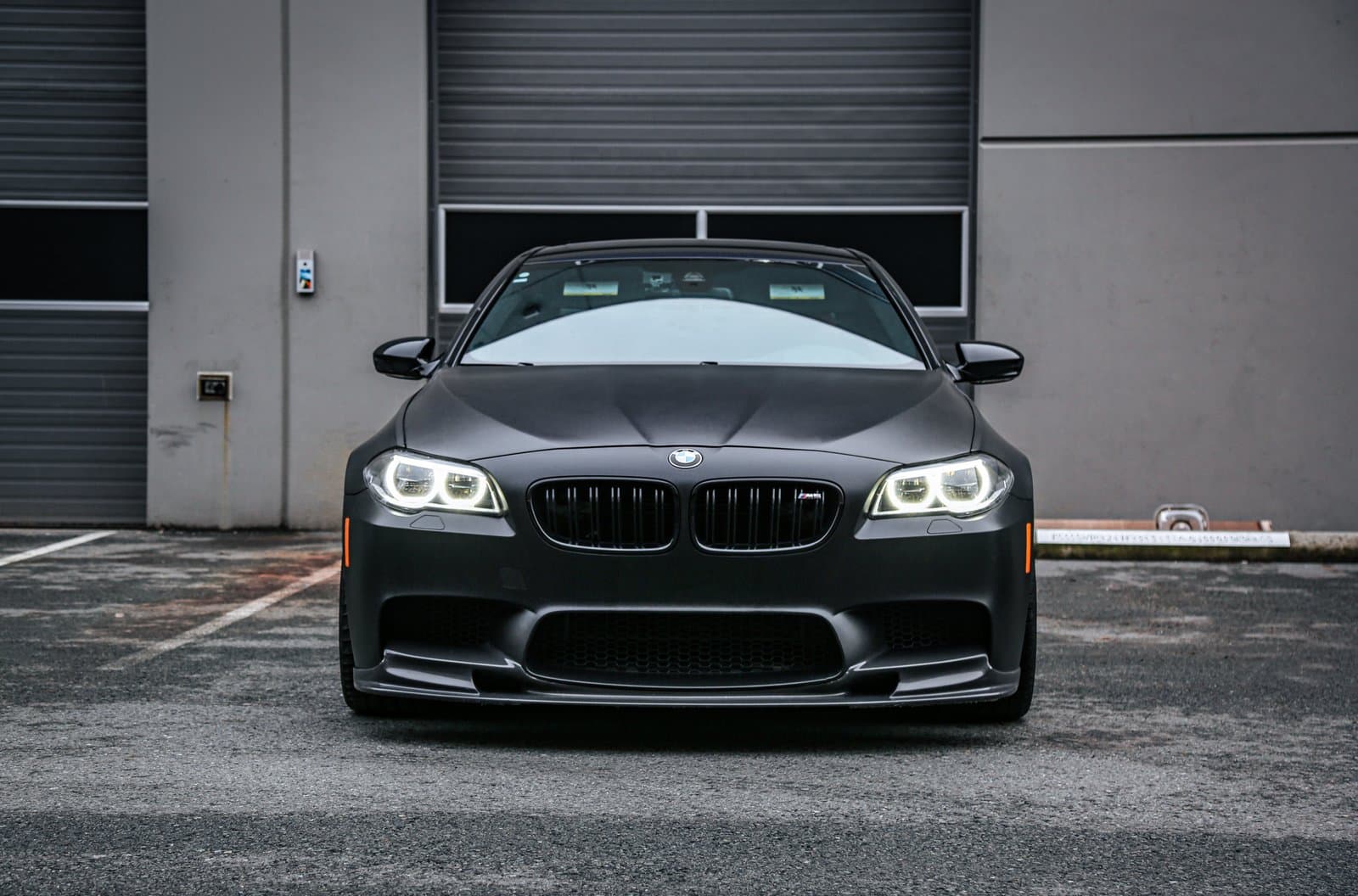
Vancouver Aero Modifications: A Practical Owner's Guide
Published
Most Vancouver drivers who modify their cars care about two things: how the car looks and how it drives. Aero and body modifications sit at the intersection of both. A well-chosen splitter can reduce front-end lift at speed. A functional rear wing can improve rear-end stability. And a full aero kit can completely change the proportions of a car in a way that turns heads regardless of the paint or wheels underneath. Here is what Vancouver owners should know before going in that direction.
Aero Mods That Actually Affect Performance
Before getting into aesthetics, it is worth understanding which modifications have a measurable effect on the way a car drives. The most common legitimate performance aero parts are:
Front splitters and canards — a flat extension mounted below the front bumper. At highway speeds, a splitter creates a low-pressure zone under the car that presses the front end toward the road. The effect is modest on a street car, but it reduces front-end lift measurably, which helps with steering response and stability in corners. A properly designed splitter is worth considering if you drive your car hard on mountain roads.
Rear wings and spoilers — a wing generates downforce by using airflow to push the rear of the car down, increasing rear tyre grip. A spoiler is less aggressive — it disrupts airflow at the rear to reduce lift and drag rather than generate active downforce. On a daily-driven car, a spoiler is often the more practical choice; a wing can add significant wind noise and aerodynamic drag that affects highway fuel economy.
Diffusers and underbody panels — redirecting airflow under the car to reduce turbulence and drag. Diffusers at the rear work best when the car already has a flat underbody, which most production cars do not have without additional panels.
Most of these parts make a real difference only above 100 km/h. If your driving is entirely urban, the performance benefit of aero parts is minimal — but the visual change is still significant.
The Aesthetic Case: Why Vancouver Drivers Install Aero Kits
For many owners, the visual transformation is the primary reason to install an aero kit. A front lip, side skirts, and a rear diffuser can make a car look substantially lower and wider without changing any mechanical component. That is a meaningful result for anyone who bought a base model and wants it to look closer to the performance variant.
The Vancouver car scene is active year-round — cruise nights in Richmond, shows at the PNE, meets along the North Shore. A well-executed aero build draws attention at those events, and the investment in a quality kit and professional installation shows in the finished result.
The key word is quality. A poorly fitted aero kit — gaps at the edges, mismatched curves, hardware that vibrates loose over time — is worse than nothing. The cost of a kit and installation is only part of the investment; fit and finish determine whether the result looks deliberate or like an afterthought.
Vancouver Climate: How Aero Parts Hold Up
Aero parts face specific challenges in Vancouver that they do not face in drier climates.
Road salt is the main concern for any exterior modification. The adhesive and fixings on a front lip sitting close to the road are exposed to constant salt spray in winter. Over several seasons, salt can corrode aluminium mounting brackets, degrade rubber seals, and weaken the bond between adhesive tape and the body panel. Parts mounted with double-sided tape are most vulnerable — mechanical fasteners with corrosion-resistant hardware are a better choice for a Vancouver daily driver.
Moisture behind panels is another risk. If a side skirt or lip is installed with gaps that allow water to sit behind it, the body panel underneath will corrode over time. Professional installation includes sealing the edges and checking for water trapping — this is not a job to rush.
UV exposure is less of an issue for ABS plastic and carbon fibre than for rubber seals and adhesive, but prolonged sun exposure will eventually cause matte-finish aero parts to fade slightly. Parking in shade or a garage extends the life of any exterior modification.
We install aero kits and body modifications at our Vancouver shop. See our performance and aero services for current options and to discuss what fits your car.
Insurance, Inspection, and What to Watch Out For
In British Columbia, vehicle modifications that alter the original structure or dimensions of the vehicle must be declared to your insurer. An aero kit that extends the overall length or width of the vehicle beyond factory specifications — or one that significantly changes the aerodynamic profile — should be disclosed. Failure to declare modifications can result in a denied claim after an accident.
For inspection purposes, aero modifications are generally acceptable provided they do not obstruct the driver view, interfere with lighting, or create a safety hazard for pedestrians. A splitter that sits more than a few centimetres below the bumper on a vehicle used for regular driving can be problematic at drive-through inspections or parking structures.
If you are financing or leasing the car, check your contract before installing permanent modifications. A leased vehicle must be returned to its original condition at the end of the term, and the cost of removing a full aero kit, repairing adhesive damage, and repainting can be substantial.
Related project: BMW M5 — 3DDesign Kit and Akrapovic Exhaust