
What Happens to Your Car at the Airport Lot
Published
A week in the YVR long-stay lot is not the same as parking on your street overnight. In the short term, a car sits safely. Over a week or more, several systems start to degrade — and at Vancouver International Airport's lot, where cars sit through rain, temperature swings, and cold snaps, the timeline accelerates. Here is what to do before you leave and what to check when you return.
Battery — the Critical First Step
A car parked at YVR for a week will likely start fine when you return. For two weeks, it depends on the battery condition and the temperature range during your trip. For three weeks or more in cold or damp weather, a battery that was already marginal will likely not start without a boost.
If you are leaving for more than two weeks, the best protection is a battery maintainer connected to a timed outlet — but that is not practical at an airport lot. The second option is a portable jump starter stored in the car, so that a flat battery on return is a five-minute problem rather than a forty-minute roadside assistance call. The third option is to arrange for a trusted person to start the car and run it for twenty minutes every ten days or so.
If you are leaving the car for more than a month, it is worth having the battery tested before you go. A battery at the end of its service life will fail much faster than a healthy one, and a CAA call at the airport lot on a Sunday evening is an avoidable problem.
Tyre Condition and Pressure
Tyres lose pressure over time — typically around 1-2 PSI per month from diffusion alone, and more if there is a slow leak. In cold weather, pressure drops further. At YVR's lot in November or December, a tyre that was correctly inflated in September may be notably under-inflated by January. Under-inflated tyres wear faster and generate more heat, which on a drive home from the airport after a long trip is a manageable issue if you notice it and stop to check — but a tyre that is significantly low on a motorway merge is dangerous.
Before leaving, inflate tyres to the door sticker pressure — not the sidewall maximum — and check for any slow leak by noting the pressure before and after parking. A tyre that loses more than 3 PSI in a week has a leak worth addressing before a long airport park. Also check the spare tyre if your car has one.
Paint and Glass Protection
Bird droppings, tree sap, and industrial fallout from aircraft activity accumulate on the paint while the car sits. The longer the car sits, the more time these contaminants have to bond to the clear coat. In Vancouver's winter, freezing overnight temperatures followed by a sunny afternoon create a freeze-thaw cycle that can push contaminants deeper into the clear coat. Within a week or two this is cosmetic. Beyond three weeks, it becomes a paint protection issue.
If you are parking for more than two weeks, a coat of wax or sealant applied before you leave adds a hydrophobic barrier that makes contaminant removal significantly easier when you return. A car that was detailed and waxed before parking will wash clean far more easily than a car that was not. Ceramic coating or PPF on the car means the paint surface is already protected and the concern is lower — though bird droppings should still be removed within days rather than weeks if possible.
Condensation inside the cabin is the other issue — particularly in cars with a sunroof. In Vancouver's cool airport parking structure, interior glass surfaces can fog significantly. On return, give the windscreen and rear glass a wipe with a dry microfibre cloth to restore visibility before driving. Leaving the car in a covered parkade rather than outdoor parking at YVR significantly reduces the condensation and contaminant exposure.
Wildlife and Unintended Visitors
Rats, squirrels, and birds are attracted to parked vehicles in airport lots — the engine bay warmth, the rubber and wiring, and the shelter of a parked car make it an appealing nesting site. Rodents chewing through wiring or air intake hoses is an expensive and avoidable problem. Removing food items from the cabin and engine bay before a long park, and checking the engine bay on return before starting the engine, are simple precautions. Birds nesting under wiper arms can also cause blockages in the scuttle drain — worth checking on return.
Check When You Return
See our maintenance services for pre-trip vehicle checks. Before a long airport park, come by and we can pressure-check tyres, test the battery, and apply a wax or sealant coat. A thirty-minute visit before you leave means coming home to a car that needs minimal attention rather than a list of problems. Book a maintenance appointment before your travel date and we will have the car sorted before you leave.
On return, check tyre pressures before driving far. Check the windscreen for cracks that may have appeared from thermal stress. Start the engine and let it idle for thirty seconds before pulling out — this gives the oil pressure time to build and the turbo (if your car has one) to normalise. Then drive gently for the first few kilometres to let everything come up to temperature before pushing the car hard.
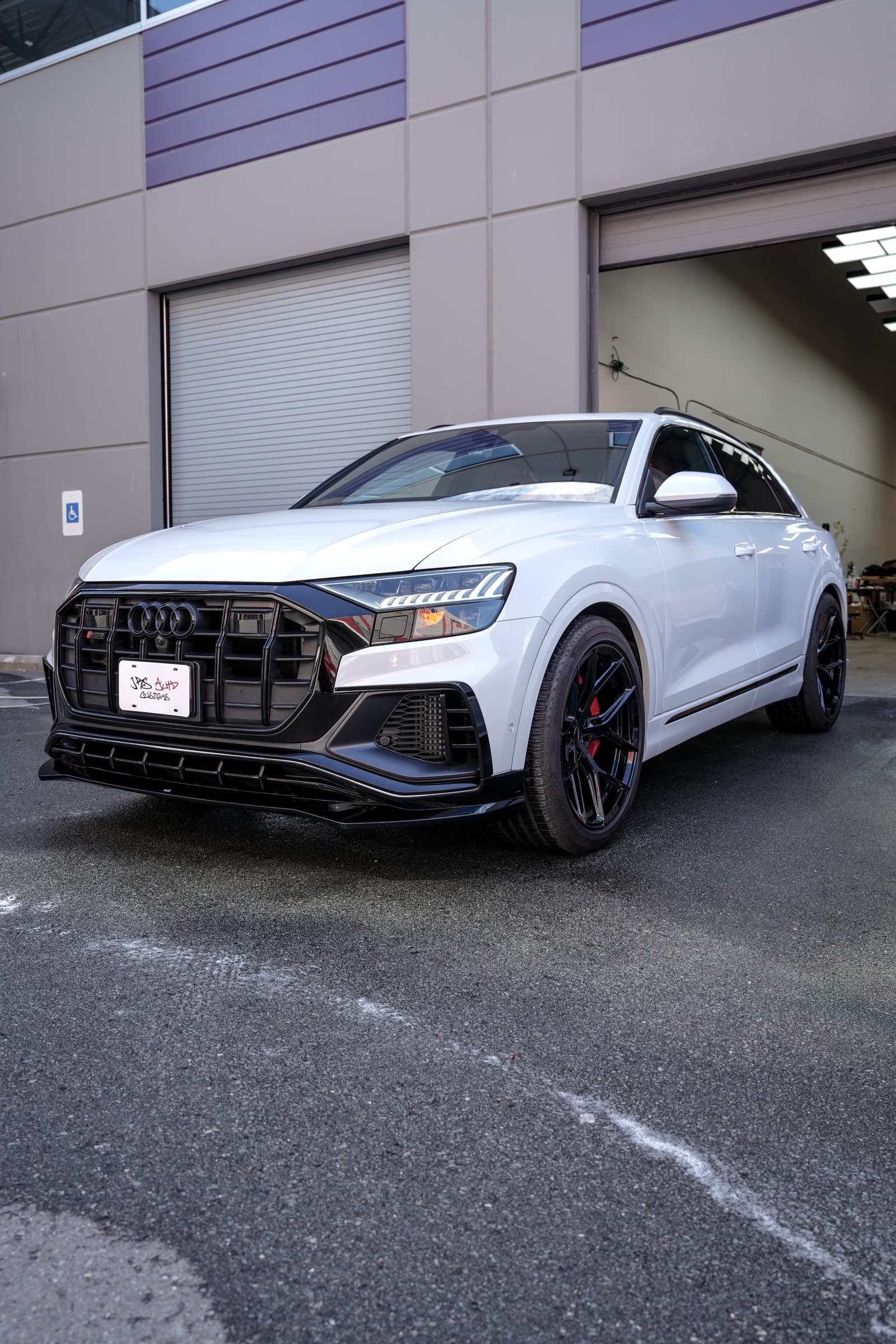
Related project: Audi SQ8 ABT Body Kit & Vossen HF5 Wheels