
Vancouver Climate and Your Car Interior
Published
Car interiors in Vancouver face a combination of conditions that are harder on cabin materials than owners often realise. The coastal humidity that defines the city year-round, the intense summer UV that the Lower Mainland gets more of than most of Canada, and the salt and moisture of winter all work on different materials in different ways. This is not about keeping the car clean — it is about understanding what the local climate specifically does to leather, plastics, rubber seals, and electronics inside the vehicle.
Moisture, Mould, and Damp Carpets
The most common interior problem in Vancouver is moisture that does not fully dry. Carpets and floor mats that stay damp — from wet footwear, condensation inside the doors, or a leak around the sunroof seals — develop mildew and eventually mould if left untreated. In severe cases the damp spreads to the sound deadening material under the carpet, which is difficult to fully dry without professional equipment. Drivers who commute in rain regularly, or who park outdoors through the winter, will recognise the characteristic damp-carpet smell in the morning.
The solution is not just an air freshener. Professional interior extraction and drying addresses the damp in the carpet backing and underlay, not just the surface. All-weather floor mats are useful for managing wet footwear — remove them regularly, dry them out, and avoid trapping moisture between the mat and the carpet. Sunroofs are a common source of slow leaks that accumulate inside the door panels over time without the owner noticing until the smell appears.
UV and the Dashboard
Vancouver gets significantly more sunshine than most people assume — the southern BC coast is sunnier than Toronto for much of the year. Dashboard plastics and leather steering wheels sitting in direct sunlight through the summer months will fade, crack, and harden over time. The dashboard is particularly vulnerable: direct sun heats the surface to temperatures that accelerate outgassing from the plastic, which then recondenses on the inside of the windscreen as a film.
Using a windscreen sun shade is one of the simplest preventive measures. Conditioning dashboard plastics with a UV-rated protectant slows the fading and cracking process. For leather steering wheels specifically, conditioning every few months helps maintain flexibility in the material and reduces the cracking that eventually makes the surface feel rough under the hands.
Leather Care in a Humid Climate
Vancouver is not as hot as interior BC in summer, but the combination of heat and persistent humidity inside a closed car can be harder on leather than dry heat alone. Leather absorbs moisture from humid air, which can lead to surface mould on poorly maintained seats. Regular cleaning and conditioning keeps the leather pores open and prevents the surface dryness that leads to cracking. Seats in vehicles parked outdoors through summer will always require more frequent conditioning than those kept in a garage.
The leather on the driver seat bolsters — the side sections that take the most contact — tends to wear first. Perforated leather seats also require attention to the underlying foam, which can compress and harden if the perforations allow moisture to reach it over years of use.
Rubber Seals and Door Cards
Door seals, sunroof seals, and boot seals are all made from rubber compounds that degrade over time. In Vancouver, the freeze-thaw cycles of winter — even mild ones — cause the rubber to contract and expand in ways that accelerate cracking and hardening. UV in summer does the same. Conditioning rubber seals with a silicone-based protectant each spring and autumn extends their life and maintains the weather stripping effectiveness that keeps moisture out of the door panels. Sticking or noisy door seals are an early sign that the rubber needs conditioning.
Electronics, Screens, and Humidity
Modern vehicle screens and electronics are sensitive to temperature extremes and moisture. A car that sits in direct summer sun with the windscreen reflecting additional heat onto the screen is working its electronics hard. Similarly, the condensation that forms inside the car on cold mornings — particularly when the car was last driven with the windows open or a door left slightly ajar — can find its way into screen bezels and instrument cluster seams over time.
Preventive steps are straightforward: use the windscreen shade, air the car out periodically even in cooler weather, and address any moisture smell before it has a chance to spread to the insulation and electronics.
When to Call in Professional Interior Care
Regular vacuuming and surface wipe-downs handle the day-to-day. But once mould has developed in the carpet underlay, or leather has begun cracking, or the rubber seals have hardened past a certain point, the condition is difficult to reverse without professional products and equipment. A professional interior detail is the step between basic maintenance and interior replacement — significantly cheaper than replacing worn leather or electronic components, and more thorough than any consumer-grade product can achieve.
For a thorough clean and conditioning of the full interior — carpets, leather, rubber seals, and screens — the team at JRS Auto Customs can walk through what the cabin needs and provide an honest assessment of the condition before recommending anything specific.
A vehicle interior that is well maintained and regularly cleaned holds its value better at trade-in or resale. If you are planning to protect the interior before a major trip or seasonal transition, a full interior detail is often the right starting point before considering additional protection measures.
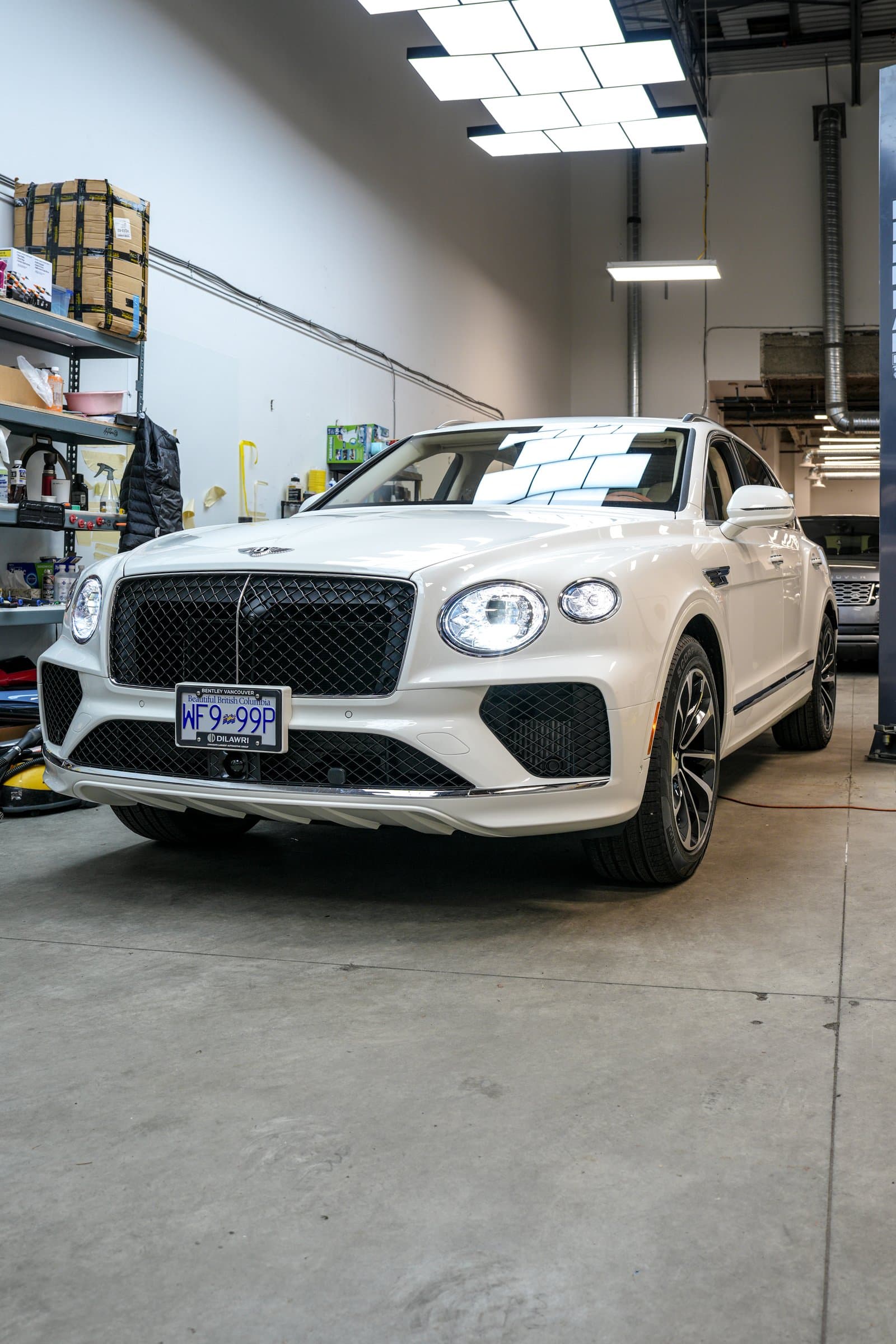
Related project: Bentley Bentayga — Full Clear PPF