
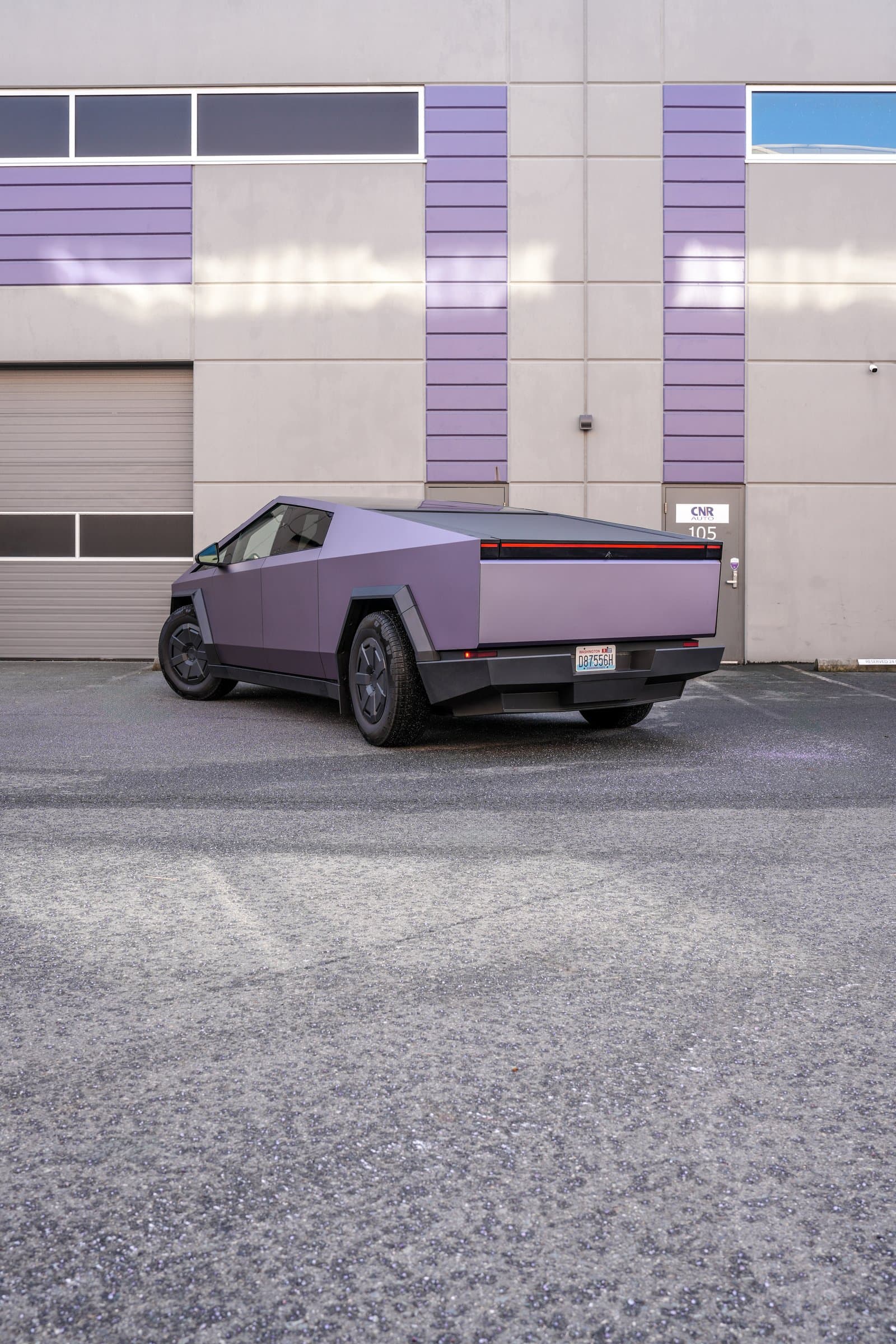
Color Change Wrap vs. Repaint: Vancouver Guide
Published
You've been thinking about it for months. That colour you keep seeing on other cars. That look that would make your daily commute feel a little less ordinary. But now you're trying to figure out the actual path — and that's where it gets complicated. Two shop signs, two different processes, two very different outcomes.
At JRS Auto Customs in Vancouver, we do both. We've colour-changed hundreds of cars with vinyl wraps, and we've sent plenty to our body-work partners for respray. The honest answer about which one is right depends entirely on what you actually want — not what the internet says you should want. Here's the breakdown, no fluff.
What a Colour Change Wrap Actually Is
A colour change wrap is a large sheet of high-grade vinyl — cast or polymer — applied directly over your car's existing paint. A skilled installer heats the material, stretches it carefully around body lines, edges, and recesses, and bonds it flat against the factory finish. The result looks like a different paint colour from a distance, and up close most people can't tell it's vinyl.
Installation at a professional shop like ours typically takes one to two days for a full wrap. The car doesn't need to be stripped down or repainted — it goes in one colour and comes out another. If the wrap is removed properly by a trained technician, the original paint underneath is generally fine. That's a key distinction worth knowing.
What a Full Respray Involves
A respray is fundamentally different. The car is stripped of any trim and mouldings, primed, base-coated in your chosen colour, then clear-coated and baked in a spray booth. Done properly, it produces a finish that bonds directly to the metal or plastic substrate. It is, by definition, permanent — for better or worse.
A quality respray on a vehicle that needs full panel prep runs several weeks minimum. A rushed job — or one done in less-than-ideal conditions — will show its problems within a year or two. Prep is everything, and in Vancouver's damp climate, prep done badly is a genuine risk.
How They Actually Compare
Here is how the two options stack up on the factors that matter most to Vancouver car owners:
Cost: A full wrap from a reputable shop typically runs a few thousand dollars depending on vehicle size. A proper respray starts considerably higher and climbs quickly with panel count and paint quality — premium single-stage or tri-coat finishes can get expensive fast.
Durability in Vancouver conditions: Wraps hold up well to rain and UV — our climate isn't a special problem for modern cast vinyl. Edge longevity is the main variable; edges near wheel arches and lower panels take the most abuse from road salt and gravel. A professional installation with proper edge-sealing makes a real difference here. A respray, done well, is permanent. Done poorly in our climate, it can accelerate rust if moisture got under the paint during prep.
Maintenance: Wraps wash just like normal paint — contact wash with a pH-neutral shampoo, nothing abrasive. Resprayed cars care for like factory paint: occasional wax or sealant application keeps them looking fresh.
Time: Wrap removal or a fresh wrap takes one to two days. A respray takes weeks — the car is off the road and the process cannot be shortcut without consequences.
Resale and leasing: Wraps are very much the resale-friendly option. If you lease, most lease agreements require the car returned to its original colour — a wrap makes that trivial. If you're selling privately, the original paint is preserved under the wrap, which buyers often view favourably. A respray changes the car permanently; some buyers will want documentation, and not all will share your colour taste.
Which One Is Actually Right for You
Both options can produce an outstanding result. Neither is universally better. The honest framework we use with customers is this:
Choose a wrap if you lease the vehicle, want to change colours again in a few years, want the transformation quickly, want to protect the original paint for resale, or are considering a colour or finish — matte, satin, chrome, colour-shift — that would be extremely expensive or impractical as paint.
Choose a respray if you own the car outright, plan to keep it for many years, want a permanent finish, have existing paint damage that needs correcting anyway, or are after a specific paint formula — factory-match colour, heritage colour, custom mix — that only paint can deliver.
One more thing worth knowing: a colour change wrap and a ceramic coating are not mutually exclusive. Many customers have us apply ceramic coating over the wrap once it's settled — it adds a gloss layer, helps the vinyl last longer, and makes the surface easier to clean. That's a conversation worth having at the time of your wrap install.
Come See the Difference in Person
JRS Auto Customs has completed colour change projects across a wide range of makes and models — from daily drivers to performance vehicles. If you are in Vancouver and trying to decide between a wrap and a respray, the best next step is to talk to someone who does both. Bring your car, talk through the options, and get a clear picture of what each process involves for your specific vehicle.
You can book a colour change consultation through our website or give us a call to discuss what you have in mind.
Related project: Tesla Cybertruck — Capri Grey Purple TPU Color Change