
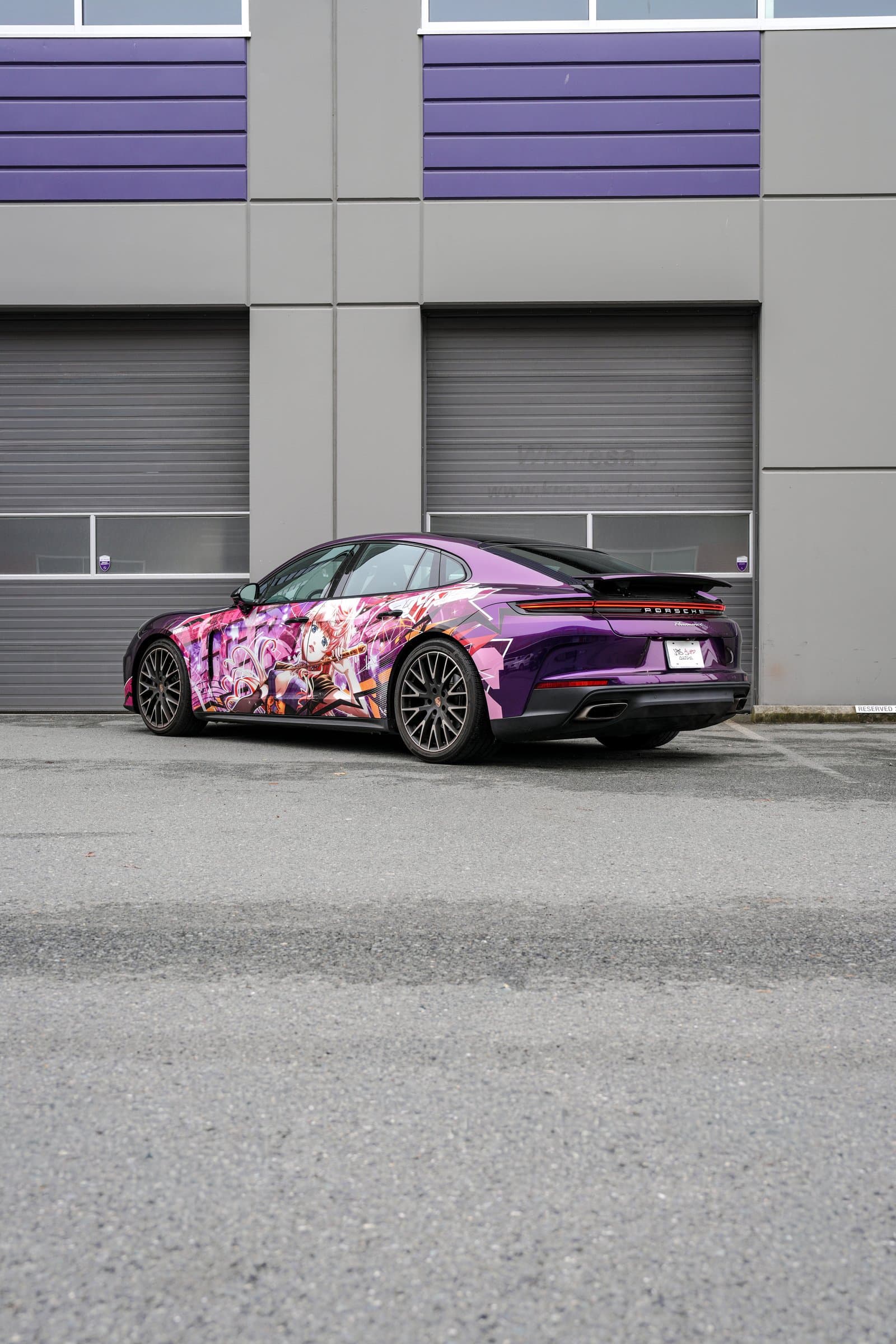
Colour Change Wrap Care Through Vancouver's Seasons
Published
A colour change wrap is an investment — not just in how your car looks, but in how well it is protected. Most people spend time choosing the right colour and finish, but the more important question is what happens to that wrap over the months and years after installation. In Vancouver's climate, the answer to that question is more complex than in drier cities. This guide covers what to expect from your wrap across the seasons and what maintenance actually makes a difference.
The First Month: What Happens After Installation
The first 30 days after a colour change wrap installation are the most critical period for the long-term outcome. The adhesive needs time to fully cure — during this period, the wrap is more vulnerable to lifting at the edges, especially around badges, trim pieces, and panel joins where the film has been stretched or tucked.
Avoid automated car washes for at least the first four weeks. High-pressure water and mechanical brushes can lift freshly-bonded edges before the adhesive has fully set. Hand washing with a two-bucket method and a pH-neutral car shampoo is the only safe option during the cure period.
Also during the first month, avoid parking in direct sunlight for extended periods if possible. UV exposure during the cure period can accelerate edge lifting on film that has not yet fully bonded. This is particularly relevant in summer, when Vancouver gets genuinely strong sunshine — more intense than most people expect for a coastal city.
Vancouver Winter and Your Colour Change Wrap
Winter is the season that causes the most concern for wrapped vehicles, and some of that concern is warranted. Road salt, gravel, and de-icing chemicals are all present on Lower Mainland roads from roughly October onwards, and they are damaging to both the vinyl film and the adhesive underneath it.
The good news is that modern colour change films — particularly TPU (thermoplastic polyurethane) films — are significantly more resistant to chemical exposure than older PVC materials. TPU films do not become brittle in cold temperatures the way PVC does, and they resist salt and chemical damage much better. If your vehicle has a TPU colour change wrap, the winter exposure risk is considerably lower than it used to be with older materials.
The areas most at risk in winter are the leading edges: the front bumper, the hood, and the front of the roof. These take the direct spray from road grit and salt. If the wrap was installed with correct edge-tucking technique and the adhesive has fully cured, these edges should hold — but they are worth checking after your first serious winter storm.
Washing a Wrapped Car in Vancouver
Washing frequency matters more for wrapped vehicles than for factory paint, because contamination sitting on the film surface for extended periods can accelerate degradation. In the wet months — roughly November through March in Vancouver — a wrapped car that is parked outside will accumulate road film, salt residue, and organic contamination (tree sap, bird droppings, pollen) continuously.
The practical minimum is a thorough hand wash every two weeks during the wet season. In summer, monthly washing is usually sufficient. After washing, a spray sealant designed for vinyl or PPF will extend the life of the film's surface and maintain the gloss. Do not use wax products designed for factory paint on a vinyl wrap — some compounds can cause swelling or discolouration in the film.
One common mistake is using a pressure washer too close to the film edges. Keep the wand at least 30 cm from the surface and use a wide fan tip. Pressure washing directly at edges is one of the most common causes of premature edge lifting.
When a Wrap Needs Professional Attention
Most minor issues with a colour change wrap — small lifts at corners, edges starting to peel — can be repaired without re-wrapping the whole panel. A professional installer can re-tuck and re-bond the lifted section in most cases, particularly if the damage is caught early.
The main reason wraps need full replacement rather than repair is UV exposure over time. A wrap that has been through several Vancouver summers without protection will eventually show fading or discolouration, particularly on horizontal surfaces like the hood and roof. This is a material degradation issue, not a maintenance issue — and it is preventable with regular washing and a UV-protectant sealant.
If your wrap has lifted edges or needs a refresh, get in touch with JRS Auto Customs — we handle wrap repairs and full re-wraps.
Protecting Your Wrap for the Long Term
A ceramic coating applied over a colour change wrap — particularly a TPU wrap — adds a significant layer of protection. The coating bonds to the film surface, making it more hydrophobic, more resistant to UV exposure, and easier to clean. It does not replace washing, but it reduces the frequency of washing needed to keep the wrap in good condition.
For wraps that are driven year-round in Vancouver, a coating over the wrap is one of the best investments you can make. It extends the effective life of the film, maintains the colour depth, and makes the car easier to look after through the wet season.
If a coating over the wrap is not in your plans, a dedicated wrap sealant spray applied quarterly is the practical alternative. The key is consistency — a wrap that is maintained regularly will last significantly longer than one that is neglected through the winter and then washed aggressively in spring.
JRS Auto Customs in North Vancouver offers ceramic coating over wrap installations. If you are considering protecting your colour change wrap, book a consultation and we will explain what makes sense for your specific film and driving patterns.
Related project: Porsche Panamera Purple Itasha Anime Wrap