
How Often Should You Detail Your Car in Vancouver
Published
There is no universally correct interval for auto detailing. The right frequency depends on where you park, how you drive, what protection you have on the car, and what standard of appearance you hold yourself to. In Vancouver, climate adds an extra variable that makes the usual advice from other cities less reliable. Here is how to work out what your car actually needs.
What Vancouver's Climate Does to Your Detailing Interval
Vancouver's combination of rain, coastal humidity, road salt, and tree debris means that exterior contamination builds up faster than in drier cities. In Toronto or Calgary, a monthly wash might keep a car presentable through the winter. In Vancouver, that same car washed monthly will show visible road film by the end of February. The moisture also keeps environmental contamination active — biological deposits from birds and trees do not dry out and become inert the way they do in drier climates.
Interior care is similarly affected. Vancouver's rainy season brings wet shoes, rain gear, and condensation inside the cabin. A car that accumulates dampness inside through November will develop mould in the cabin filter and smell musty if the interior is not dried and ventilated periodically through the wet season.
Seasonal Detailing Patterns for Vancouver
The most common and practical pattern for Vancouver owners is a seasonal approach: a thorough detail in early spring to address winter's accumulated salt, road film, and interior dampness, and another in early autumn to prepare the car before the wet season begins.
Between those seasonal details, maintenance washes every two to three weeks keep contamination from building up to damaging levels. A wash every two weeks in the winter months — when road salt is present — is more important than frequency during the drier summer months.
Spring is the right time for a full exterior decontamination — iron remover, clay bar, and a surface assessment to determine whether paint correction is needed before the next protection layer is applied. Autumn is the right time to assess the condition of existing ceramic coating or PPF and restore the hydrophobic surface before the worst of the winter weather arrives.
What Changes the Interval
A car with ceramic coating needs less frequent exterior care than an uncoated car. The hydrophobic surface means contaminants bond less strongly, and washing removes them more easily. The hydrophobic effect fades over time — typically over six to twelve months depending on the coating — which is one reason annual inspections of the coating condition are useful.
PPF reduces the frequency of exterior care significantly because it is chemically resistant to the contaminants that bond to raw paint. PPF still needs washing, but the洗车is more straightforward and less time-sensitive than on an uncoated car.
Parking environment makes a significant difference. A car in covered or garage parking accumulates exterior contamination at roughly half the rate of a car parked on the street. Interior care is less affected by parking type — a garage does not prevent wet shoes and condensation — but it does reduce the exterior wash requirement.
Signs Your Car Needs Attention Before Its Scheduled Detail
For exterior condition: if water no longer beads actively on the paint surface after washing, the hydrophobic protection has depleted and the surface is more vulnerable to contamination bonding. If road film is visible immediately after washing, contamination is bonding faster than the current wash frequency can manage.
For interior condition: a persistent musty smell from the cabin vents even after airing the car, visible mould at the edges of the floor mats, or a persistently foggy windscreen despite the defrost setting are all signs that the cabin has accumulated moisture and contamination beyond the scope of a regular clean. These typically develop through late autumn and peak in early spring.
We assess the condition of the exterior and interior on every vehicle that comes in, and we will tell you if the car needs more frequent care than your current schedule provides. For regular clients, we track the condition of each vehicle over time and advise when the seasonal interval needs to change.See our maintenance detailing services.
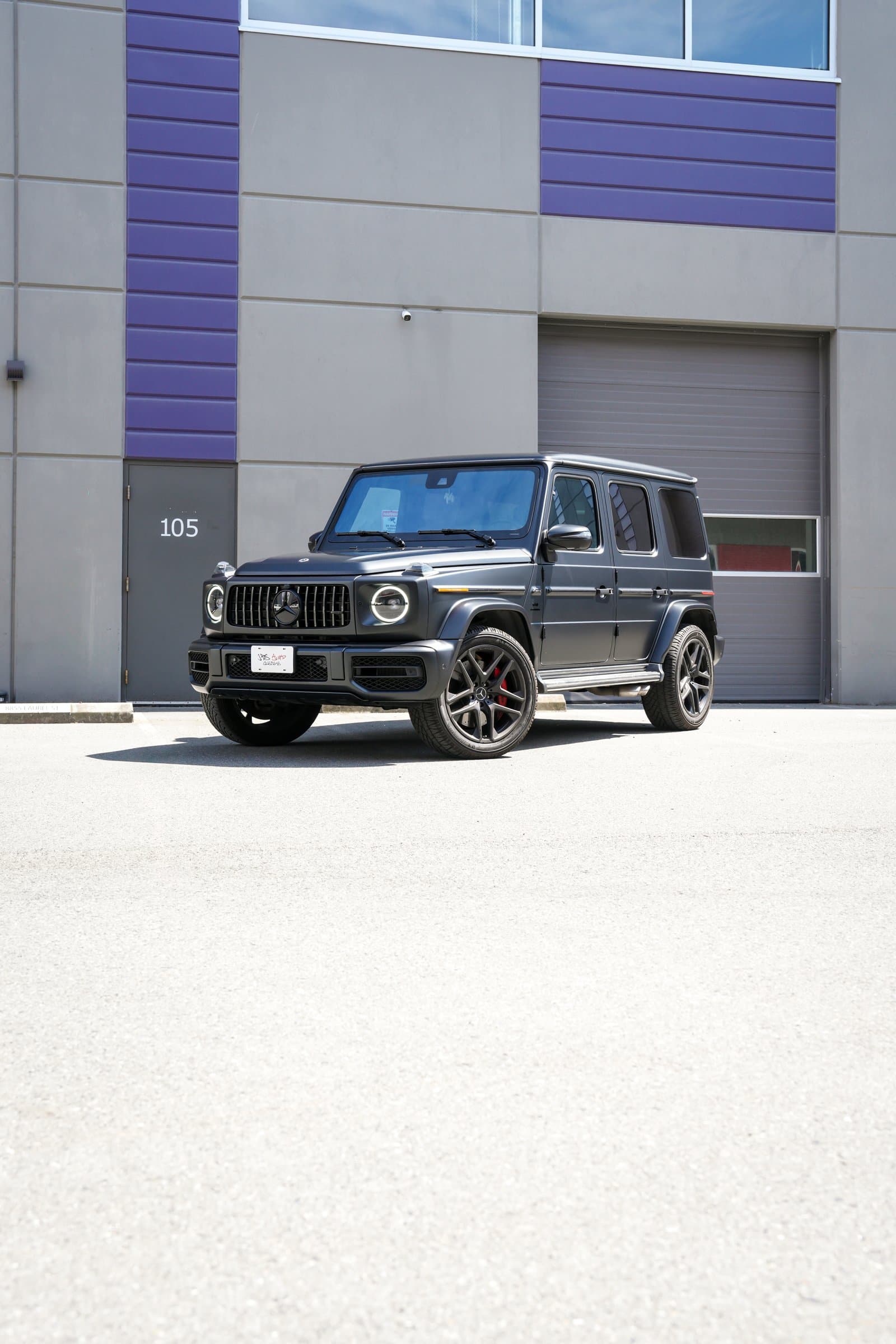
Related project: Mercedes-AMG G63 Frozen Black Matte PPF